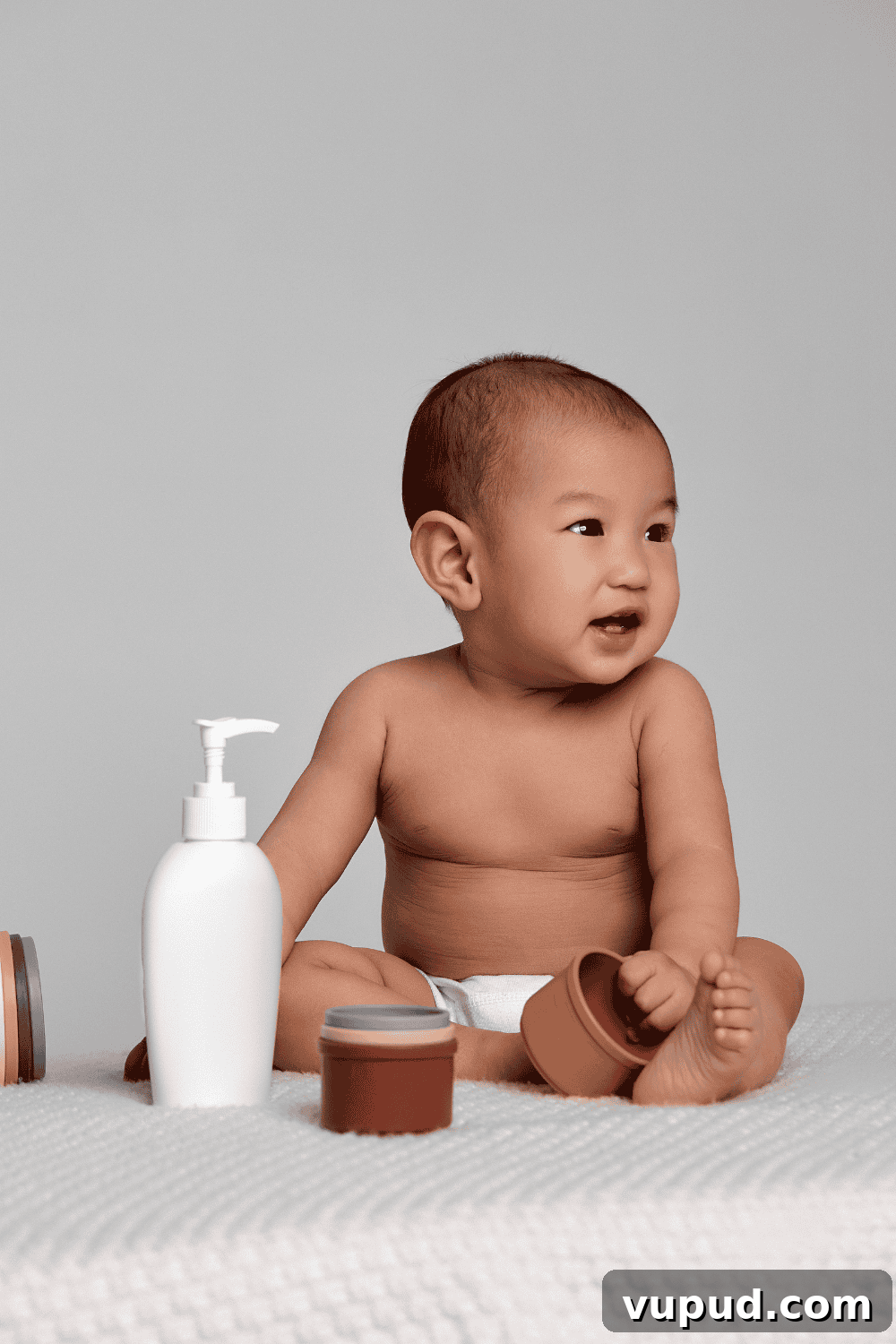
A recent study published in Environmental Health Perspectives found that children who used certain personal care products had significantly higher levels of phthalates detected in their urine.
Phthalates are concerning because they can interfere with hormonal systems and may affect brain development, behavior, and the timing of puberty.
Key Findings from Recent Research
Multiple studies have linked personal care products to exposure to endocrine-disrupting chemicals (EDCs) such as phthalates. Evidence continues to grow showing that everyday items—soaps, lotions, hair oils, and conditioners—can expose children to EDCs during sensitive developmental windows.
One common reason phthalates are added to personal care products is to prolong or stabilize fragrance.
Because phthalates are often part of fragrance blends, they may not be listed individually on ingredient labels and can appear only as “fragrance” or “parfum.”
Major findings from recent research include:
- Higher phthalate levels linked to product use: In a study of 630 children aged 4–8, recent use of personal care products such as lotions and oils was associated with increased phthalate metabolites in urine. For example, lotion use corresponded with a 1.17-fold rise in mono-benzyl phthalate, while oils were associated with larger increases in monoethyl phthalate (MEP) and monobutyl phthalate (MBP).
- Differences across racial and ethnic groups: Exposure levels varied by race and ethnicity. Hispanic, Asian, and Pacific Islander children who used hair oils had higher phthalate levels compared with white and Black peers. Overall, Black children in the study tended to have the highest phthalate concentrations in urine.
How Can Phthalates Affect Health?
Phthalates are classified as endocrine disruptors — they can mimic, block, or interfere with the body’s natural hormones, including estrogen and testosterone. This is especially important during childhood, when hormone-regulated development is ongoing. Potential health concerns associated with phthalate exposure include:
- Brain development and behavior: Research has linked phthalate exposure to alterations in neurodevelopment and behavioral outcomes, including reduced cognitive skills and increased symptoms such as hyperactivity.
- Reproductive health: Long-term exposure has been associated with reproductive issues later in life, such as reduced testosterone levels, lower sperm concentrations in males, and certain genital differences observed in infant boys.
- Early puberty: Exposure to EDCs like phthalates has been tied to earlier onset of puberty in girls. Early puberty can carry longer-term health implications, including a higher lifetime risk for some diseases.
- Cancer: Some studies have observed associations between phthalate exposure and increased incidence of certain childhood cancers, though research is ongoing to clarify those links.
- Respiratory effects: Maternal phthalate exposure during pregnancy has been associated in some studies with a higher risk of childhood asthma between ages 5 and 11.
Practical Steps to Reduce Exposure
Parents and caregivers can take concrete actions to lower children’s exposure to phthalates and other harmful chemicals. Practical strategies include:
- Read labels and seek phthalate-free products: Although phthalates are rarely listed by name, some brands clearly label products as “phthalate-free.” Choosing those products can reduce exposure, even if it does not guarantee the absence of all concerning chemicals.
- Limit unnecessary products: Minimize the number of personal care items applied to children. Use only what is needed rather than multiple scented or cosmetic products.
- Choose fragrance-free options: Phthalates are often components of synthetic fragrances. Selecting fragrance-free products or those that specify no “fragrance” or “parfum” can help reduce exposure.
- Prefer transparent, non-toxic brands: Opt for companies that disclose full ingredient lists and avoid known endocrine disruptors in their formulations.
- Support stronger regulations: Individual choices help, but policy change can offer broader protection. Advocating for regulatory action to restrict phthalates in children’s products can reduce exposure at the population level.
Reducing exposure to phthalates involves both informed consumer choices and broader policy efforts. By choosing simpler, fragrance-free products and supporting clearer regulation and transparency from manufacturers, caregivers can lower children’s contact with these potentially harmful chemicals during critical stages of development.