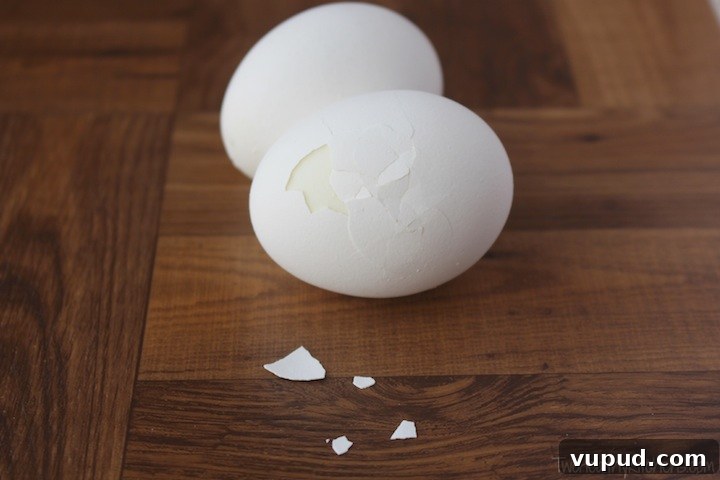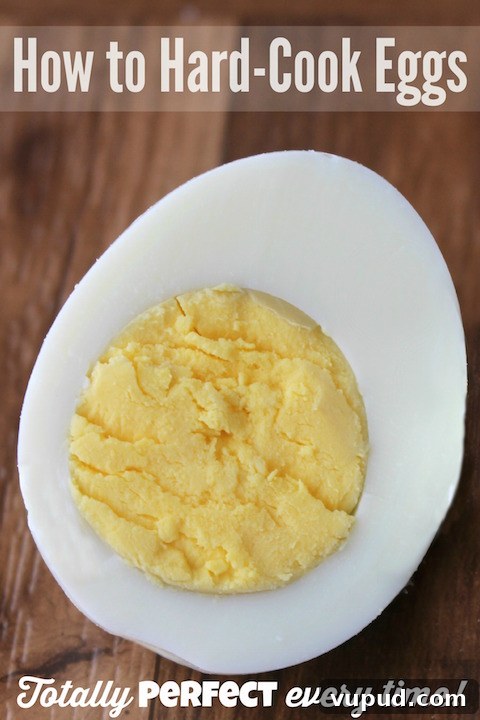
With Easter approaching, many of you will soon be hard-cooking eggs to dye and hide for celebrations. The perennial question: what’s the best way to get perfectly cooked eggs every time?
After comparing notes and testing methods, we found that a straightforward, gentle technique reliably produces creamy, evenly cooked yolks without that unwanted green-gray ring. Below is the method we use and recommend. It’s simple, practical, and works consistently.
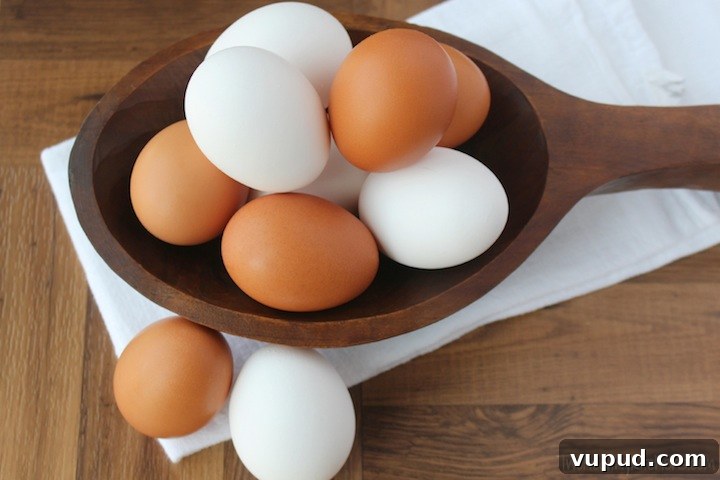
Try this tried-and-true method:
1) Place up to 12 large eggs in a single layer in the bottom of a pot. Do not stack the eggs.
2) Cover the eggs with cold water by about 1–2 inches. Starting with cold water and heating slowly helps prevent the whites from cooking too quickly and becoming tough.
3) Set the pot on a burner that matches its size and turn the heat to high.
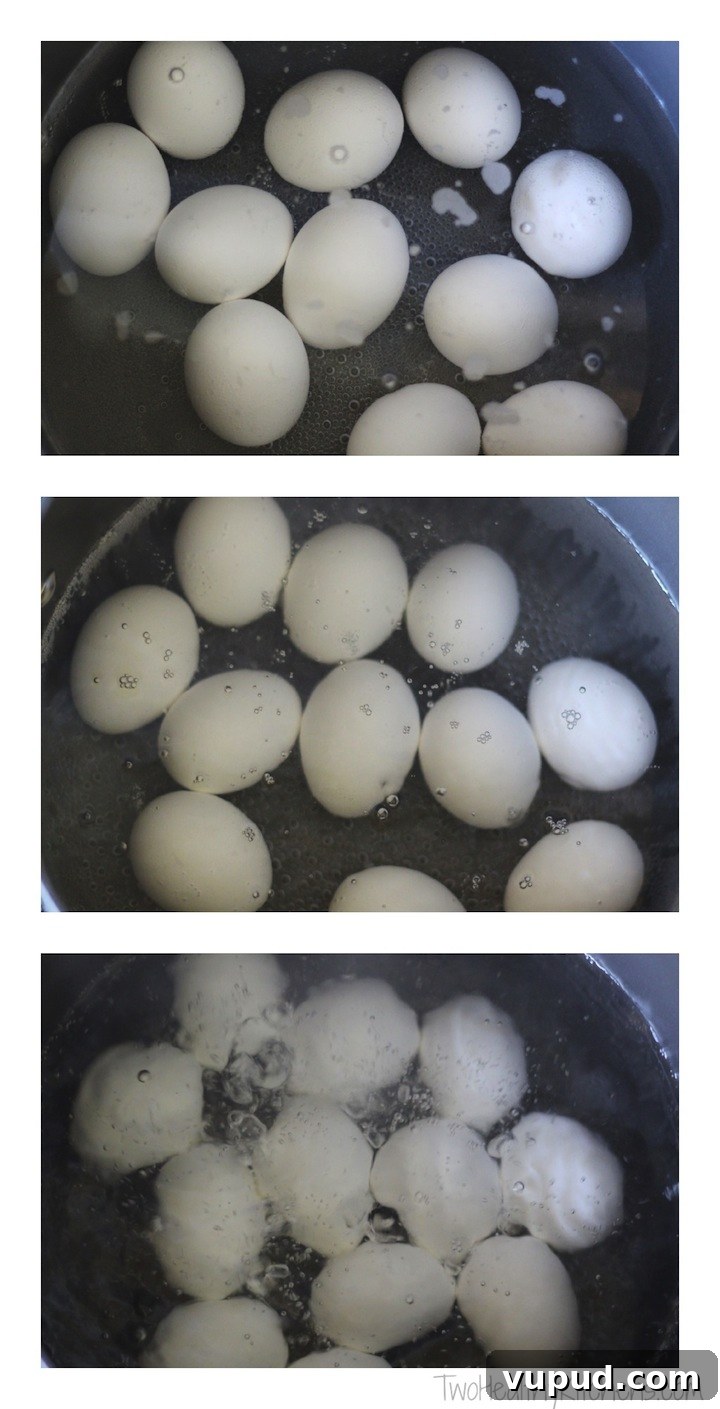
4) Bring the water to a gentle boil—small, steady bubbles—not a harsh rolling boil.
5) As soon as the water reaches a boil, turn the heat off and remove the pan from the burner. Keeping the eggs at a full boil for too long increases the risk of rubbery whites and green rings around the yolks.
6) Cover the pot and let it sit for 12 minutes. This residual heat cooks the eggs gently and evenly.
7) While the eggs rest, prepare an ice bath by filling a large bowl with ice and cold water.
8) After 12 minutes, transfer the eggs immediately to the ice bath using a slotted spoon. Cooling them quickly stops the cooking process and helps prevent the greenish ring around the yolk.
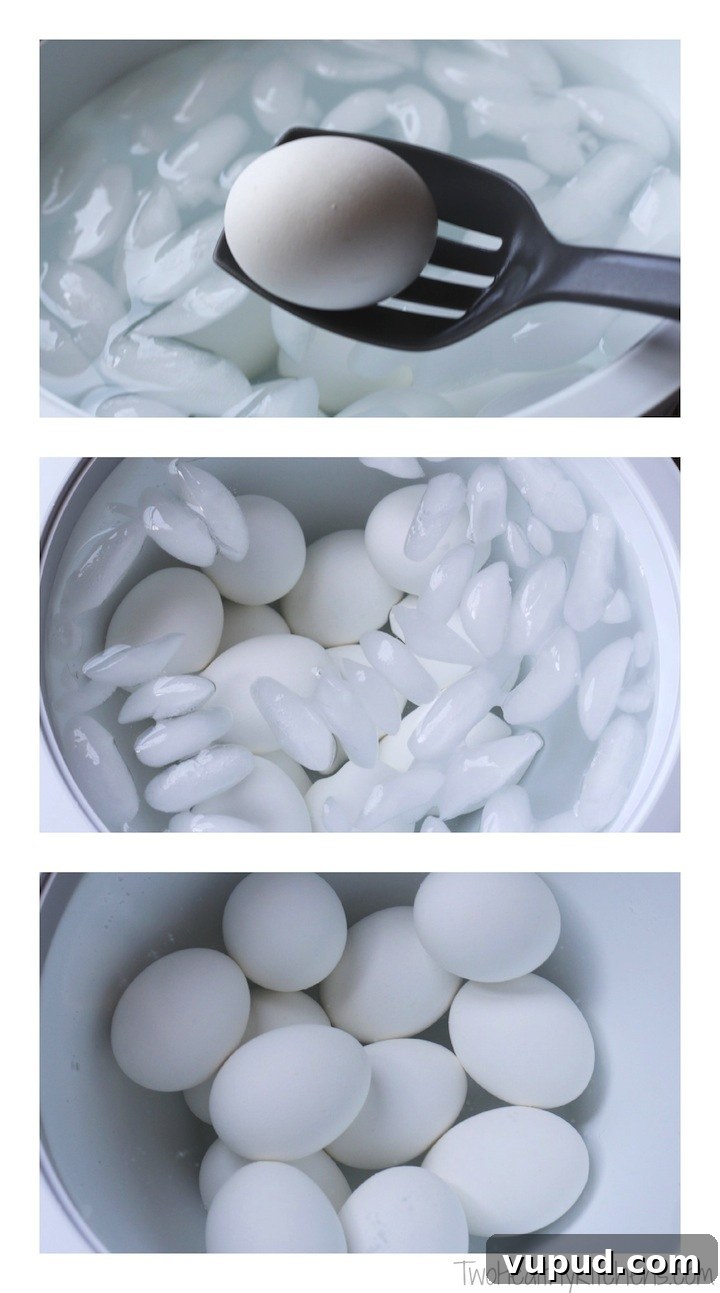
9) Leave the eggs in the ice bath for at least 10 minutes.
10) Remove the eggs from the ice water, dry them, and store them in a bowl or egg carton.
11) Refrigerate the eggs until ready to use.
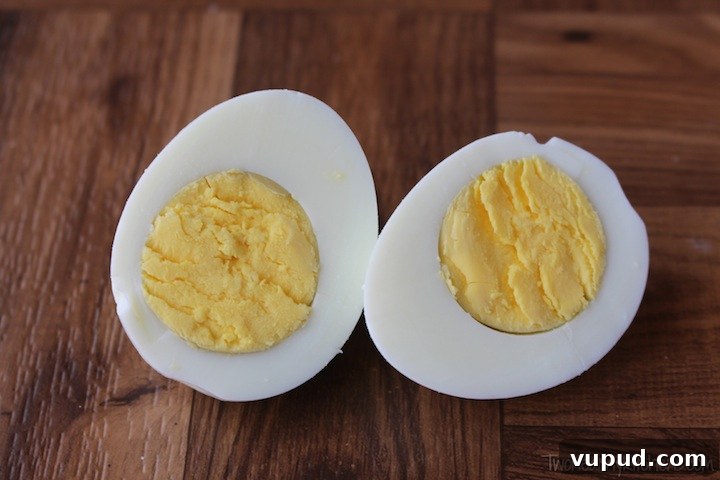
This approach yields consistently creamy yolks and tender whites. If your eggs aren’t turning out right, small differences in technique or conditions can be the cause. Factors that influence results include:
- Number of eggs in the pot
- Whether eggs are in a single layer or stacked
- Egg size
- Starting water temperature
- Whether you bring the water to a simmer or a full boil
- How long the water is allowed to boil or simmer
- How long the eggs sit in the covered pot after removing from heat
- Altitude, which changes water’s boiling point
- Personal preference for yolk doneness
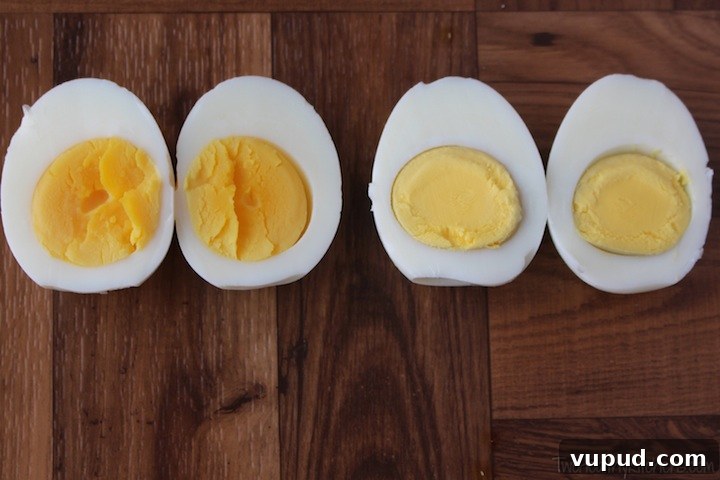
Different successful methods often vary only slightly in heat intensity and time. For example, letting eggs simmer at low heat for 15–25 minutes or bringing them to a rolling boil for a minute and then letting them sit both work in practice—each balances heat and time differently. We avoid vigorous boiling to reduce cracking risks and agitation between eggs.
Some additional tips and common suggestions:
- Salt or vinegar: Some people add salt or vinegar to the water to reduce cracking. In our experience, it’s unnecessary if you start with cold water and heat gently. Plain water works fine.
- Baking soda: A few sources suggest baking soda to make peeling easier, but the most reliable trick is to use eggs that are a few days old. Eggs around 5–7 days old peel much more easily than very fresh eggs.
- The green ring: If a green-gray ring forms around the yolk, it’s due to a harmless chemical reaction between sulfur in the whites and iron in the yolk when eggs are overcooked or cooled too slowly. These eggs are safe to eat; to avoid the ring, reduce cooking intensity or cool eggs promptly in an ice bath.
Follow this method and adjust slightly for your stove, pot, and egg size, and you’ll consistently get creamy, fully cooked eggs perfect for dyeing, serving, or making egg salad. Happy cooking—and happy Easter!