“Call it serendipity. At a small Lebanese restaurant in downtown Palo Alto, I had a chance encounter with a flavor of another kind. My notes in my iPhone list it as “zater”, my best guess at the spelling after interrogating the waiter at length about the ingredient mixed in with the olive oil.”
I first wrote about my introduction to za’atar—an aromatic spice blend I’ve loved ever since—in the Spring 2014 issue of Edible Silicon Valley.
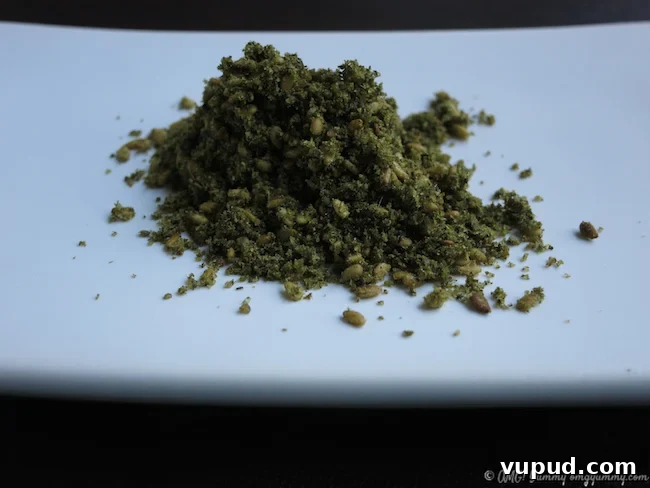
For this month’s Tasting Jerusalem theme, Sarene and I explored za’atar, a tangy, nutty blend whose variations reflect the regions and cultures that use it. Each mix tells a story through its balance of herbs, seeds, and spices.
In Morocco, za’atar often refers to the wild plant—hyssop—used for centuries to flavor bread. Its taste sits somewhere between oregano and marjoram, as noted by Mourad Lahlou. In Jerusalem: A Cookbook, Ottolenghi and Tamimi describe the flavor as dwelling in the same family as oregano, marjoram, sage, or thyme, but with a distinct sharpness: warm, slightly pungent, and unmistakable.
For many, however, za’atar is the blended condiment from the Middle East. It adds a bright, complex acidity when you want an alternative to lemon juice or vinegar. Sumac and toasted sesame seeds are typical anchors, joined by one or more herbs such as thyme, oregano, or the za’atar leaf itself; beyond that, recipes diverge by country and cook.
Regional touches vary: Lebanese za’atar sometimes includes dried orange zest, while Israeli blends—shaped by Arab culinary traditions and local innovation—may contain dried dill. Jordanian versions tend to emphasize sumac for a zestier profile.
Some cooks keep ratios simple and balanced: Lahlou suggests roughly equal parts sesame seed, sumac, and oregano. Ottolenghi and Tamimi recommend za’atar leaves, ground sumac, toasted sesame seeds, and salt, with occasional additions like pepper or cumin.
Za’atar is central in Palestinian cuisine and plays a prominent role in contemporary Israeli cooking. It’s a kitchen staple across Syria, Lebanon, and Jordan. Mixed with olive oil (za’atar ul-zayt), it becomes a spread for flatbreads, a dip, a sandwich filling, or a topping for tomatoes. It flavors croissants, breadsticks, yogurts, and stews; in some places, children are given za’atar sandwiches before tests, believed to sharpen the mind.
Lahlou suggests a few easy ways to use za’atar:
- Sprinkle on flatbread or pizza dough before baking.
- Drizzle olive oil over goat cheese or feta and finish with za’atar.
- Marinate chicken in yogurt and za’atar—scrape off excess before grilling or roasting.
- Stir into aioli or yogurt dips.
- Sprinkle on tomatoes, cucumbers, or fried and deviled eggs; garnish with lemon basil where appropriate.
Za’atar’s versatility makes it a go-to seasoning for vegetables and meats alike, especially during grilling season, but truly useful year-round.
July Za’atar Recipes from the Cookbook Include:
Roasted butternut squash with tahini and za’atar (page 36): A signature Ottolenghi dish that combines roasted squash and onions with the bold pairing of tahini and za’atar. It’s an elegant, make-ahead side that shines at gatherings.
Puréd beets with yogurt and za’atar (page 53): One of Ottolenghi’s most popular plates, this dish lets beets pair with savory and spicy notes while balancing natural sweetness.
Parsley and barley salad (page 81): A bright, sharp salad that complements richer meat dishes or enhances a vegetarian spread. Barley can be substituted with grains like spelt, farro, or wheat berries.
Hummus kawarma (lamb) with lemon sauce (page 118): Za’atar features in the spice mix coating the lamb for this hearty, flavorful dish.
Braised eggs with lamb, tahini, & sumac (page 205): Though za’atar isn’t listed in the ingredient list for this dish, the headnote notes it as a typical Jerusalem addition found in many versions.
Acharuli khachapuri (pages 252–253): A cheese-and-egg filled bread from Jerusalem’s Georgian Jewish community—ideal for a quick, portable meal. Sarene prepared these during cheese month to great acclaim.
Za’atar complements tomatoes and olive oil beautifully and pairs well with a wide range of vegetables and proteins. Once you add it to your pantry, you’ll likely reach for it again and again.
Welcome to Tasting Jerusalem
If you’re new to the group, here are our simple guidelines—mostly, cook and share your experience.
Group Guidelines:
- How often will we cook: We choose a set of recipes each month so participants can fit cooking into their schedules and source any special ingredients.
- Do I need to cook all the recipes: No. Pick the recipes that suit your tastes and time—cook as many or as few as you like.
- What do I need to participate: Jerusalem: A Cookbook, curiosity, and willingness to try new flavors. We post each month’s plan on the blog so you can follow along there or via social channels using the hashtag #TastingJrslm.
- How to share what you cook: Everyone is welcome. If you have photos, share them on social media with #TastingJrslm. If you need help getting started, email beth (at) omgyummy (dot) com.
- What recipes can be published and how to publish: We don’t post full cookbook recipes unless permitted by the publisher. If you adapt a recipe, note that it’s adapted and credit the source.
- What if I have questions: Sarene and I monitor our Facebook page and the #TastingJrslm hashtag; feel free to ask there. The group thrives on shared knowledge and ideas.
- What to include if you write a blog post: Let us know and we’ll link to your post. When sharing, include a mention that Tasting Jerusalem is a virtual cooking community exploring Jerusalem: A Cookbook by Ottolenghi and Tamimi.