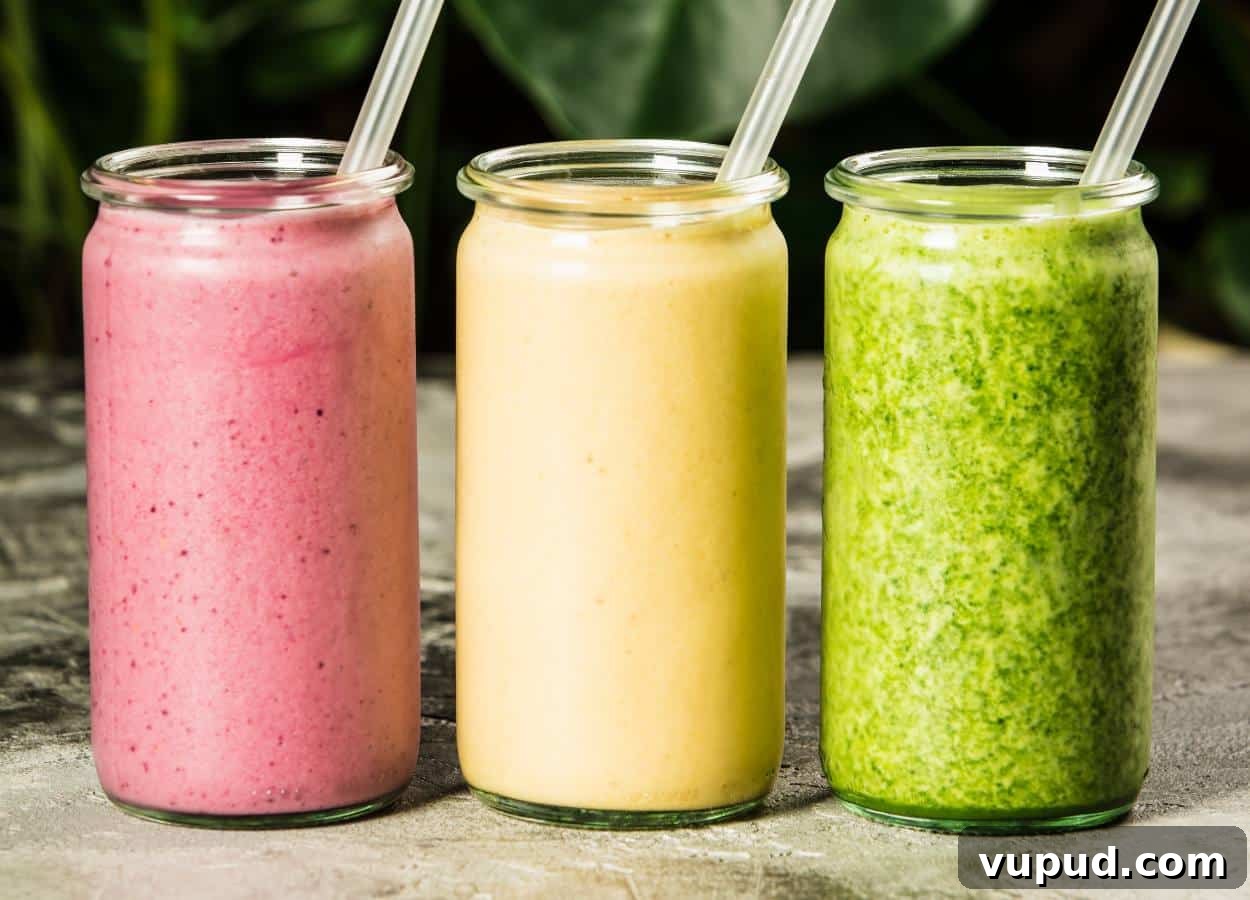
Making smoothies is an easy way to pack more nutritious foods—fruits, vegetables, and other wholesome ingredients—into your day. Choosing the right liquid affects flavor, texture, calories, and nutrients. Below is a clear, practical guide to the best liquids for smoothies from a Registered Dietitian, so you can pick the option that fits your taste and goals.
If you love smoothies, try the Detox Island Green Smoothie for a refreshing, nutrient-packed option.
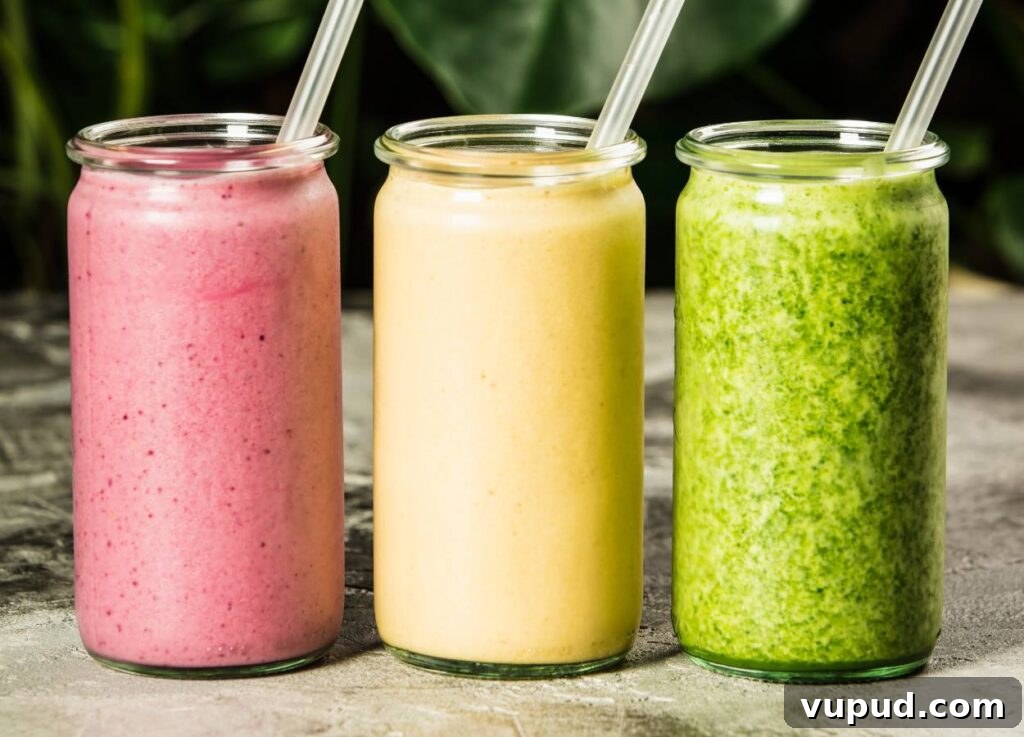
Liquids commonly used in smoothies fall into three categories: water, milk and milk alternatives, and juices. Each category offers advantages and trade-offs depending on your goals—hydration, creaminess, protein content, or lower sugar. Here’s a breakdown to help you decide.
Water
Plain water is a simple, accessible choice. It keeps smoothies low in calories and sugar while adding hydration, which is helpful for people who don’t drink enough water throughout the day.
Pros: Zero added calories or sugar, hydrating, and always on hand.
Cons: Neutral flavor that can dilute taste; not ideal for very creamy, rich smoothies that include chocolate or nut butters.
Works best in: Fruit-forward smoothies with natural sweetness.
Milk and Milk Alternatives
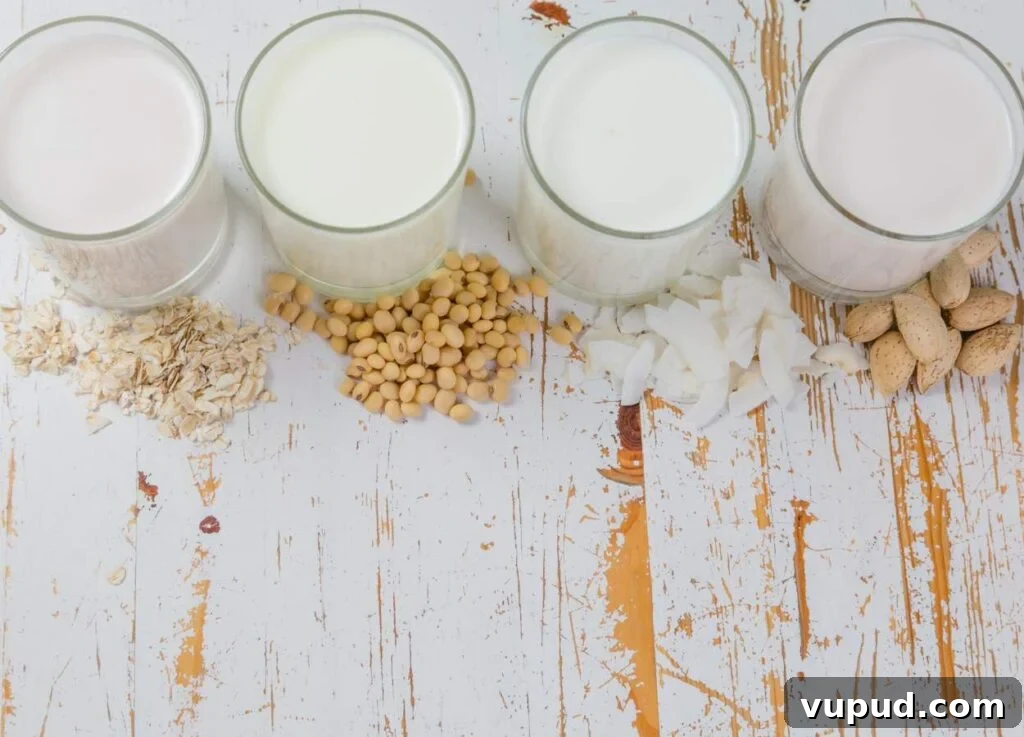
Milk and plant-based milks add creaminess and can provide additional nutrients. Nutrient profiles vary widely, so choose based on whether you want more protein, lower calories, or a dairy-free option.
Cow’s milk
Cow’s milk delivers protein, calcium, vitamin D, and B vitamins—useful when your smoothie lacks another protein source like yogurt or protein powder. Available in whole, 2%, and skim varieties to match calorie and fat preferences.
Pros: High in protein and micronutrients; creates a creamy texture.
Cons: May not suit smoothies dominated by savory or vegetable flavors.
Works best in: Fruit smoothies and blends with creamy ingredients such as chocolate or peanut butter.
Almond milk
Almond milk is a popular dairy-free option. It’s often low in calories and carbs, especially when unsweetened, but typically contains less protein than cow’s milk. Choose fortified varieties to replace vitamin D and calcium.
Pros: Dairy- and lactose-free, a source of vitamin E, and available in low-calorie unsweetened versions.
Cons: Low protein content.
Works best in: Fruit smoothies and creamy fruit-and-vegetable blends.
Oat milk
Oat milk offers a naturally creamy texture and mildly sweet flavor. Some brands add sugar, so check labels. It often contains a small amount of fiber and B vitamins.
Pros: Dairy- and lactose-free, creamy, with some soluble fiber and B vitamins.
Cons: Lower in protein and often higher in carbs; added sugars in many varieties.
Works best in: Fruit smoothies and creamy recipes like chocolate-banana or nut-butter blends.
Coconut milk
Coconut milk (carton variety for smoothies) is flavorful and low in carbohydrates, with a distinct coconut taste. It’s different from canned coconut milk, which is much higher in calories and fat.
Pros: Dairy- and lactose-free, flavorful, and low-carb in carton form.
Cons: Strong coconut flavor that not everyone enjoys and low in protein.
Works best in: Tropical smoothies featuring mango, pineapple, or banana.
Soy milk
Soy milk is one of the higher-protein plant milks, making it a practical choice when you want extra protein without dairy. Many brands are fortified with vitamins and minerals.
Pros: Dairy-free, higher in protein than most plant milks, and often fortified with nutrients.
Cons: Some varieties contain added sugar—choose unsweetened if you want lower sugar.
Works best in: Fruit smoothies and richer blends like chocolate, banana, or peanut butter.
Pea milk
Pea-based milk is made from yellow peas and is relatively high in protein compared with many plant milks. It’s usually fortified with calcium and vitamins and tends to be creamy, though flavor preferences vary.
Pros: High in protein, creamy, and often lower in added sugar.
Cons: Flavor may be polarizing for some people.
Works best in: Fruit, fruit-and-vegetable, or creamy nut-butter smoothies.
Juice
Fruit juice
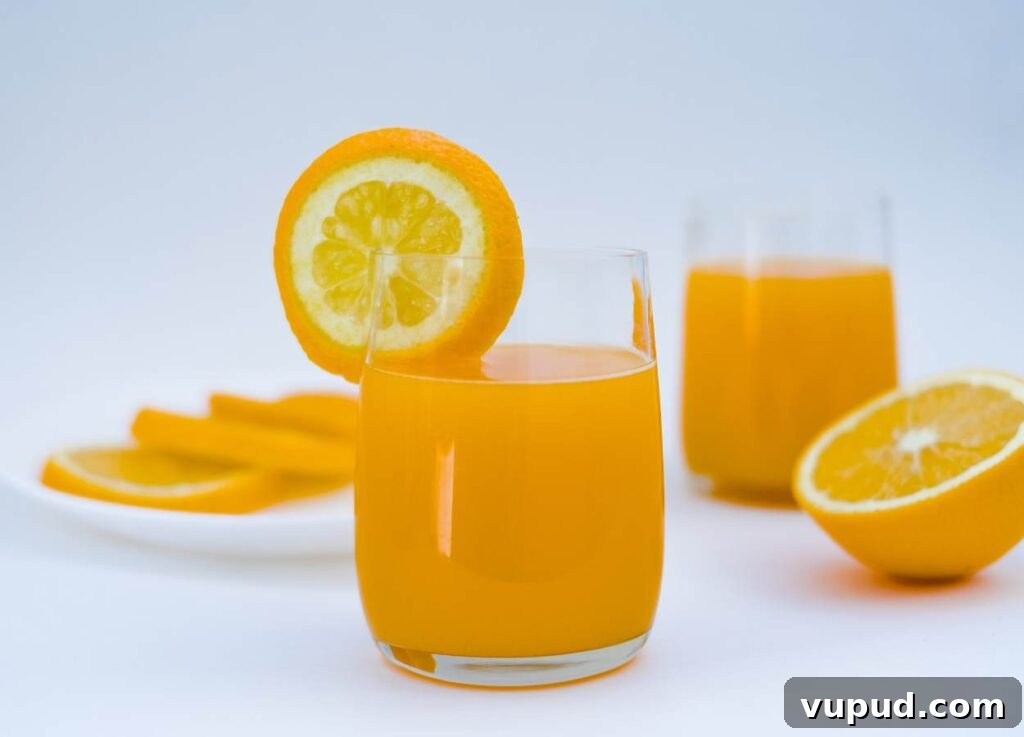
Fruit juice adds bright flavor and vitamins but can substantially increase sugar and calories because it lacks the fiber found in whole fruit. If you enjoy juice, choose 100% juice and consider blending half juice with half water to reduce sugar density.
Pros: Flavorful and often rich in vitamins and antioxidants.
Cons: Can add considerable sugar and calories; missing the fiber of whole fruit.
Works best in: Fruit-forward smoothies or when you want extra sweetness and flavor.
Coconut water
Coconut water is a lightly sweet, hydrating option with electrolytes such as potassium and magnesium. It’s lower in calories and sugar than many fruit juices and pairs nicely with tropical flavors.
Pros: Hydrating, flavorful, and a natural source of electrolytes.
Cons: Distinct coconut taste that may not suit every recipe.
Works best in: Tropical fruit smoothies and green smoothies with mango or pineapple.
Which is the best choice?
The best liquid for your smoothie depends on your goals and preferences. If you want lower sugar, avoid sweetened milks and juice. If you need more protein, choose cow’s milk, soy, or pea milk. If you prefer a light, refreshing drink, water or coconut water are good picks. Creamy texture calls for cow’s milk, oat, or coconut milk.
Ultimately, no single liquid is universally “best.” The overall nutrition of your smoothie comes from the whole combination of ingredients—liquids, fruits, vegetables, protein sources, and add-ins. Experiment to find the balance of flavor, texture, and nutrition that works for you.
Try these smoothie recipes
Kiwi Quencher Smoothie
Sunrise Sunset Smoothie
Bahama Mama Smoothie
Detox Island Green Smoothie