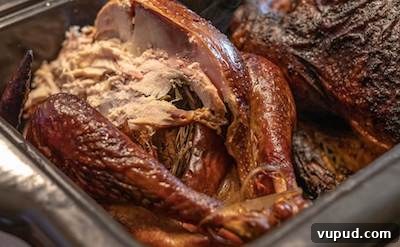
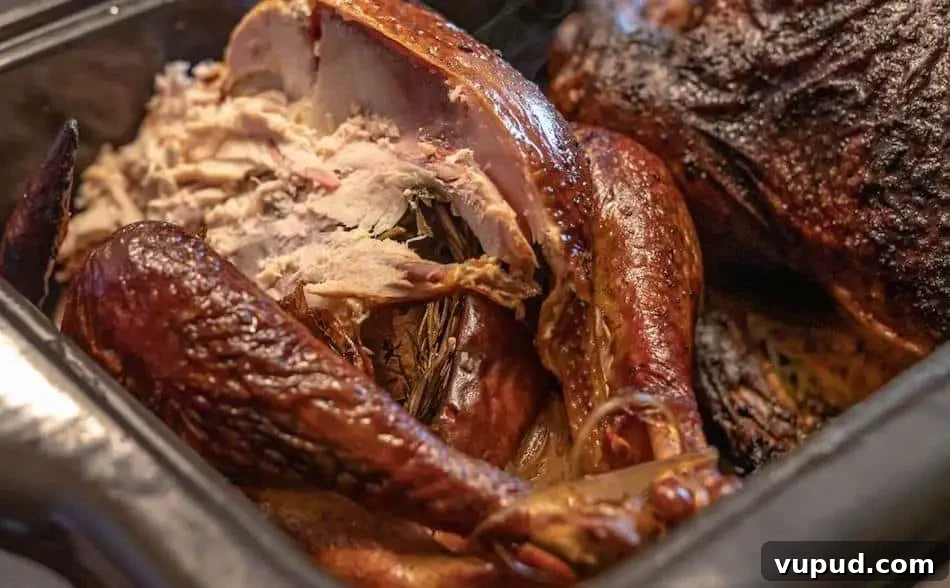
Smoking a turkey can be tricky—it’s easy for the meat to end up tough and dry. If you’re planning to smoke a turkey and want juicy, flavorful results, there are several practical steps you can take to avoid dryness. This article outlines the main causes of a dry smoked turkey and offers reliable techniques to keep the meat moist, tender, and well seasoned.
In short: avoid overcooking at too high or too low a temperature, consider spatchcocking, brine or dry-brine the bird, let it rest, choose the right size or cut it into pieces, and use a thermometer to monitor doneness.
Key Points
- Smoking turkey is challenging because the meat can easily become dry or tough if mishandled.
- Common mistakes include cooking too long at high temperatures, choosing an overly large bird, or treating turkey like a fatty cut meant for low-and-slow cooking.
- Effective strategies include buying a smaller turkey, spatchcocking to promote even cooking, brining or dry-brining to retain moisture, resting after cooking, using fresh turkey when possible, and portioning the bird for even heat exposure.
- Target cooking at a relatively high temperature for a shorter period—roughly three hours at 275°F–300°F is a practical guideline for many sizes.
- Brining increases moisture retention and flavor but can soften skin; drying the bird uncovered in the fridge after brining and using higher cook temps will help crisp the skin.
- Basting with butter and oil can keep meat moist but may affect skin texture; a meat thermometer is essential to ensure safe and accurate doneness.
- Tenting with foil or a foil-and-paper towel combination can protect skin from burning but will soften it; use judiciously and remove for final crisping if desired.
Useful Smoked Turkey Tips
| Factor | Effect on Turkey |
|---|---|
| Cooking at a high temperature for too long | Meat becomes tough and dry |
| Buying a large turkey | Harder to cook evenly; outer parts may be overdone |
| Cooking low-and-slow like other cuts | Skin can become soft and rubbery |
| Buying a smaller turkey | Easier to cook evenly; less risk of overcooking outer parts |
| Spatchcocking the turkey | Cooks faster and more evenly; helps retain moisture |
| Brining the turkey | More flavorful and less likely to dry out |
| Letting the turkey rest after cooking | Helps juices redistribute and retain moisture |
| Buying a fresh turkey | Typically retains more moisture than frozen |
| Cutting the turkey into pieces | Allows more even cooking and better smoke penetration |
| Cooking at 275°F–300°F for about 3 hours | A sound general approach for many turkey sizes |
| Brining (wet) may soften skin | Drying the bird in the fridge and using higher heat helps crisp the skin |
| Basting with butter and oil | Helps keep meat moist but can soften skin |
| Using a meat thermometer | Ensures meat reaches a safe and ideal internal temperature |
| Covering or tenting | Prevents burning but can soften skin; remove tent for final crisping if needed |
Why Turkey Is A Challenge
Turkey is lean and low in collagen compared with cuts like brisket, so it behaves differently during cooking. Low temperatures can produce rubbery skin, while prolonged exposure to high heat will dry the meat. Rather than the classic low-and-slow approach used for fatty, collagen-rich cuts, turkey benefits from relatively higher heat for a shorter time. A practical window for many smoked turkeys is around three hours at 275°F–300°F, though exact time depends on size and setup.
During cooking, meat loses water as proteins contract. Because turkey has less fat and collagen, it has less margin for error—the juices are more easily expelled. That is why techniques that preserve or reintroduce moisture (brining, proper resting, portioning, and accurate temperature control) make a significant difference in the final result.
Below are several straightforward techniques to avoid a tough, dry turkey.
Buy A Smaller Turkey
Large turkeys are harder to cook evenly: the breast can overcook before the thickest parts reach safe temperature. Instead of a single very large bird, consider spatchcocking, cutting into pieces, or purchasing two smaller birds. Smaller or portioned birds cook more reliably and reduce the chance of dry outer meat.
Spatchcock The Turkey
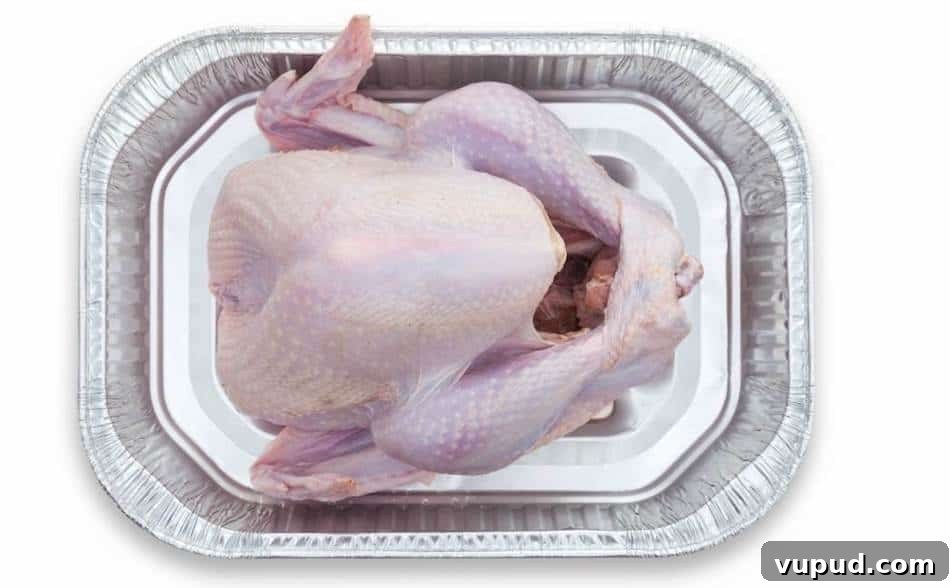
Whole turkeys have uneven thickness and a large cavity that complicates heat distribution. Spatchcocking (butterflying) flattens the bird so it cooks more evenly and faster, reducing cook time and helping the meat stay moist. It also exposes more surface area to seasoning and smoke, and a spatchcocked turkey can present very attractively.
How To Spatchcock Turkey
Spatchcocking is simple:
- Place the bird backbone-up with the breast and wings down.
- Cut along both sides of the backbone with kitchen shears or a sharp knife.
- Remove the backbone completely.
- Clean the cavity and remove any unwanted parts.
- Flip the bird breast-side up.
- Press down on the breastbone until it cracks and the bird lies flat.
Brining Turkey
Brining adds moisture and flavor by allowing salt to penetrate the meat and help it retain water during cooking. A 24-hour wet brine is common, but many turkeys today are already injected with a saline solution, so check labels before adding more. If you prefer crisp skin, be aware wet brining can soften it—dry the bird uncovered in the refrigerator after brining and avoid low cooking temperatures to encourage crispy skin. Dry brining is an effective alternative if you want less wetness on the surface.
Dry Brining
Dry brining involves rubbing kosher salt over the entire bird and letting it rest uncovered in the refrigerator for about 24 hours. This method seasons the meat and helps it hold moisture without the excess surface wetness of a wet brine, improving the chance of crisp skin.
How Long To Rest Turkey
Rest the turkey after cooking so juices can redistribute. Carving too soon forces juices out of the meat; resting allows tightened muscle fibers to relax and reabsorb moisture. A typical rest period is 20–30 minutes, depending on bird size.
Fresh Turkey vs Frozen Turkey
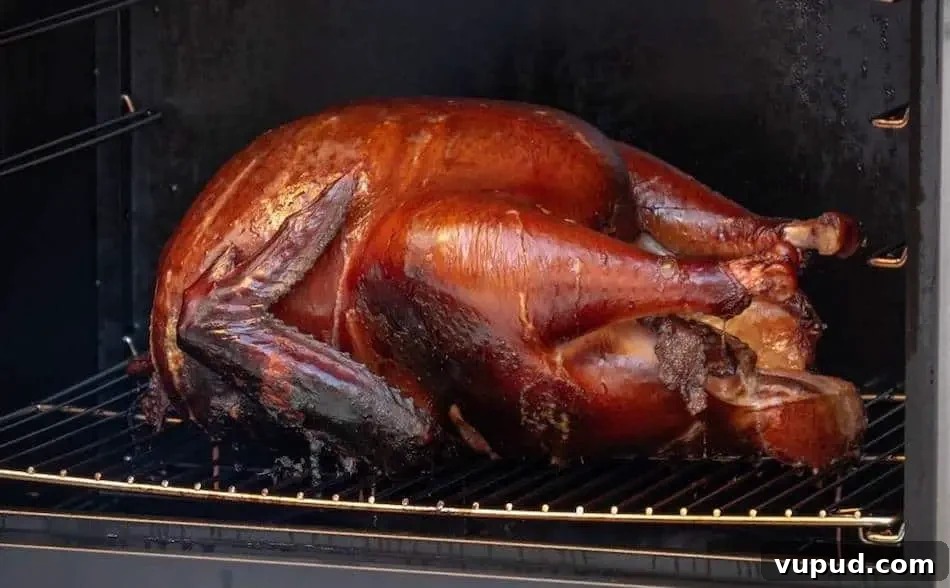
Fresh turkey generally retains more moisture than a frozen-and-thawed bird. Freezing forms ice crystals that can damage cell structure and reduce the meat’s ability to hold juices. If using a frozen turkey, thaw it safely in the refrigerator over several days—never at room temperature—to minimize moisture loss and food-safety risks. If you must freeze, freeze the turkey at peak freshness.
Cut The Turkey Into Pieces
Cutting a large turkey into parts helps the meat brown and cook evenly while allowing smoke and seasoning to penetrate more easily. Pieces cook faster and can make temperature control simpler. Even so, turkey pieces can dry out if exposed to high heat too long, so monitor them closely.
More Turkey Tips
Use reliable thermometers: a dual-probe leave-in thermometer plus an instant-read thermometer gives the best control. Start checking internal temperatures around two hours into the cook. The USDA recommends cooking turkey to an internal temperature of 165°F; check several locations, especially the thickest parts of the breast and thigh. Smoking typically takes about 3–4 hours, depending on size and technique—always cook to internal temperature rather than time alone.
Thanks for reading. Apply these techniques—proper sizing, spatchcocking or portioning, brining, monitoring temperature, and resting—and you’ll be much closer to a juicy, flavorful smoked turkey.