This article originally appeared as a guest post on the Attune Foods blog.
How do you define the phrase “real food”? Many people have an instinctive sense of what it means, but trying to craft a clear definition quickly becomes complicated. The challenge lies in deciding where to draw the line between foods that feel natural and those that feel manufactured.
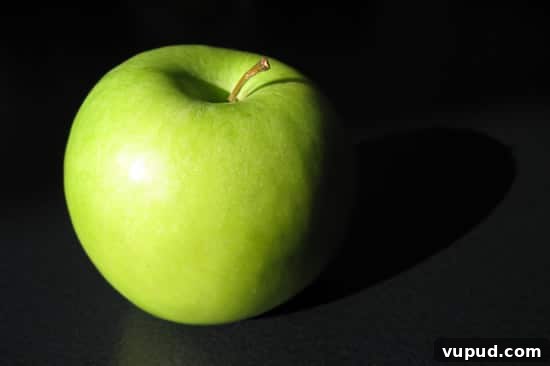
Consider a freshly picked apple eaten straight from the tree — that seems undeniably real. But what if that tree was treated with pesticides? What if the apple is transformed into applesauce in a large-scale production facility with thousands of gallons processed at once? Does the scale or the production method change its status? What if citric acid is added to prevent browning?
Milk offers another useful example. Except for truly raw milk straight from a cow, most store-bought milk undergoes multiple processes: pasteurization and homogenization are common. In large dairy plants, fat is removed by centrifuge (the old method of skimming is rare), and later the fat may be recombined to create “whole” milk. Many cartons of whole milk are actually the result of blending milk from numerous cows, separating and recombining components, then pasteurizing and homogenizing the final product. Should we still call that real food?
When I created the October Unprocessed challenge, I needed a practical working definition of “processed.” I developed what I call the “Kitchen Test.” It’s not flawless, but it helps clarify the idea and encourages useful conversation:
Unprocessed food is any food that could be made by a person with reasonable skill in a home kitchen using readily available, whole-food ingredients.
The key phrase is “whole-food ingredient” — ingredients that are as close to their natural state as possible. Think fresh fruits and vegetables, nuts and seeds, whole grains, unprocessed meat or fish, and similar items. The Kitchen Test asks whether the components of a product could, in principle, be sourced or prepared at home without industrial processing steps that are inaccessible to a typical home cook.
Practically speaking, this definition leads me to buy foods that don’t require a label. When products are packaged, I read the ingredient list carefully and evaluate whether each item could be produced or grown at home. If it seems plausible to make every listed ingredient from scratch and combine them in a home kitchen to recreate the product, I treat that product as real food.
Defining “real food” is partly a personal choice informed by values, access, and culinary skill. Some people will include minimally processed items like pasteurized milk or canned tomatoes; others will restrict the term to foods with zero industrial intervention. The Kitchen Test provides a middle ground that emphasizes practical, kitchen-level preparation while recognizing that not every household has the time or resources for fully from-scratch food production.
If you haven’t defined “real food” for yourself, take a moment to consider what matters to you: ingredient integrity, production methods, scale, or simply how close a product is to its natural form. Then apply that standard when you shop, cook, and evaluate packaged foods.
—
Real Apple photo used with permission.