For years I struggled to make great pizza at home. I tried every approach — multiple pizza stones, cranking the oven as high as it would go, and even a primitive brick-and-stone setup on the grill. The breakthrough came when I discovered the Baking Steel method and its 72-hour dough. That simple change transformed my homemade pizzas into pizzeria-quality pies.
Pizza problems
My old routine was predictable: buy grocery-store dough because I hadn’t planned ahead, overload the crust with sauce and toppings, and then panic while transferring the heavy, misshapen pie to the oven. The result was usually a messy half-calzone, half-pizza that set off smoke alarms and left me scraping burnt edges off the oven floor. It was frustrating and discouraging.
The Baking Steel solution
Everything changed after I met Andris Lagsdin, the founder of Baking Steel. His approach is elegantly simple: a heavy steel baking surface paired with a long, slow dough fermentation. I visited Andris’ studio earlier this year and learned the technique and recipe for the 72 Hour Pizza Dough. With a few tips for using the Baking Steel, I started getting consistent, artisan-style results at home.
The steel dossier
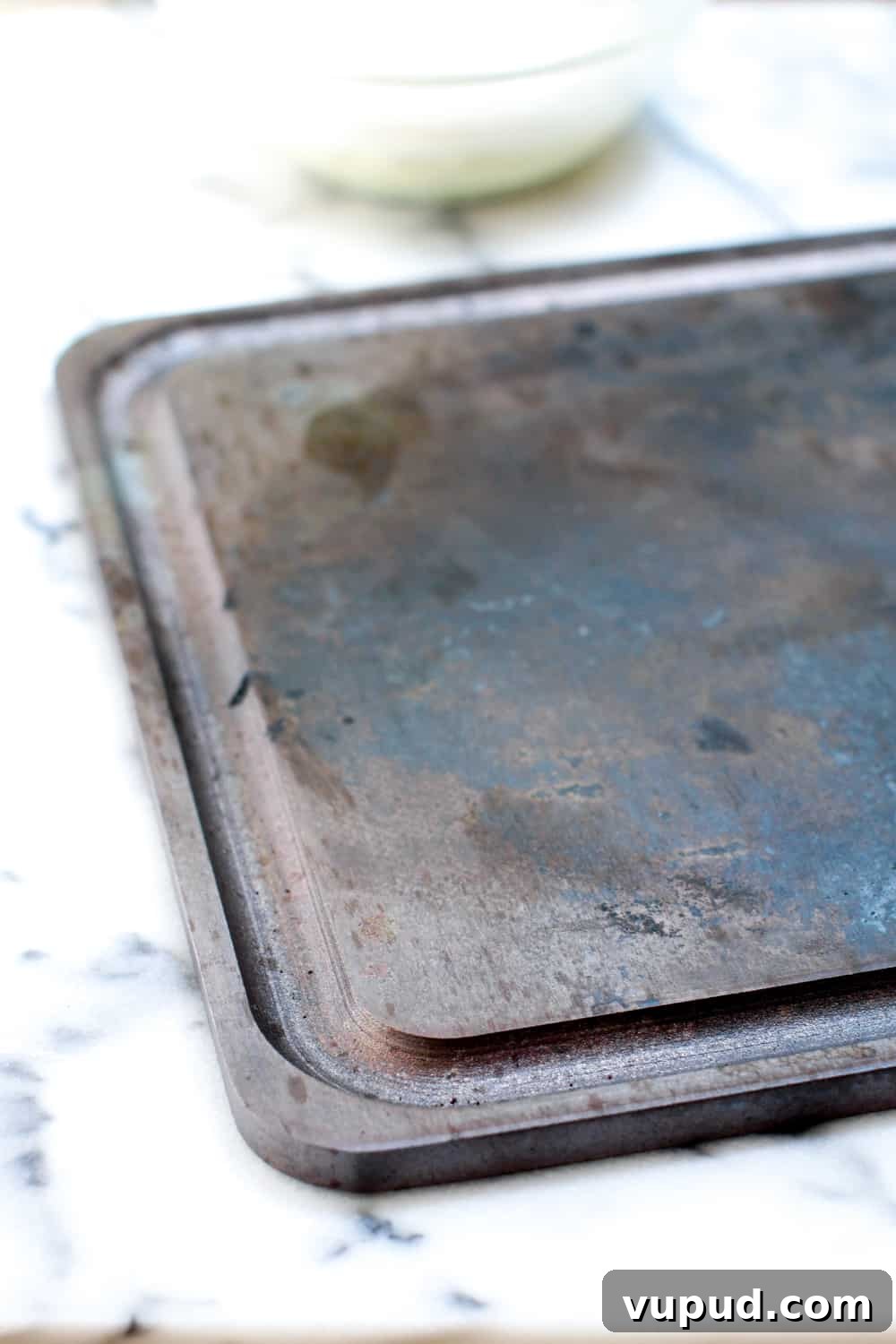
Baking Steel is a dense, high-heat baking surface that absorbs and transfers heat rapidly, creating a crisp, charred crust while keeping the center airy and tender. The 72-hour dough uses minimal ingredients and a long fermentation to develop complex flavor and excellent structure. Once you try it, the improvement is obvious: better oven spring, improved crispiness, and a richer, more developed taste.
Buy Baking Steel
The 72 Hour Pizza Dough recipe requires only four ingredients and a bit of planning. The long refrigeration period is what gives the crust its depth of flavor and improved texture. If you bake pizza at home often, investing in a Baking Steel is worth it — it’s heavy, but it’s the key to achieving that professional crust.
Top tip
I make this dough almost every week so I always have ready-to-use dough when a pizza craving hits. Letting the dough age for the full 72 hours deepens its flavor and improves browning and char when baked at high heat. It’s a small investment of time that pays off with consistently superior pies.
Variations
If you need pizza inspiration, try different topping combinations: classic Margherita, roasted garlic and mushroom, burrata with tomato confit and arugula, or fig and pistachio pesto. The dough is versatile and supports both traditional and inventive toppings.
-
Cheesy Garlic Bread Pizza
-
Garlic & Fennel Mushroom Pizza
-
Tomato Confit Burrata and Arugula Pizza
-
Fig and Pistachio Pesto Pizza




Ingredients
Instructions

Recipe

72 Hour Pizza Dough from Baking Steel
5 from 2 reviews
Description
This 72 Hour Pizza Dough is chewy, flavorful and delivers pizzeria-style results at home when baked on a hot steel surface.
Ingredients
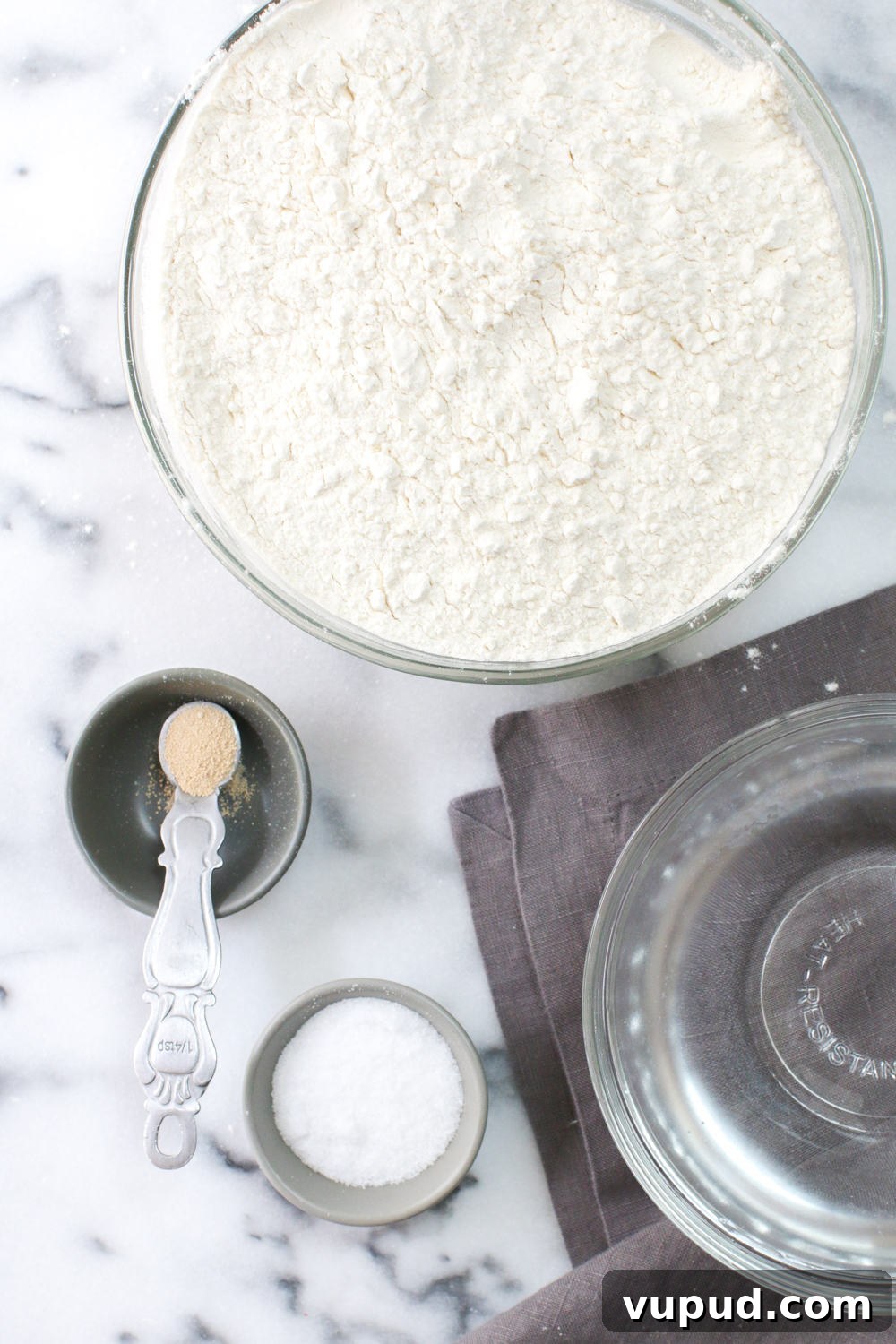
- 500 grams bread flour or all-purpose flour (about 3 ¾ cups)
- 16 grams fine sea salt (about 2 tsp)
- 1 gram active dry yeast (about ¼ tsp)
- 350 grams water (about 1 ½ cups)
Instructions
- Whisk the dry ingredients together in a bowl.
- Slowly add the water while mixing with a wooden spoon until combined.
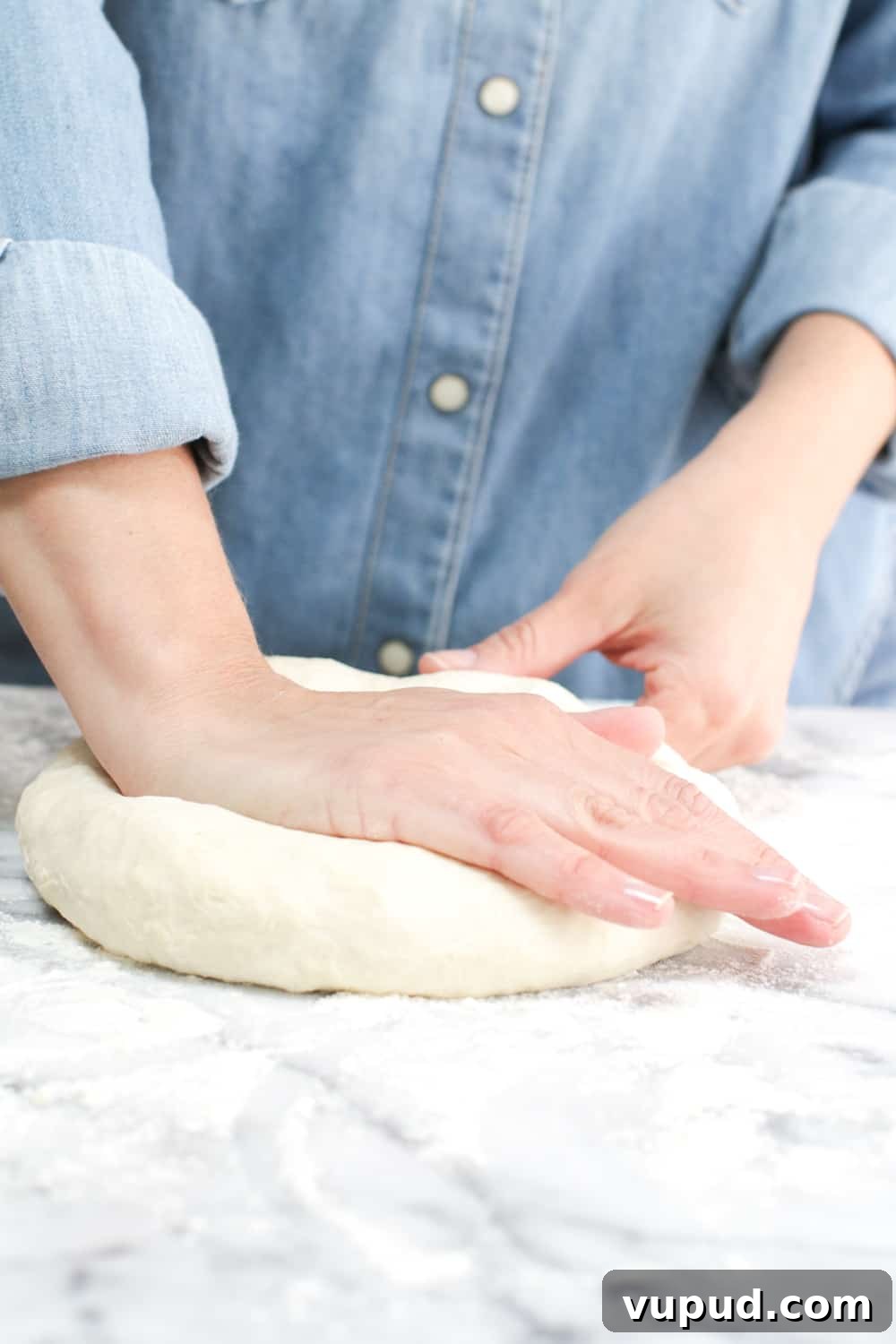
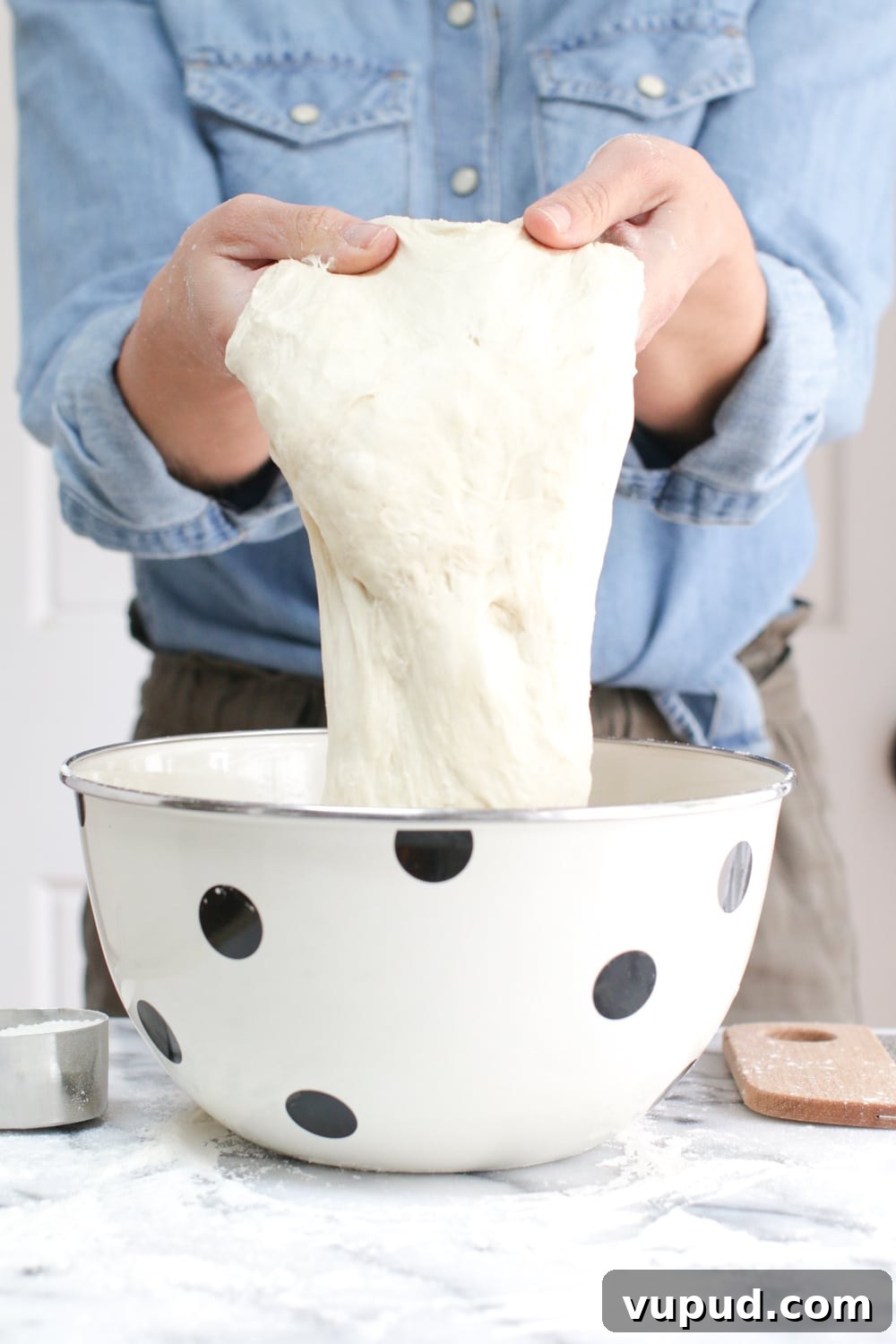
- Turn the dough out and knead 2–3 minutes to eliminate clumps.
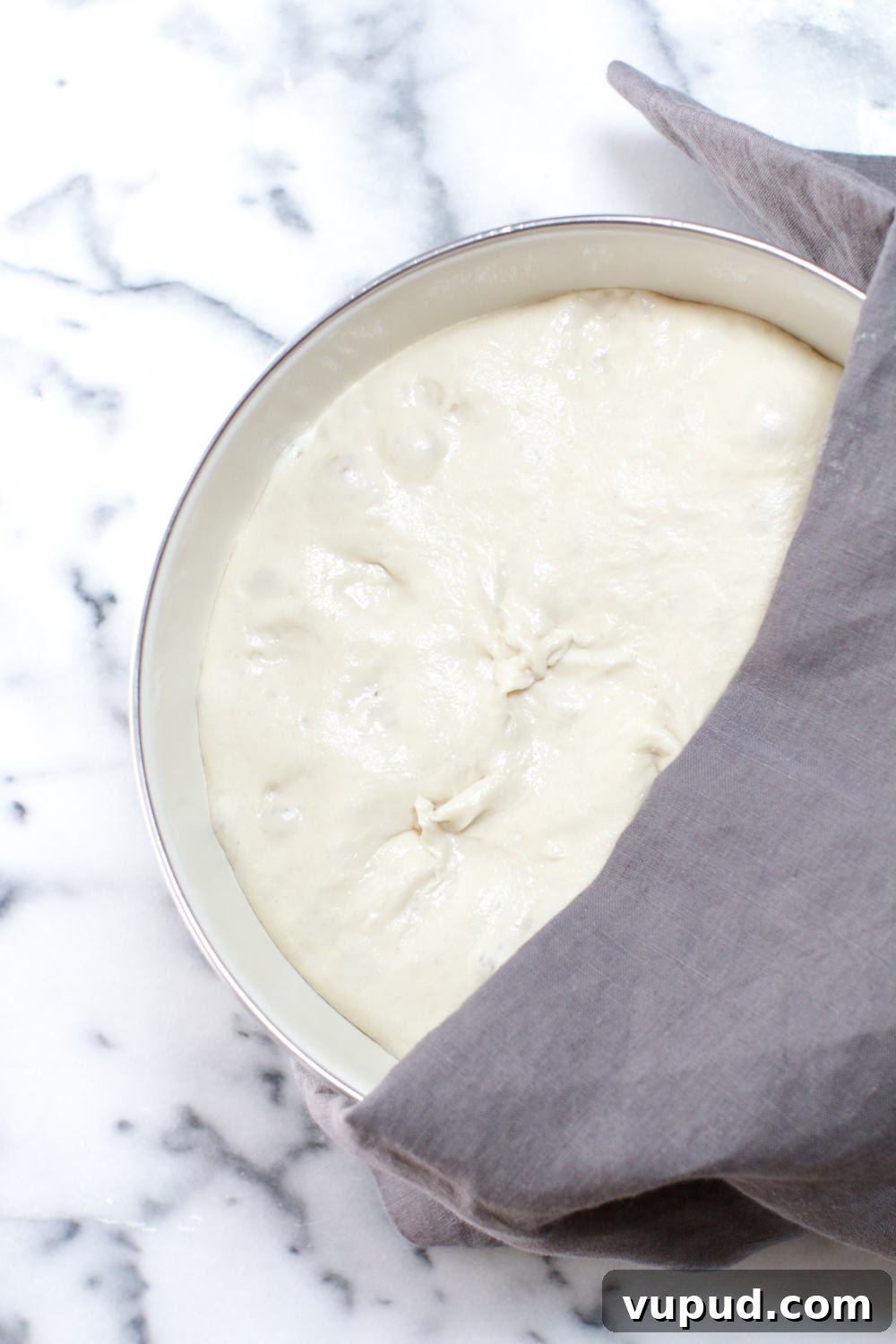
- Place the dough back in the bowl and cover with a damp cloth or plastic wrap.
- Bulk ferment at room temperature for 24 hours.
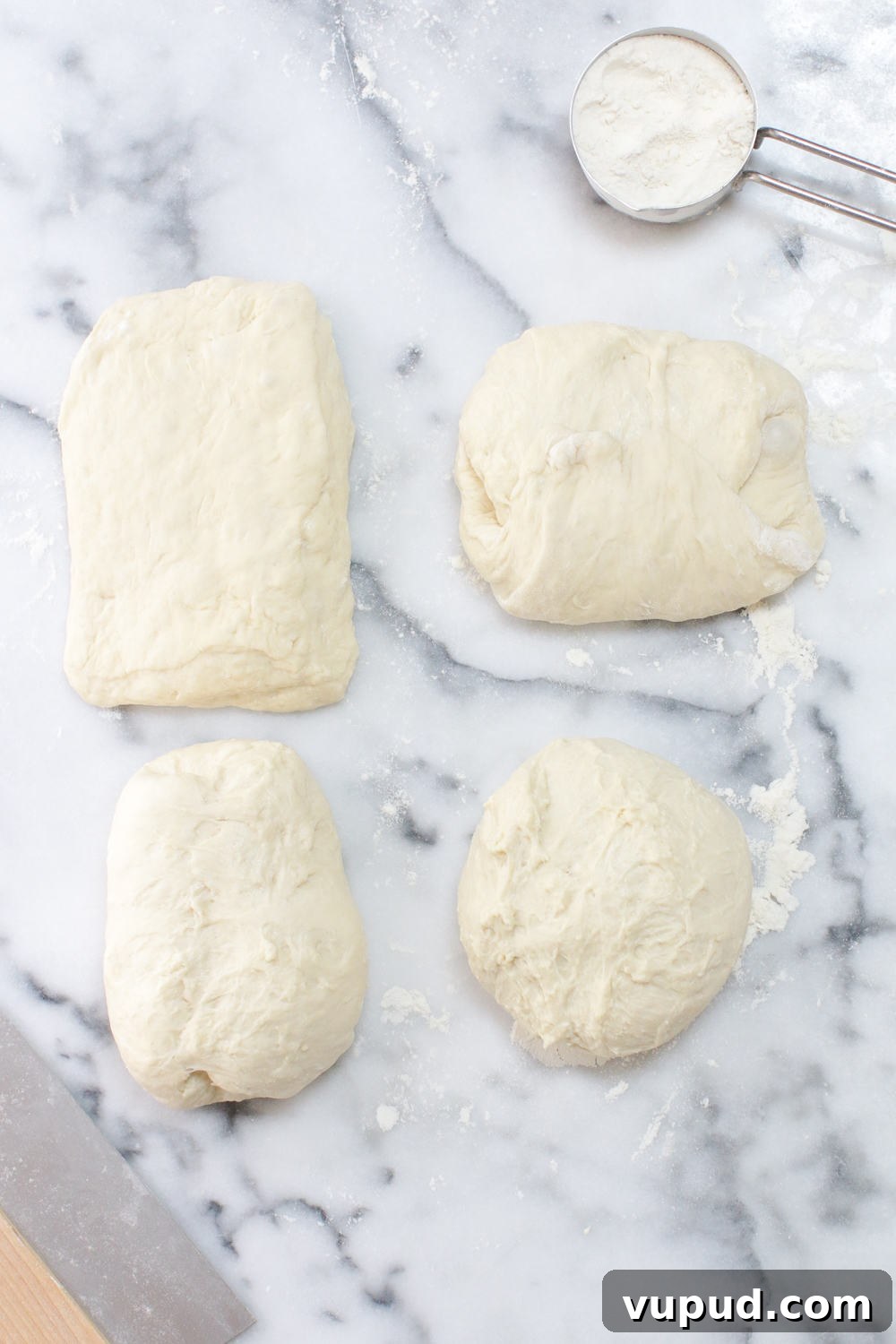
- Lightly flour a work surface, remove the dough, and place it on the floured surface.
- Divide the dough into equal portions. This recipe yields four 10″ pies or three 12–14″ pies.
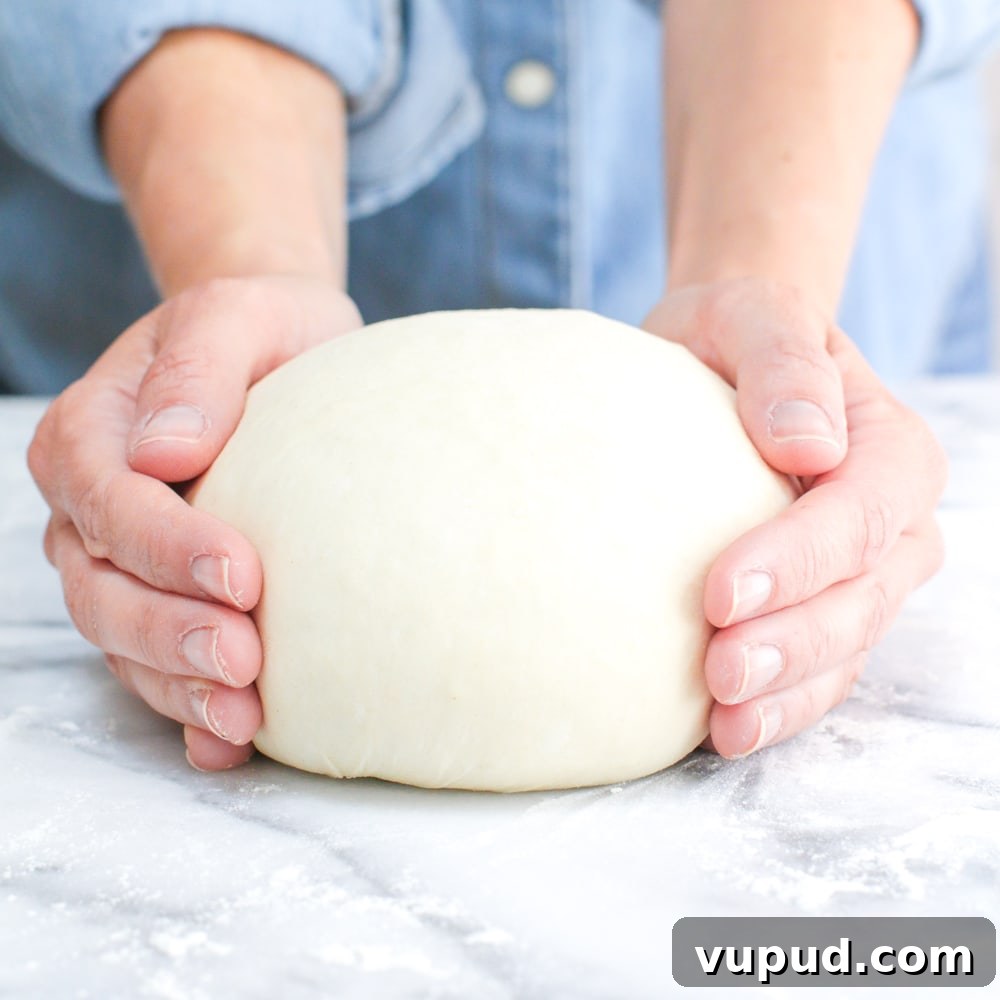
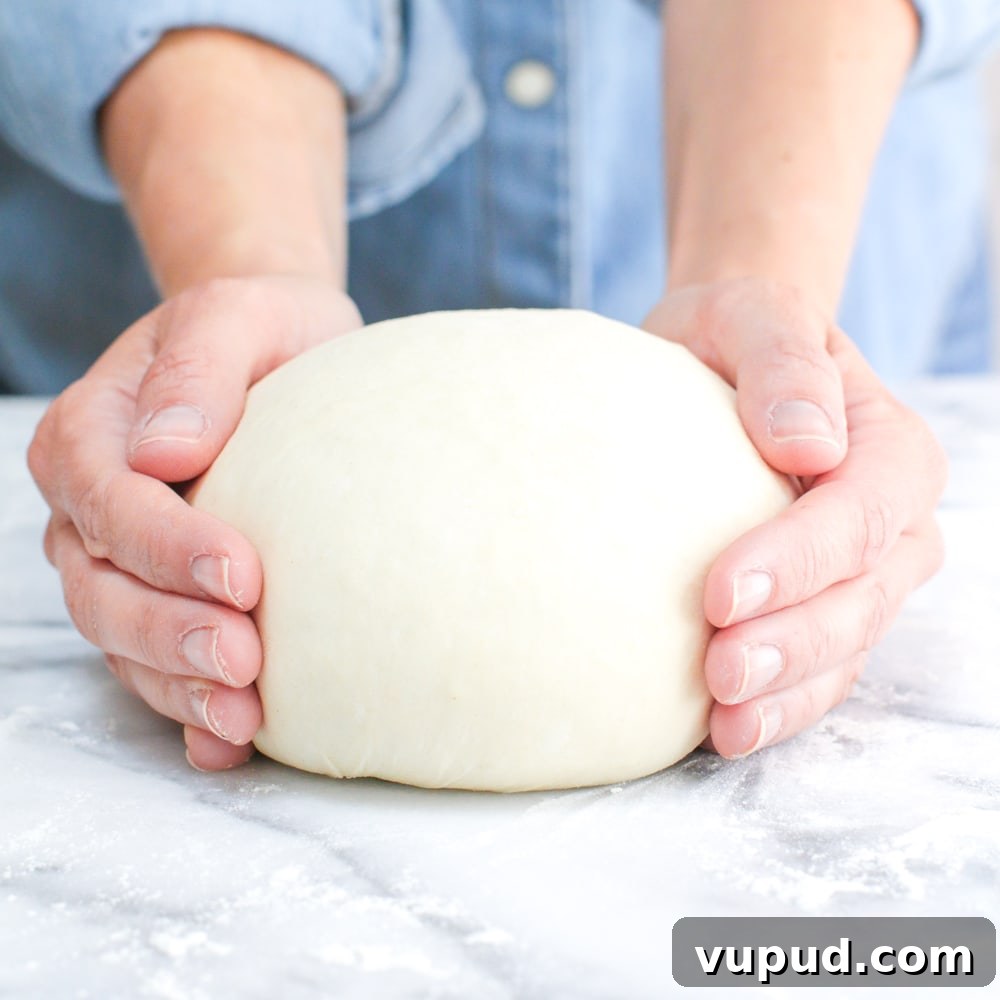
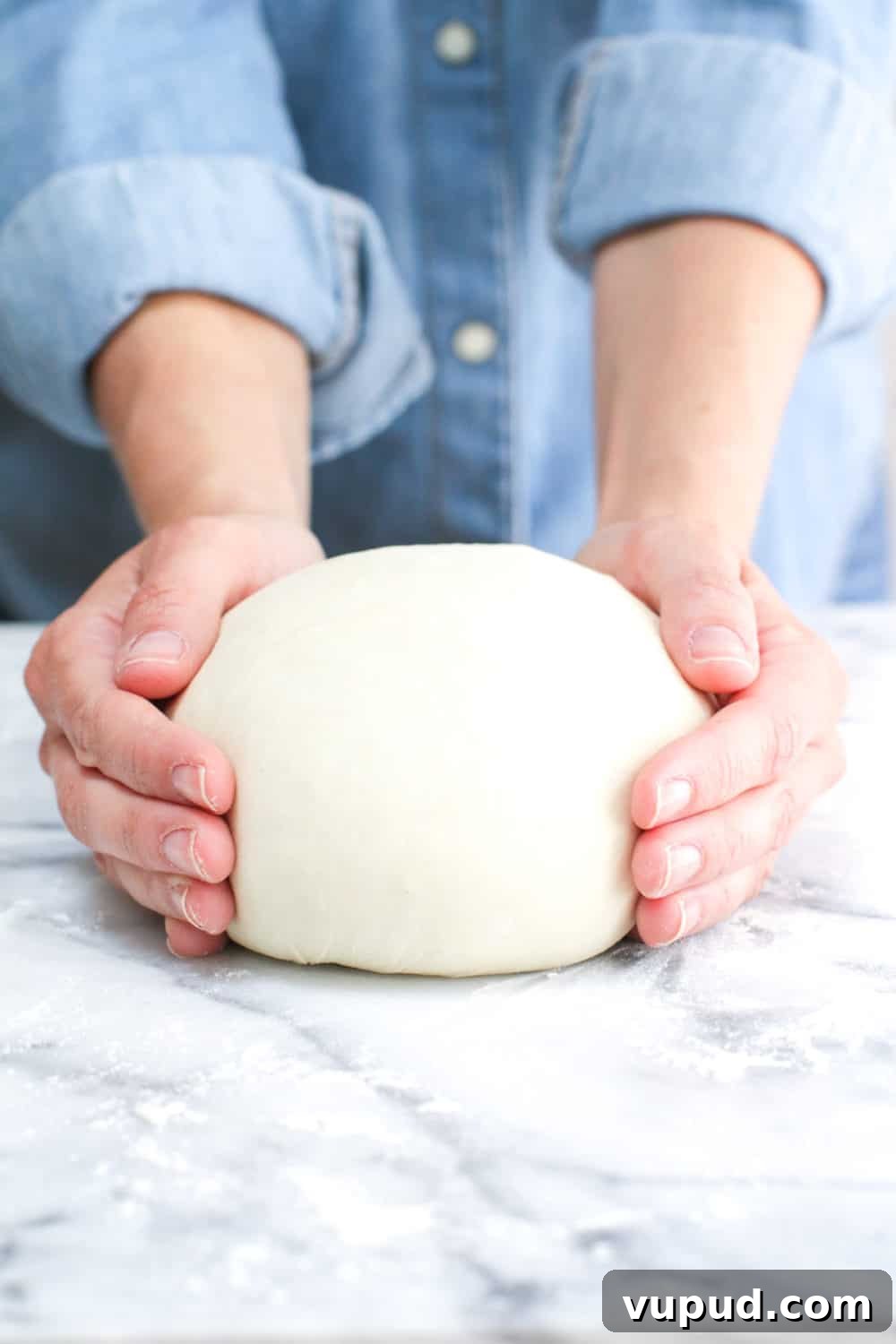
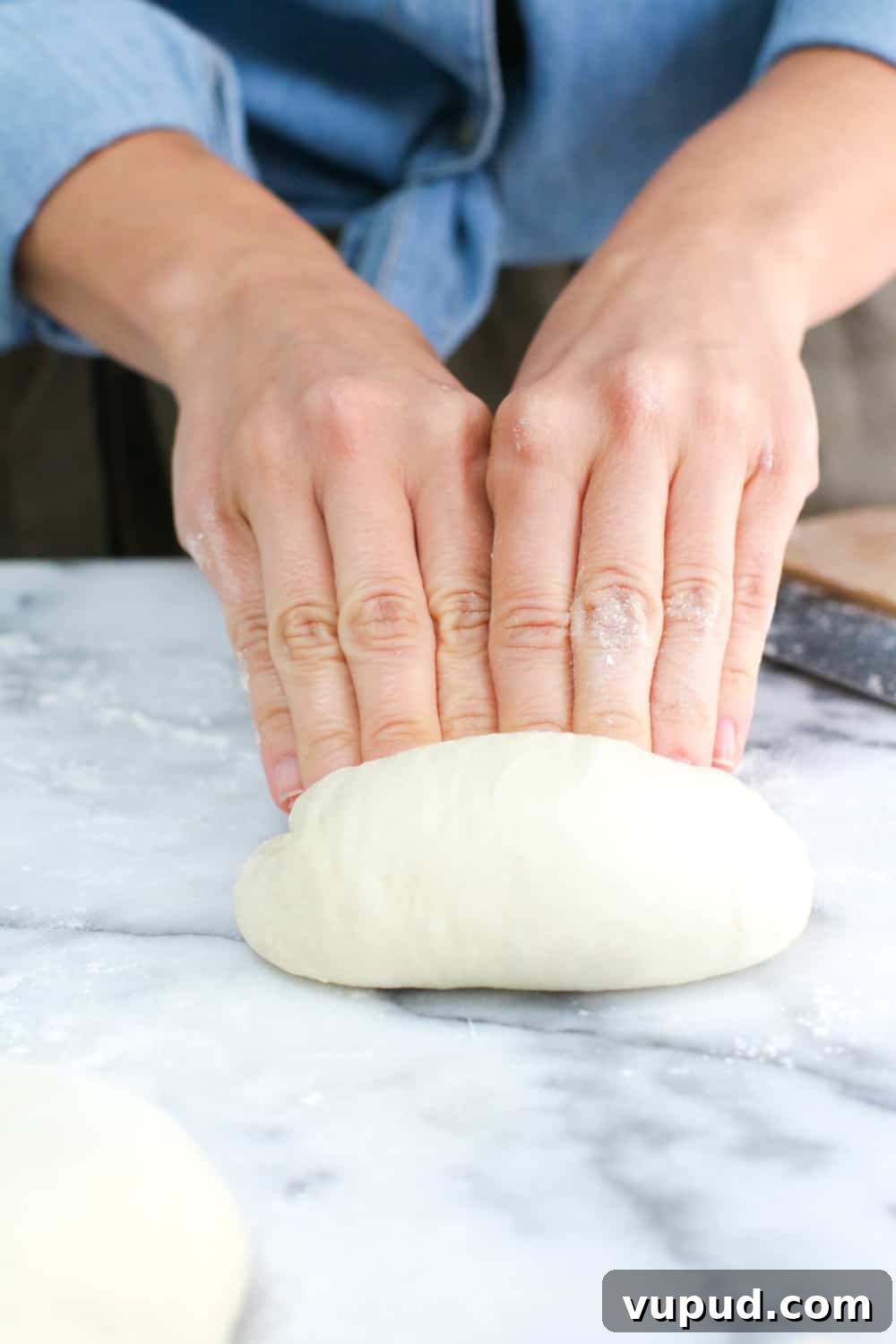
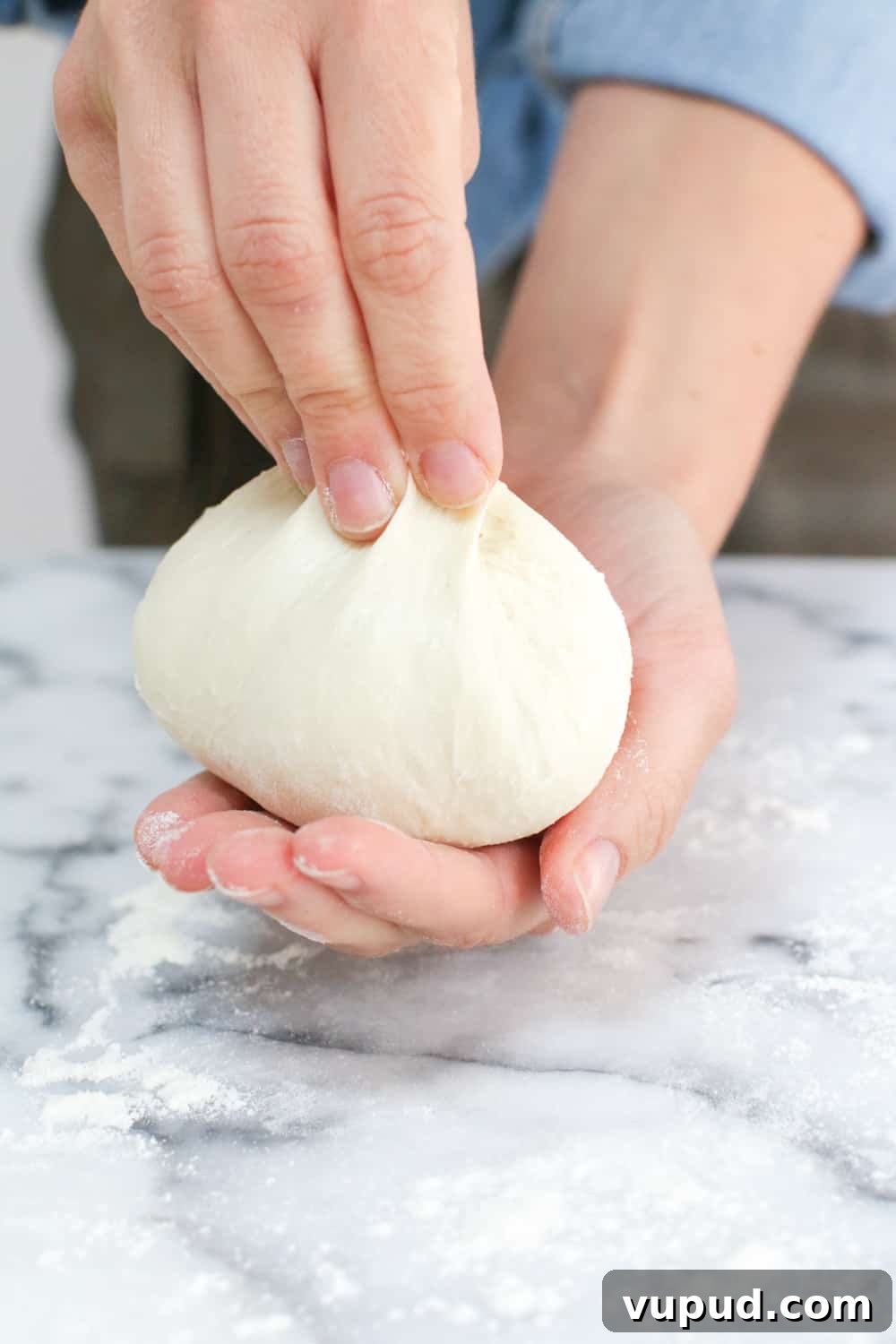
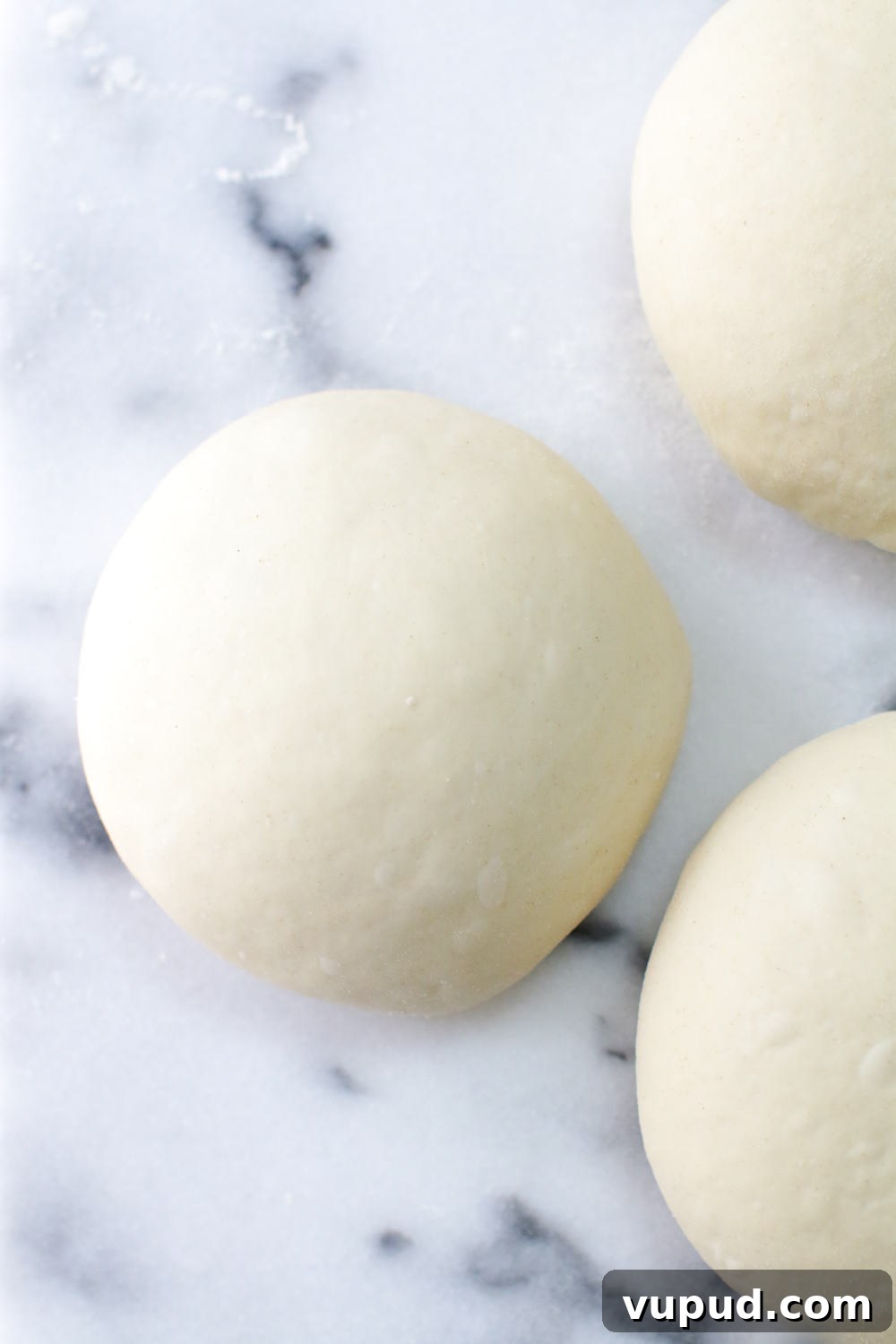
- Shape each portion into a tight dough ball: fold two sides to the center, rotate 90°, repeat until a ball forms. Pinch the seam closed and roll gently into a smooth boule.
- Place shaped dough into well-oiled cylindrical containers (16 oz deli containers work well), label with the date, and refrigerate for 48 hours.
- Remove the dough from the fridge at least 1 hour before using to warm slightly.
Notes
This recipe is adapted from the original 72 Hour Pizza Dough from Baking Steel. The yield is approximately 4 ten-inch pies or 3 larger pies (12–14″).
You can freeze the dough balls after the cold fermentation. Thaw them overnight in the refrigerator before use.