Starting beekeeping can feel both exciting and a little daunting. Whether your goal is to harvest honey, support pollination, or simply enjoy a rewarding outdoor hobby, having the right gear makes the experience safer and more enjoyable. This guide explains essential beginner equipment, why each item matters, and practical tips for managing a healthy hive.
Before purchasing equipment, learn the basic components: the hive itself, protective clothing, the tools used for inspections and maintenance, and a few supportive supplies that keep colonies healthy through changing seasons.
Choosing the Right Hive
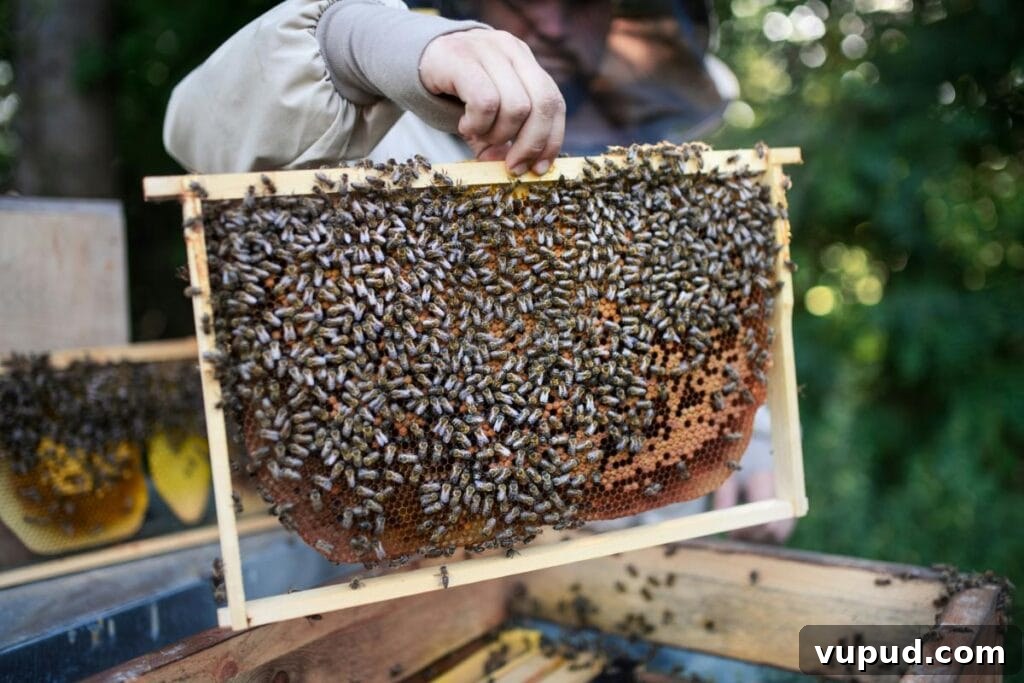
The hive is the bees’ home, where they build comb, raise brood, and store honey. Two popular choices for beginners are the Langstroth and Top-Bar hives. The Langstroth hive is modular, using stacked boxes with removable frames. It’s widely adopted, compatible with most equipment, and convenient for honey extraction and expansion.
The Top-Bar hive is a horizontal design in which bees build comb on individual bars. It is often easier to manage for people who prefer less lifting and a more natural comb structure. Both systems have advantages; choose the one that suits your physical abilities, space, and long-term goals.
Protective Gear for Safe Handling
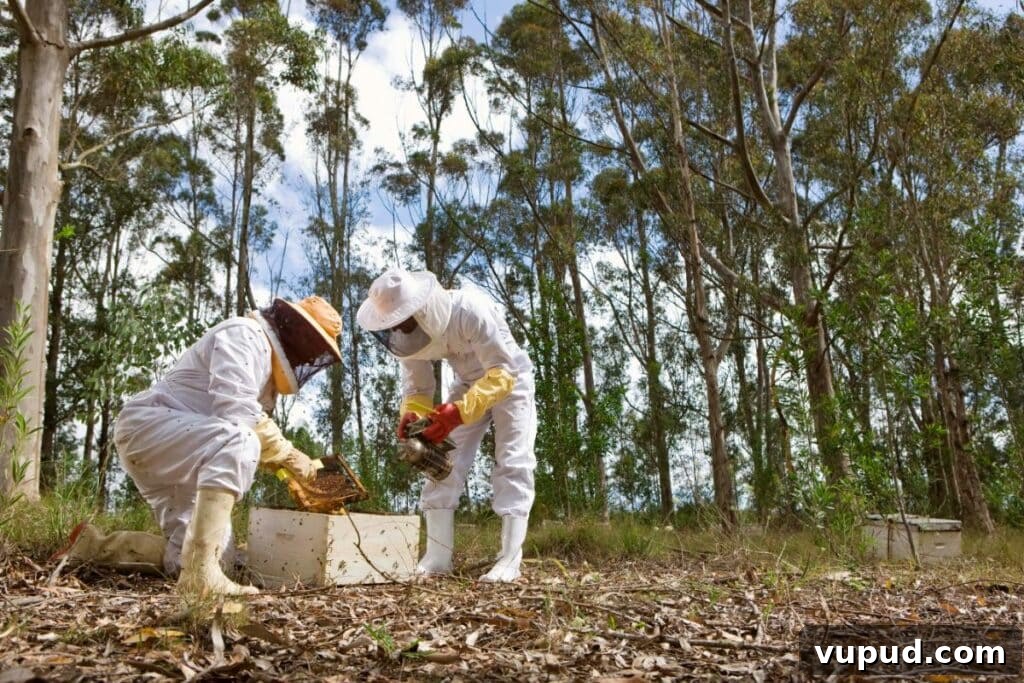
Proper protective clothing reduces the risk of stings and helps you feel confident during hive inspections. Options include full suits with attached veils for complete coverage, or jackets with separate veils for lighter work. Ensure closures fit snugly and ventilation is adequate.
A standalone veil can be useful if paired with thick clothing, but it must seal at the neck. Gloves—leather or nitrile—protect hands while allowing you to handle frames gently. Wear tall, smooth boots and tuck pants into socks or boots to prevent bees from crawling inside your clothing.
Essential Hive Tools
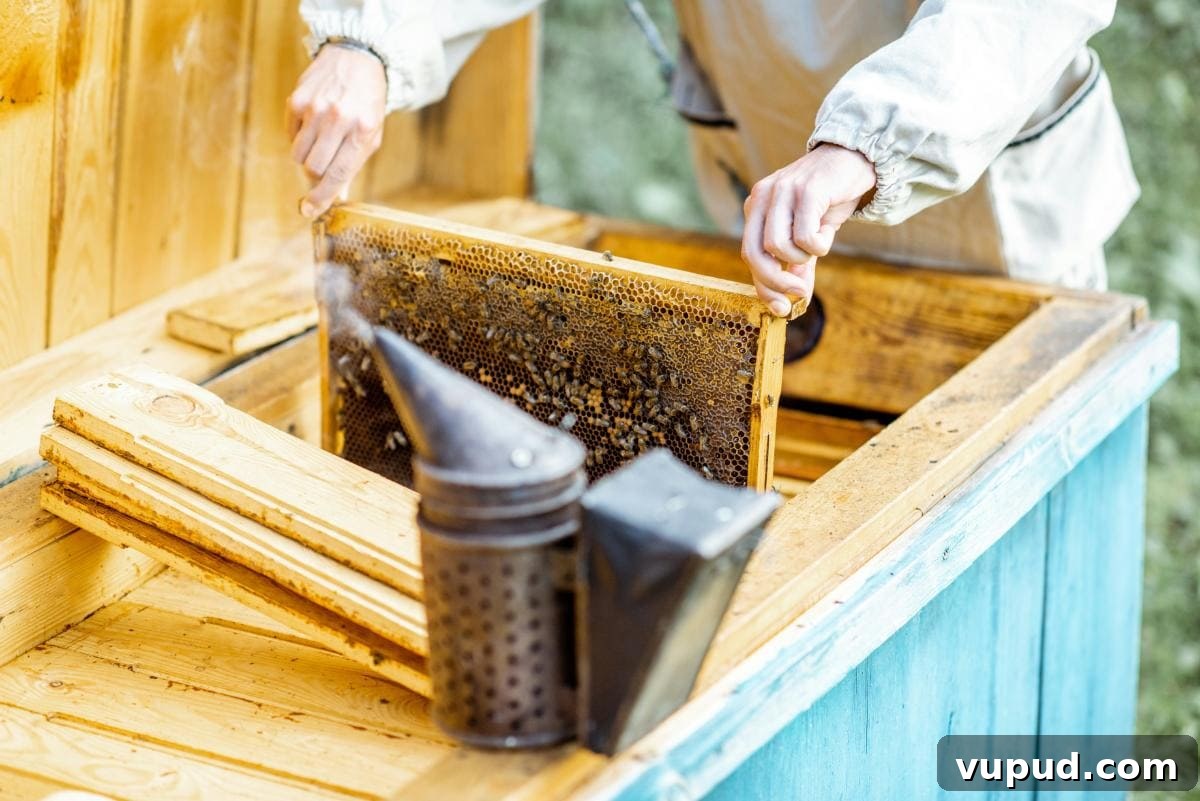
A few basic tools cover most beekeeping tasks. The hive tool is indispensable: it functions as a pry bar to separate boxes, lift frames, and scrape off propolis. A smoker calms bees by masking alarm pheromones and encouraging bees to move away from brood frames during inspections.
Additional useful items include a soft-bristled bee brush for gently removing bees from comb, and a frame grip to lift heavy frames securely. These simple tools reduce stress for both you and the colony during routine checks.
Feeding and Maintenance Supplies
Supporting your bees with feeding and seasonal adjustments helps colonies survive when nectar is scarce. Feeders can be placed inside the hive or at the entrance to provide sugar syrup during dearths or while building up in early spring.
Entrance reducers help control traffic and reduce robbing or drafts in cooler weather. Mouse guards protect against rodents in winter. For pest management, consider screened bottom boards or non-chemical approaches such as powdered sugar dusting to monitor and reduce varroa mites.
Optional Extras as You Progress
As your experience grows, you may add equipment that makes production and management easier. A honey extractor spins frames to remove honey without destroying comb, while uncapping tools prepare frames for extraction. A queen excluder prevents the queen from entering honey supers, keeping harvested honey cleaner.
Other accessories—frame feeders, feeder stands, and specialized boxes—can be chosen based on your climate, colony size, and management preferences.
Practical Tips for Beginners
Begin with one or two hives to keep your workload manageable while you learn. If lifting boxes is difficult, consider a Top-Bar or other horizontal hive that reduces heavy lifts. Invest in durable, well-reviewed tools; they cost more up front but last longer and make tasks easier.
Always wear protective gear, especially when you’re new, to build confidence and avoid injuries. Join a local beekeeping club or group to gain practical, hands-on advice and community support. Keep records of inspections, feeding, queen status, and pest control in a notebook or app—tracking these details helps you learn what works for your apiary over time.
Beekeeping is both productive and calming when approached with the right equipment and mindset. Start with a reliable hive system, proper protective clothing, essential tools, and basic feeding and pest-management supplies. With patience, observation, and ongoing learning, you’ll develop the skills to care for thriving colonies and possibly expand into honey production or pollination services in the future.