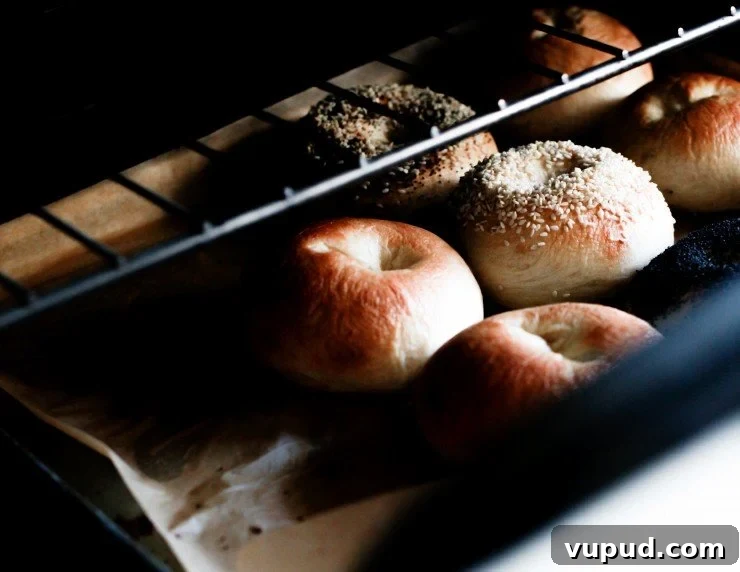
This easy homemade New York‑style bagel recipe delivers chewy, flavorful bagels made from simple pantry ingredients. Follow straightforward steps—mixing, shaping, boiling, and baking—to produce classic bagels with a soft interior and a shiny, slightly crisp crust.
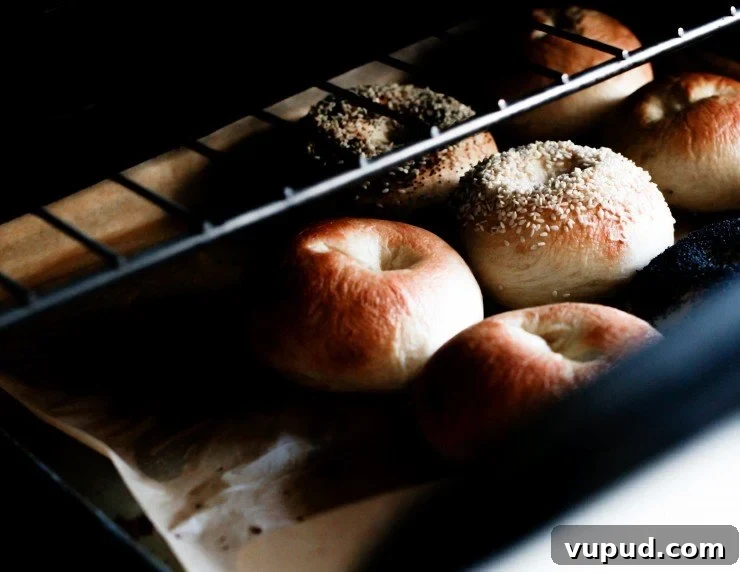
This New York‑style bagel recipe has been refined over many years and updated with photos, tips, and clear instructions to help you achieve reliably excellent results. It’s a same‑day recipe that comes together in about two hours, so you don’t need to dedicate multiple days to make truly great homemade bagels.
As a native New Yorker, I appreciate a proper bagel: modestly sweet, chewy, and with a soft, shiny crust. These bagels are made the classic way by briefly boiling the shaped dough before baking, which creates the signature texture and gloss.
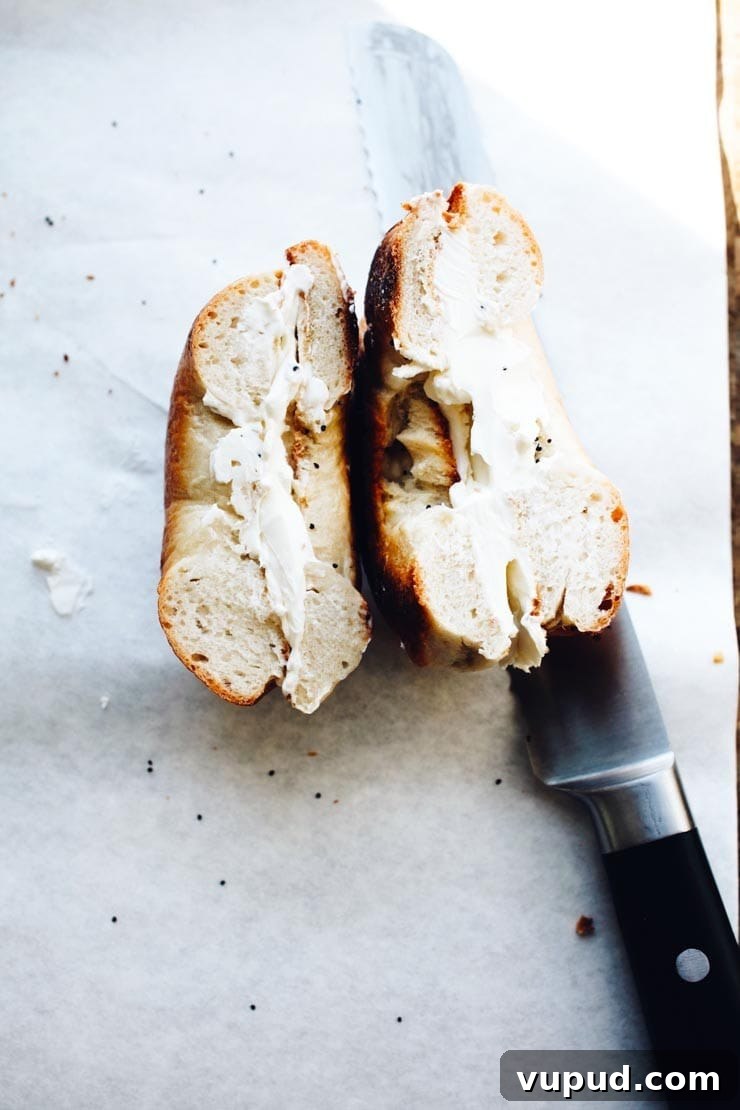
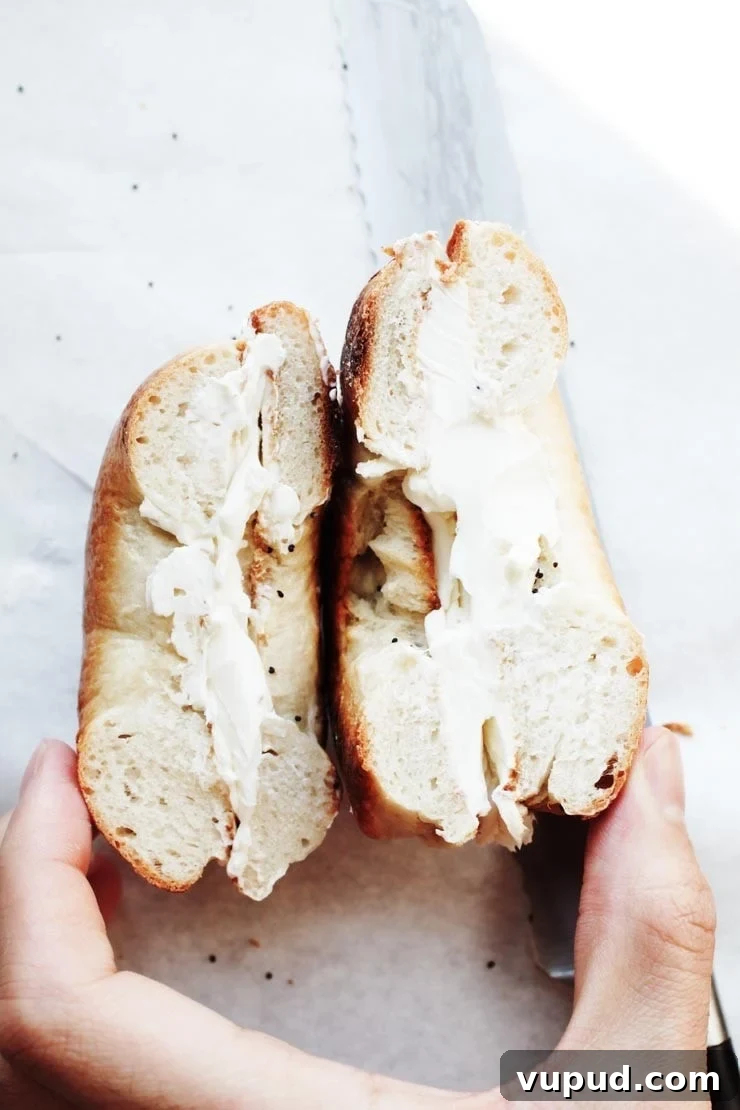
This version avoids unusual ingredients like yogurt or maple syrup—just familiar pantry staples. You can make them with minimal equipment: a mixing bowl (or stand mixer), a large pot for boiling, and a baking sheet. Fresh from the oven they’re wonderful, and they become irresistible when toasted with a generous schmear of cream cheese.
If you can’t find great bagels locally, this recipe is adaptable and worth the small extra effort. Make a batch and you’ll likely keep coming back to it.
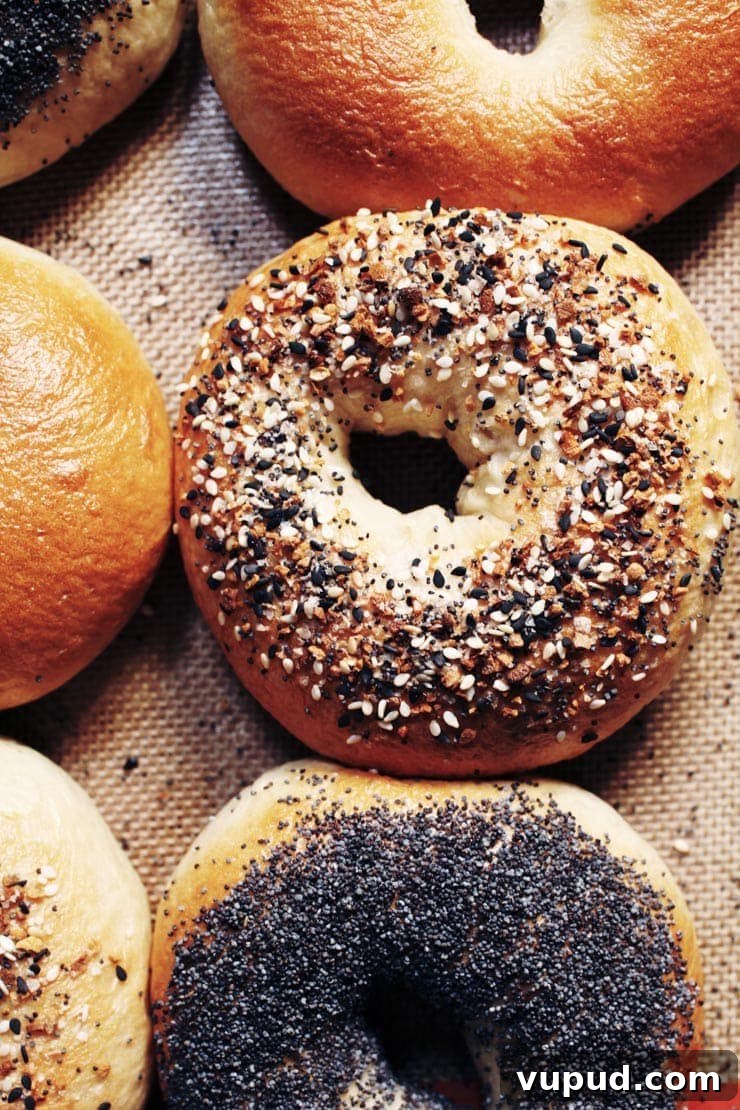
After you make these bagels, you’ll understand why they’re so popular—chewy, well‑flavored, and satisfying. Whether you serve them plain, topped, or toasted with cream cheese and lox, they’re a versatile staple for breakfasts and sandwiches.
Homemade Bagel Recipe Ingredients
This recipe breaks down into four parts: the dough, shaping and boiling, toppings, and serving. The core ingredients are simple and easy to find.
The Bagel Dough
- Granulated sugar – adds a touch of sweetness and helps activate the yeast.
- Active dry yeast – the leavening agent for the dough. Instant yeast can be substituted one‑for‑one.
- Luke warm water – about 105–115°F (40.5–46°C) to activate the yeast. The exact amount may vary by humidity and flour; the goal is a moist, firm dough.
- Bread flour – high protein content yields a chewier bagel. All‑purpose flour works too, though the texture will be slightly less chewy.
- Fine‑grain sea salt – balances and enhances flavor.
Shaping and Boiling the Bagels
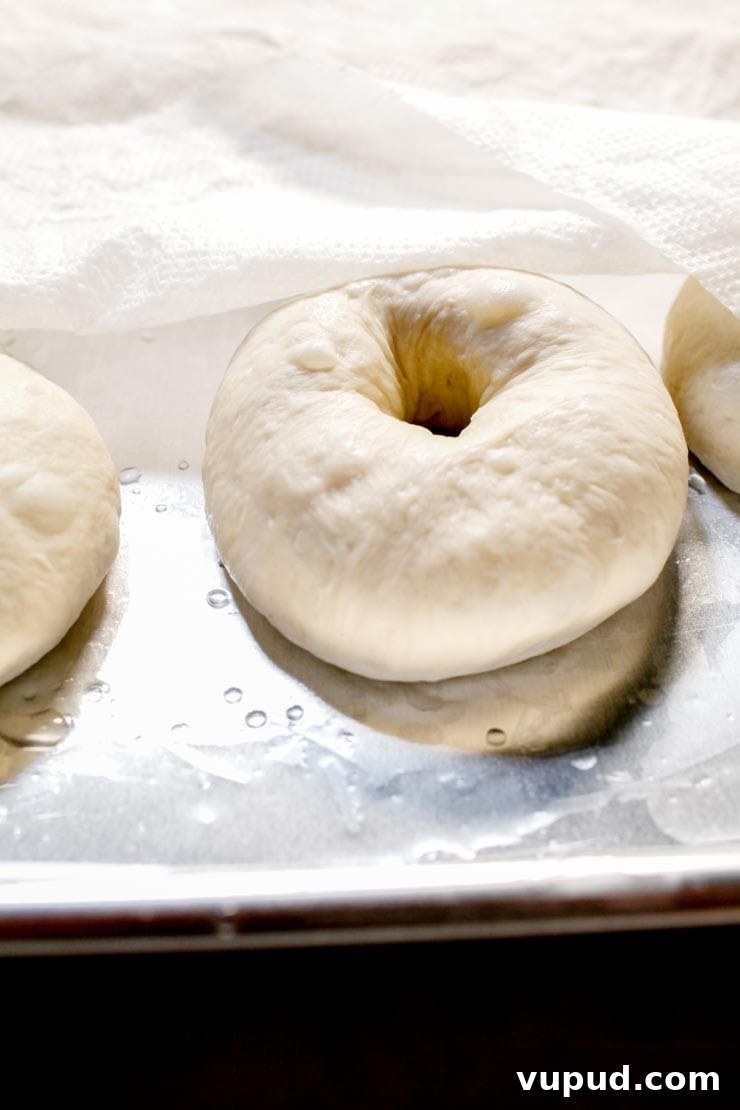
There are several ways to shape bagels; this method forms smooth rounds, then creates the hole by pressing a floured finger through the center and stretching gently. After a short rest the bagels are boiled briefly, which sets the crust and creates the classic chew and sheen.
You can flavor the poaching water with barley malt, brown sugar, or honey for a sweeter shinier crust, but plain water works well every time.
Bagel Toppings
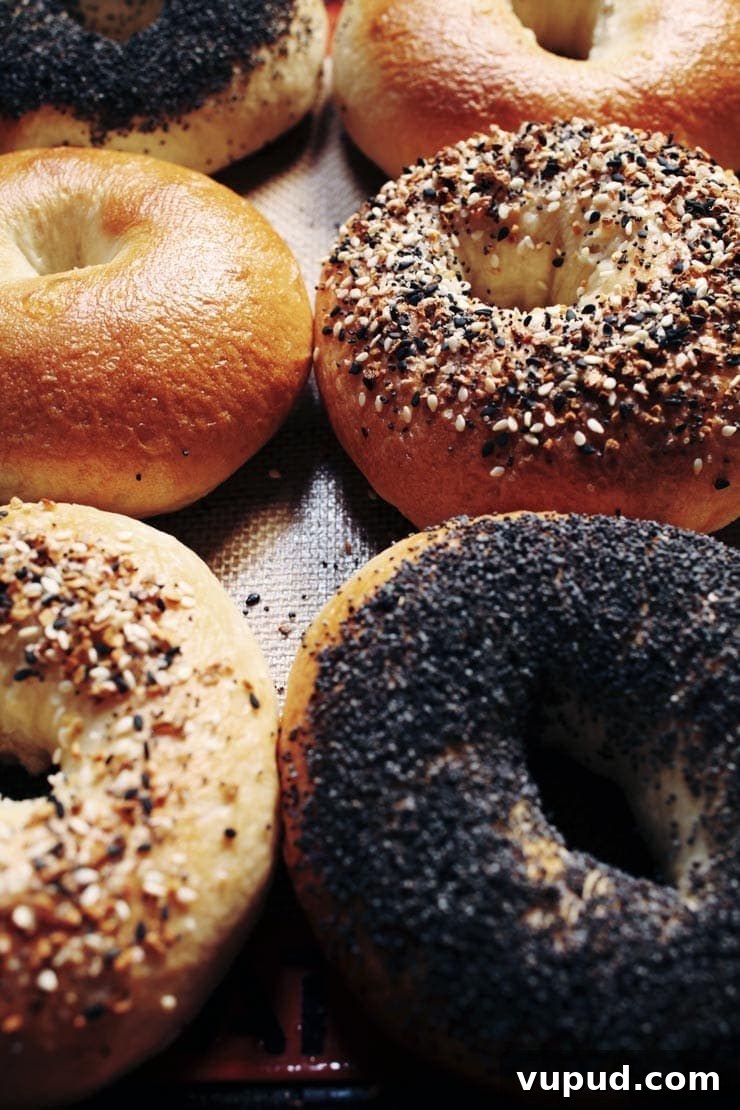
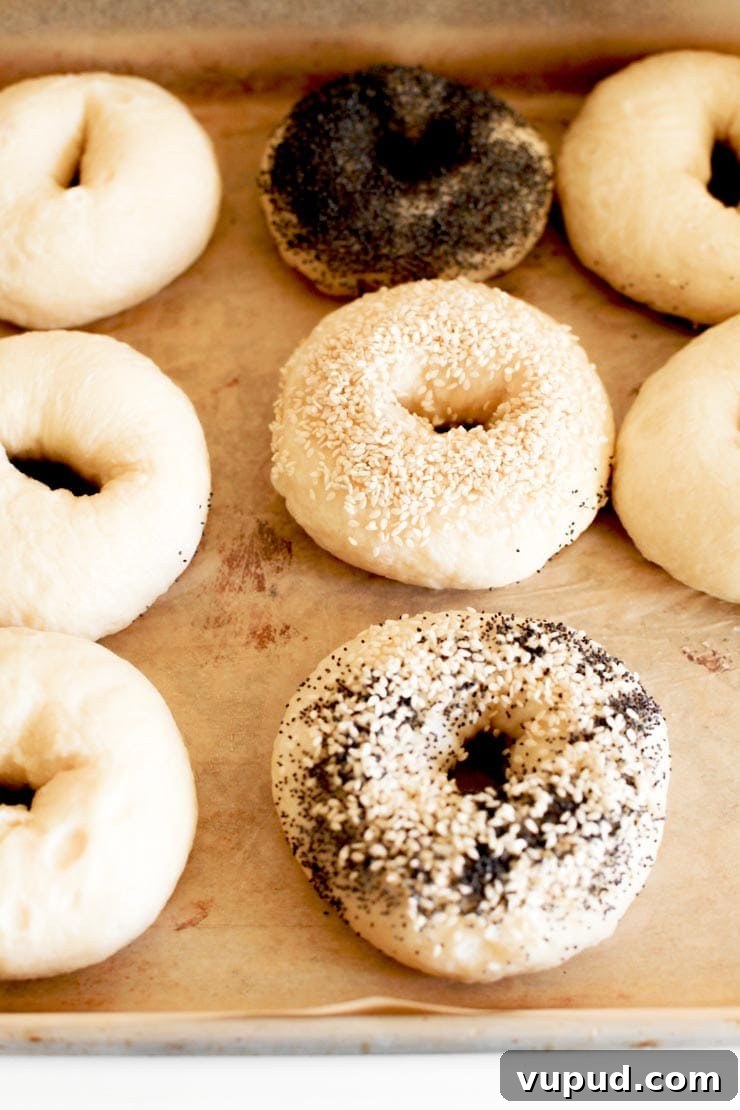
Toppings are flexible: everything seasoning, poppy or sesame seeds, minced onion or garlic, caraway, coarse salt, or sweet options like cinnamon sugar. Add toppings immediately after boiling so they adhere well.
What to Serve the Bagels With
A classic New York serving is a generous schmear of cream cheese. Other favorites include lox with tomato and onion, avocado, butter and jam, or a deli‑style egg and cheese sandwich. Toasting intensifies the texture and flavor.
How to Make Homemade New York‑Style Bagels
Proof the yeast: dissolve sugar and yeast in 1/2 cup warm water and let it sit 5 minutes until bubbly.
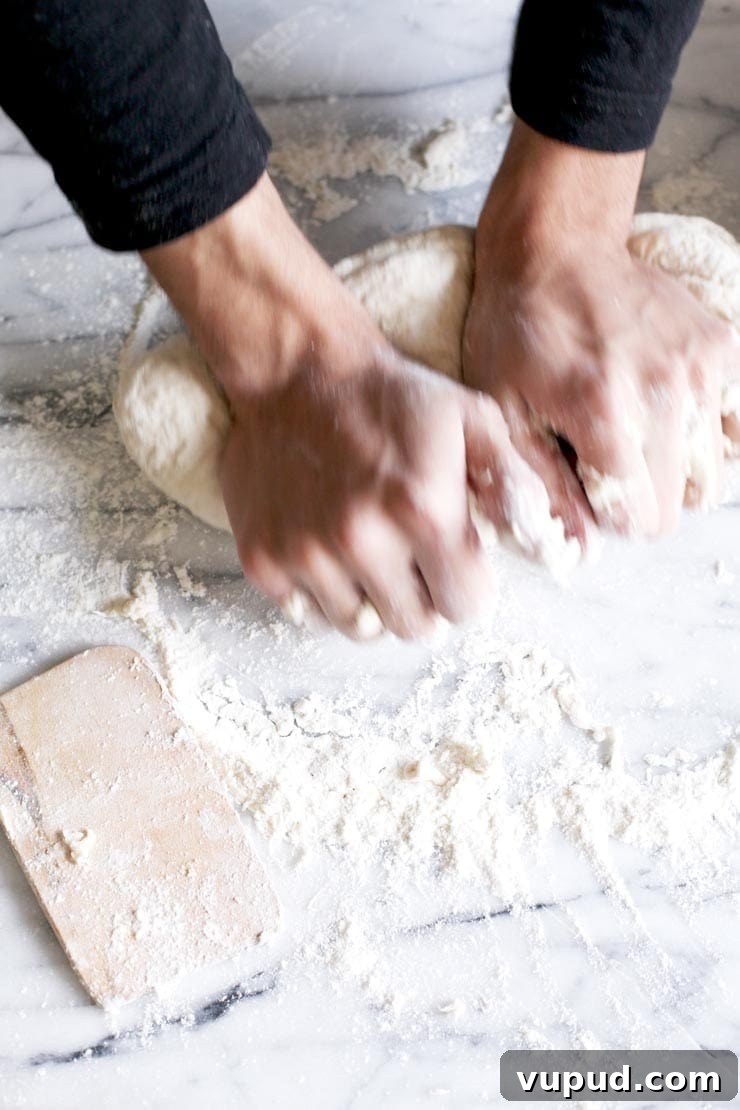
Mix the dough: combine flour and salt, add the yeast mixture and most of the remaining warm water, and mix until the dough is moist and firm. Knead by hand about 10 minutes until smooth and elastic, or knead in a stand mixer with a hook on low for 5–6 minutes.
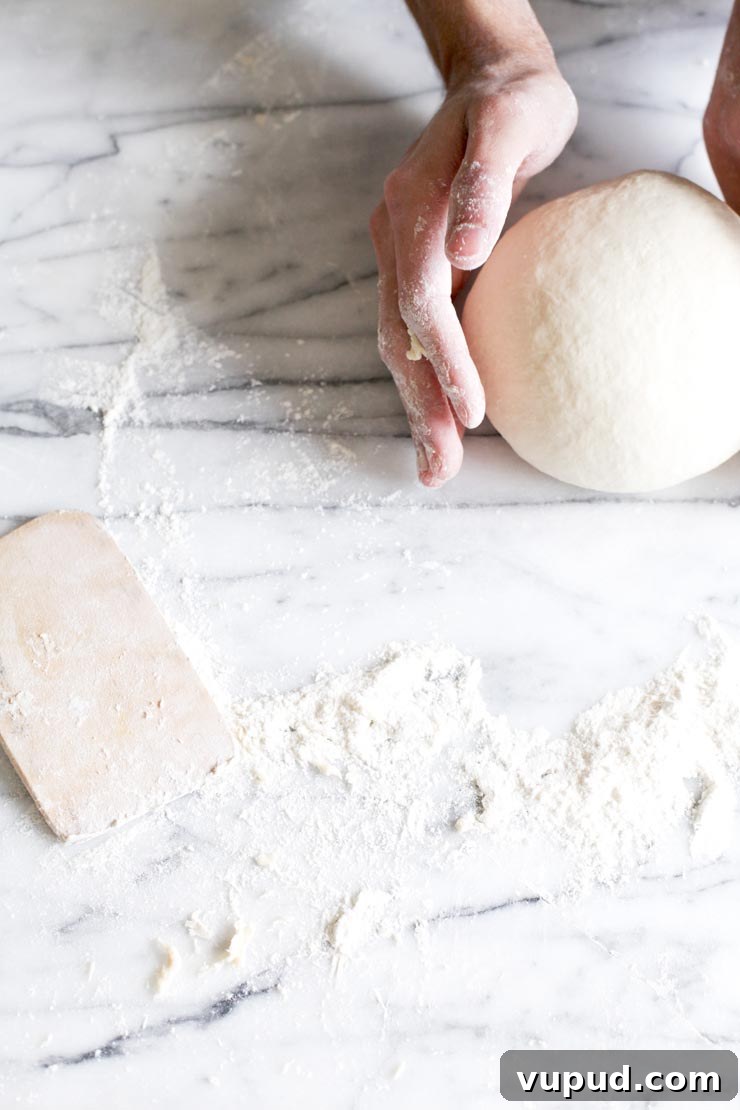
Place the kneaded dough in an oiled bowl, cover, and let rise about 1 hour (longer if using less yeast) or refrigerate overnight for a cold rise. If refrigerated, allow the dough to come to room temperature for about 30 minutes before shaping.
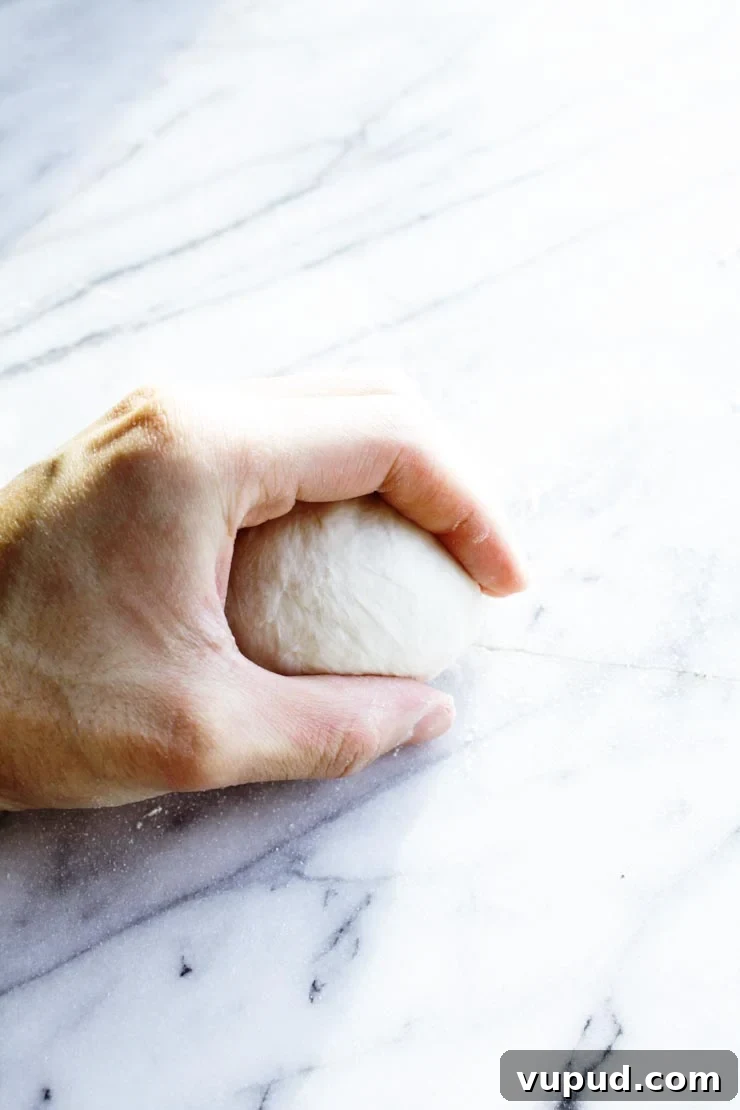
Divide and shape: deflate the dough and divide into eight even portions. Shape each portion into a smooth round by cupping and rolling against the work surface without adding extra flour.
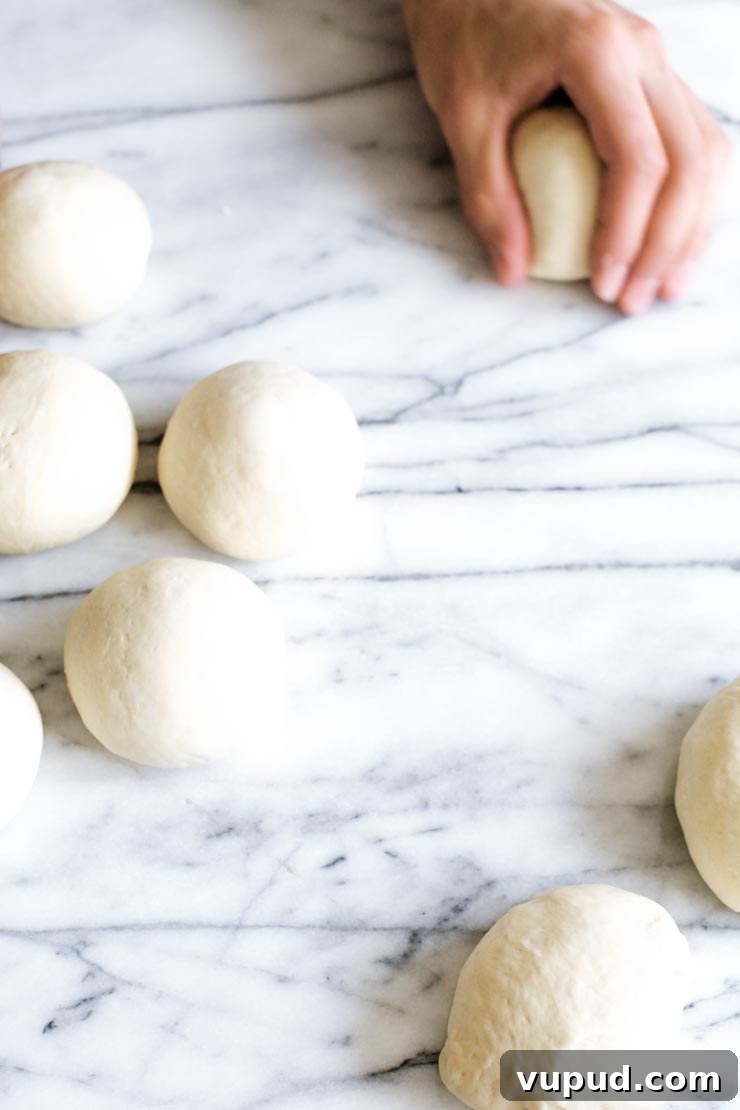
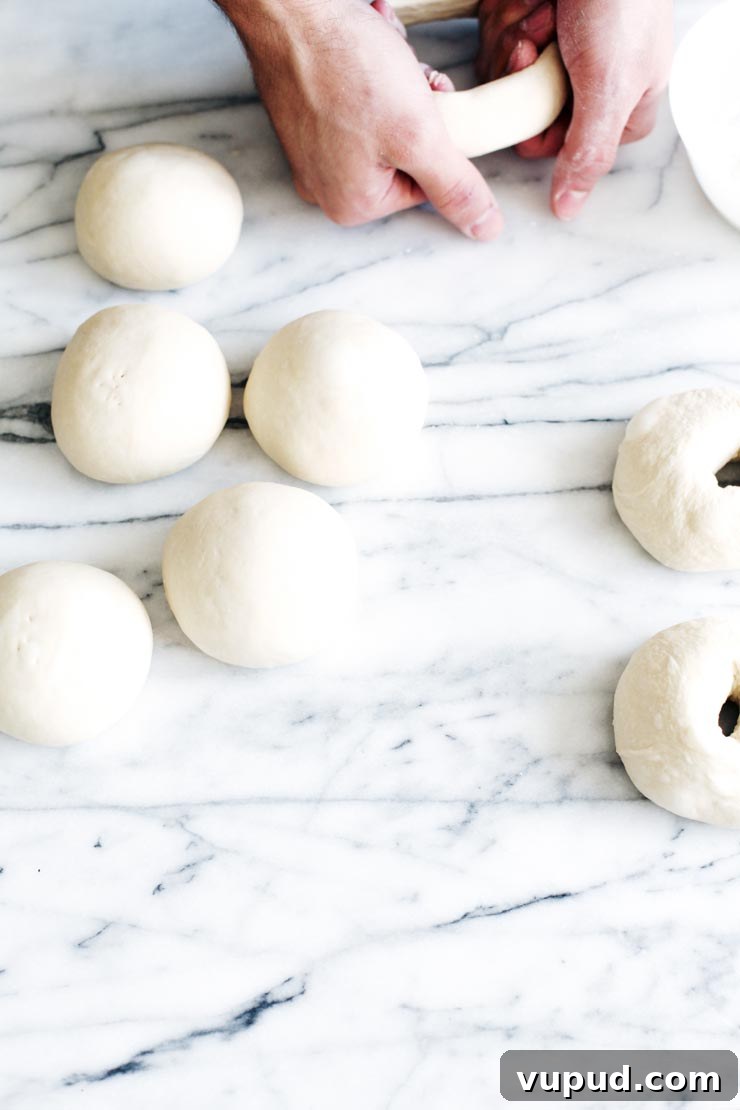
Create the holes: dust a finger with flour, press into the center of each round, and stretch to approximately one‑third the final diameter. Place shaped bagels on a prepared baking sheet and let rest briefly.
Boil the bagels: bring a large pot of water to a boil, reduce to a simmer, and carefully lower a few bagels at a time into the water. They will float quickly—poach 1 minute per side for a standard chew, or 2 minutes per side for a firmer, chewier crust. Remove with a slotted spoon.
Top and bake: add toppings after boiling while the surface is still wet so they stick. Bake at 425°F (220°C) for 20–25 minutes until uniformly golden brown.
Cool briefly: let bagels cool a few minutes before handling. They are delicious warm with cream cheese—if you can’t resist, slice and spread right away.
Serving Suggestions
Classic and tasty combinations:
• Bagel with cream cheese – plain or flavored, the traditional schmear.
• Bagel with butter – especially with high‑quality butter.
• Bagel with butter and jam – a sweet breakfast favorite.
• Bagel with lox – cream cheese, lox, tomato, red onion, cucumber, and capers.
• Bagel with avocado – mashed avocado, seasoning, and optional bacon.
• Bagel with egg and cheese – New York deli style: toast, butter, egg and melted cheese, add bacon or sauces as desired.
More Everyday Baking Recipes
- New York‑Style Soft Pretzels
- Cinnamon Sugar Soft Pretzels
- Perfect Chocolate Cupcakes
- The Best Raspberry and Cream Scones
- Incredible Profiteroles
- Strawberry Pavlova
New York-Style Bagel Recipe
Flavorful, modestly sweet bagels with a chewy interior and shiny crust. These are boiled briefly before baking to create the classic New York texture.
20 minutes
20 minutes
1 hour 20 minutes
2 hours
Ingredients
- 2 teaspoons / 6 g active dry yeast
- 4 ½ teaspoons / 19 g granulated sugar
- 1 ¼ cups / 300 ml warm water (you may need ± ¼ cup / 60 ml more)
- 3 ½ cups / 440 g bread flour or high gluten flour (you may need up to 1/2 cup / 60 g for kneading)
- 1 ½ teaspoons / 6 g salt
- Optional toppings: see notes
Instructions
- In ½ cup / 120 ml of the warm water, pour in the sugar and yeast. Let sit 5 minutes until bubbly, then stir until dissolved.
- Mix the flour and salt in a large bowl and make a well. Pour in the yeast mixture.
- Add 1/3 cup / 80 ml warm water to the well and combine, adding more of the remaining water as needed until the dough is moist and firm.
- On a floured surface, knead about 10 minutes until smooth and elastic, or use a stand mixer with a hook on low for 5–6 minutes.
- Lightly oil a bowl, place the dough inside, cover, and let rise in a warm place until doubled (about 1 hour). Punch down and rest 10 minutes.
- Divide dough into eight pieces and shape into smooth rounds.
- Coat a finger with flour, press into the center of each round to form a ring, and stretch to about ⅓ the final diameter. Place on a lightly oiled baking sheet.
- Cover and let rest 10 minutes while preheating the oven to 425°F / 220°C.
- Bring a large pot of water to a boil, reduce to a simmer, and lower bagels in a few at a time. Poach 1 minute per side (2 minutes per side for an extra‑chewy crust).
- Add toppings immediately after removing bagels from the water, or use an egg wash to help toppings adhere.
- Transfer bagels to an oiled or parchment‑lined baking sheet and bake 20–25 minutes until golden brown.
- Cool on a wire rack briefly before slicing. Serve warm with cream cheese or your favorite toppings.
Notes
Optional Toppings:
Caraway seeds, cinnamon sugar, coarse salt, minced fresh garlic or onion, poppy seeds, sesame seeds, everything bagel seasoning, or a combination to create your own blend.
Water measurement & dough texture:
The listed water amount is a guideline. Environmental factors and flour brand affect how much water you need. Aim for a homogeneous, smooth dough that is moist but firm. If too dry, add small amounts of water while mixing.
Nutrition Information:
Yield:
8 Medium-Sized Bagels
Serving Size:
1 Bagel
Amount Per Serving:
Calories: 228.4Trans Fat: 1.4gCholesterol: 0mgSodium: 441mgCarbohydrates: 44.4gFiber: 1.7gSugar: 2.4gProtein: 6g
New York‑Style Bagel Recipe: Frequently Asked Questions (FAQs)
Below are common questions and concise answers about yeast choices, flour substitutions, shaping, storage, and other practical concerns to help you make the best bagels possible.
The Yeast
Yes. Fresh (cake) yeast can be used at about 2.5 times the active dry yeast weight (roughly 15 g fresh for this recipe). Fresh yeast usually does not require proofing, so you can mix it directly with the flour following manufacturer guidance.
Yes. Substitute instant yeast in an equal amount and mix it directly with the dry ingredients—there’s no need to proof it first.
Reduce active dry yeast to 1 teaspoon and allow a longer rise (about 2 hours) to develop flavor without an overly yeasty profile.
Types of Flour
Yes. Use a 1:1 gluten‑free flour blend and handle the dough gently. Many bakers have success without kneading; mix until combined, let it rise, shape carefully, and follow the same boiling and baking steps.
Yes. All‑purpose flour works and yields delicious bagels, though they may be slightly less chewy. Adding a small amount of vital wheat gluten to all‑purpose flour can boost chewiness.
Yes. For whole‑wheat, replace up to half the flour with whole‑wheat flour. Spelt can also be used; readers report success using mixtures or even 100% spelt with good results.
Preparation
Aim for 105–115°F (40.5–46°C) for activating active dry yeast.
Yes. Use the dough hook on the lowest mixer speed for 5–6 minutes. Bread machines can mix the dough—follow your machine’s instructions for dough cycles.
Overhandling or harsh handling causes wrinkled surfaces. Be gentle when shaping, and avoid boiling at a vigorous rolling boil; a gentler simmer produces smoother results.
Add barley malt or a small amount of honey or brown sugar to the boiling water (or barley malt to the dough) to boost shine and a touch of sweetness.
No. Egg wash adds extra sheen but is not required. Toppings stick best when applied right after boiling while the surface is wet.
Use parchment paper, a silicone baking mat, or lightly oil the baking sheet. Oiling parchment adds extra nonstick protection.
Make Ahead and Storage
Yes. A cold rise in the refrigerator overnight develops deeper flavor. Allow the dough to warm about 30 minutes at room temperature before shaping.
Yes. Par‑bake 10–15 minutes, cool, and freeze. From frozen, bake an additional 10–15 minutes until golden. Fully baked bagels freeze well—slice before freezing for easy toasting.
Stored in a resealable bag at room temperature, bagels stay good for up to two days. For longer storage freeze as described above.
Updated February 9, 2026 – This recipe and its guidance have been refreshed with new photos and clarifications. If you have more questions, try the FAQ here or test variations to suit your taste.
Have another question? Leave a comment below.