If you’ve never tasted keema, the richly spiced Indian-style ground beef, you’re missing out on a lot of flavor. Every family makes it a little differently—I have a few versions myself—but for samosas I aim to recreate a particular, familiar taste.
The first time I had keema was at a suhoor when I stayed overnight with a Pakistani family. They served finely ground beef with freshly made chappatis and sweet carrot halwa. The aroma and flavor were unforgettable. That meal left me energized and ready for a day of fasting during Ramadan.
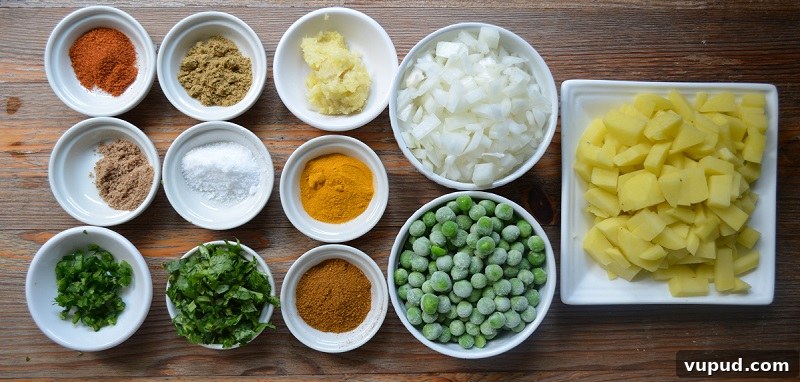
For samosas—similar to Latin-style empanadas—I use a set of common spices and ingredients. Peas and potatoes aren’t mandatory in keema, but I like them in samosas; you can omit them or use only potatoes if you prefer. I bake these samosas instead of frying them.
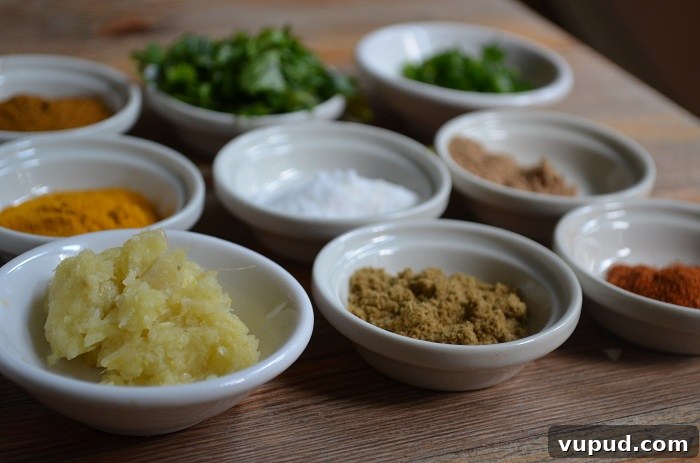
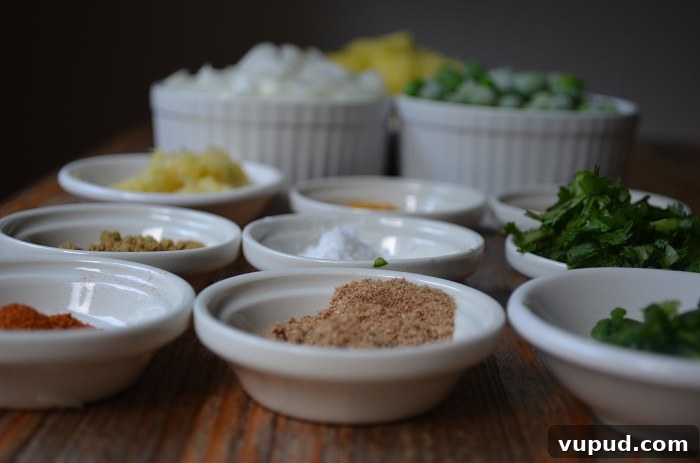
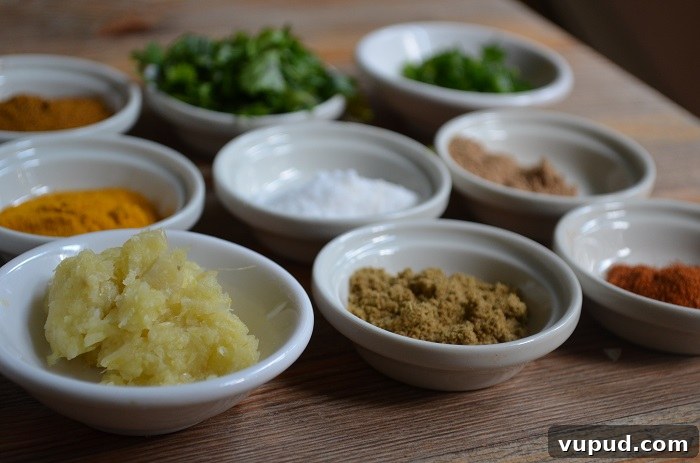
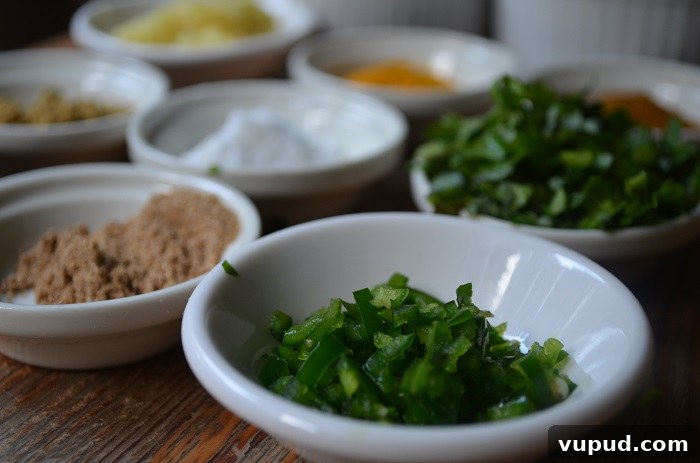
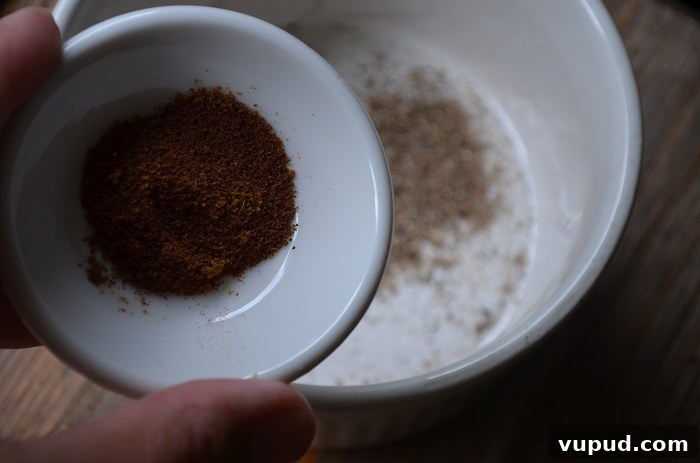
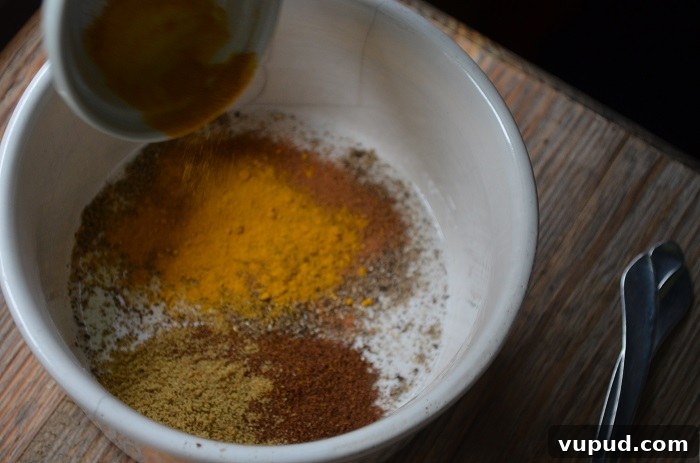
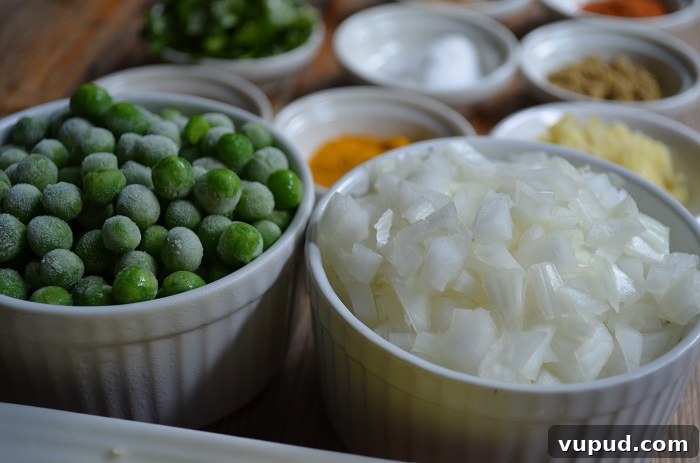
Spices I use: garam masala (a blend that can include black peppercorns, cardamom, mustard seeds), cumin powder, turmeric, chili powder, coriander powder and salt. Fresh ingredients: garlic-ginger paste, chopped jalapeño or green chili, cilantro, yellow or white onion, diced Yukon Gold potatoes and frozen peas.
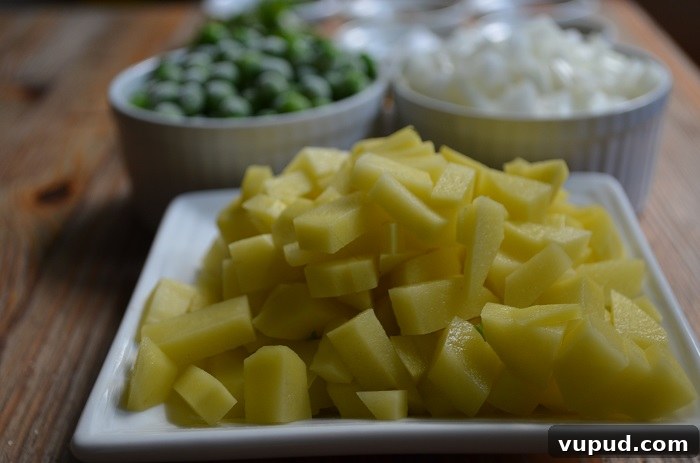
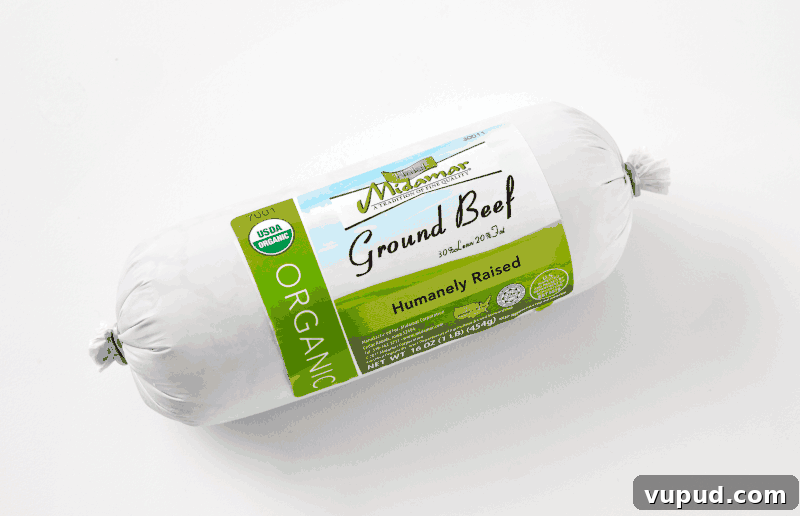
Choose a good quality dhabiha halal ground beef for keema. In my recipe I use Midamar Halal’s USDA organic beef.
Tip: If you don’t have a meat grinder but want very fine beef, use a potato masher while cooking to break the meat into smaller pieces. If your recipe includes potatoes, avoid mashing them unintentionally.
I usually make fresh garam masala, but you can buy pre-made blends at most Indian stores. I grind my spices in a coffee grinder and clean it between uses with a piece of fresh bread to avoid flavor transfer.
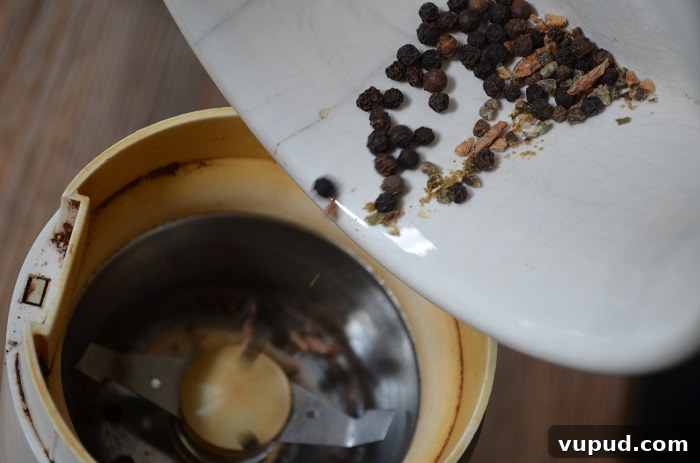
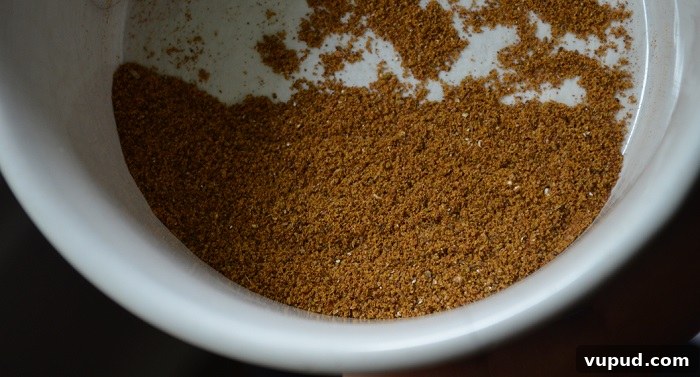
Once the spices are ground, mix them together so they’re ready to add to the meat while it cooks. Having the spice blend prepared ahead makes seasoning easier and ensures consistent flavor throughout.
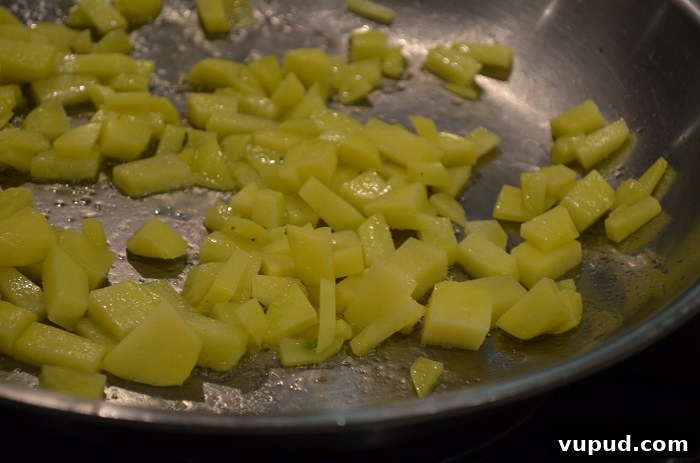
To make the keema, heat oil gently—olive or vegetable oil works. If you include potatoes, add a pinch of salt to the oil; it helps the potatoes release and prevents sticking in a nonstick pan.
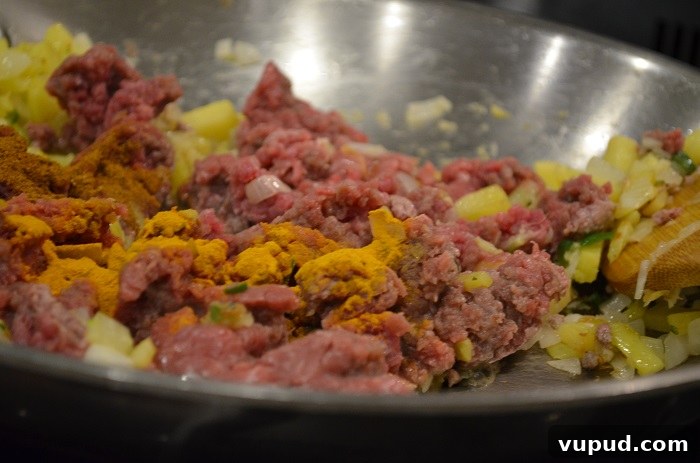
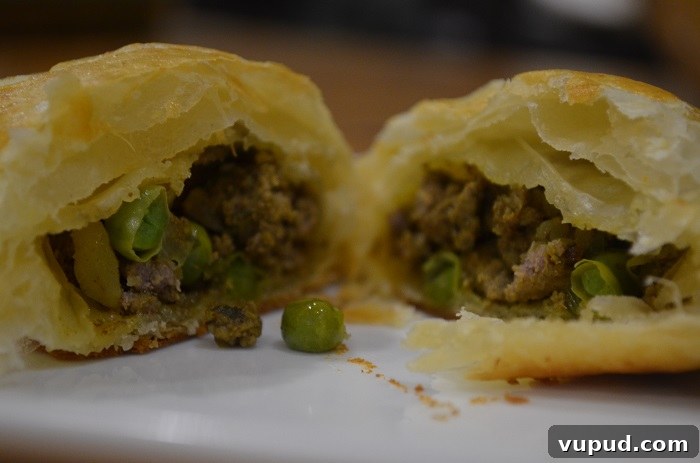
When the oil is hot but not smoking, add the diced potatoes. Cook them for about 4–5 minutes, moving them with a spatula so they don’t stick. Next, add the onion and cook until translucent, then add the ground meat and all the spices. Break the meat up as it cooks so it becomes very fine.
The frozen peas should be added last so they stay firm and don’t turn mushy. After the meat has cooked and been broken up for about 15 minutes, stir in the peas and cook briefly until heated through.
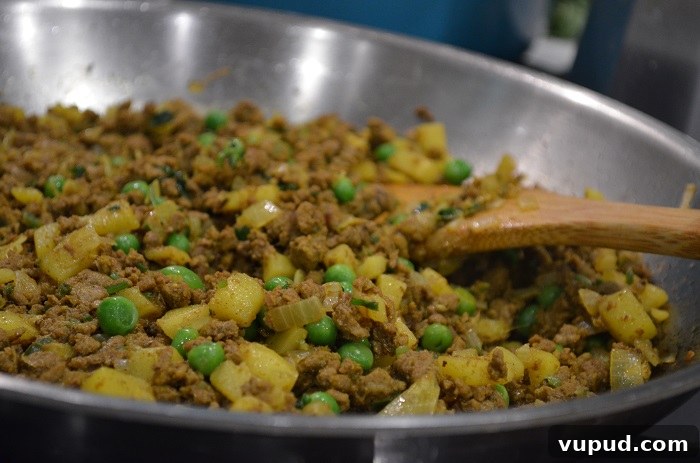
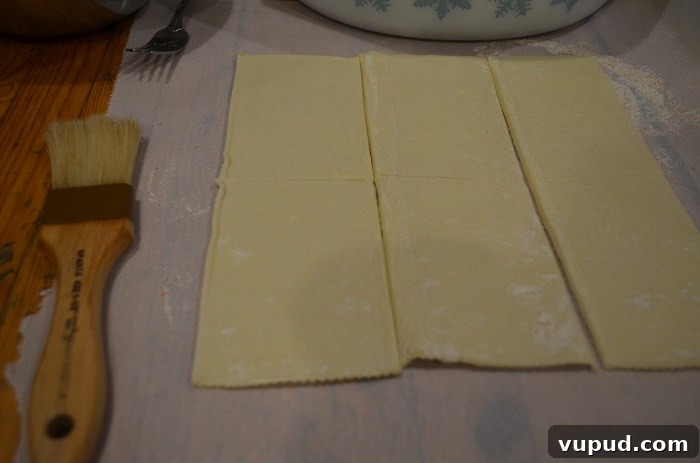
Once the filling has cooled, prepare puff pastry sheets for assembly. One package of puff pastry yields about 12 turnovers; use two packages if you want to use all the meat. Cut each sheet into six pieces.
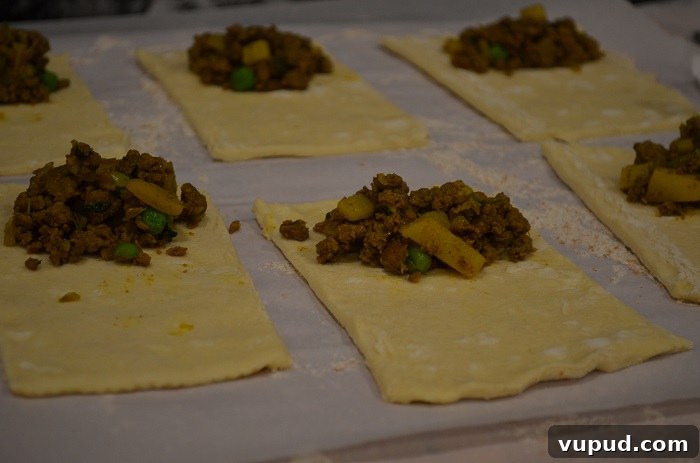
Place about 2 tablespoons of the cooled filling in the center of each pastry square. Fold each square over and crimp the edges with a fork to seal.
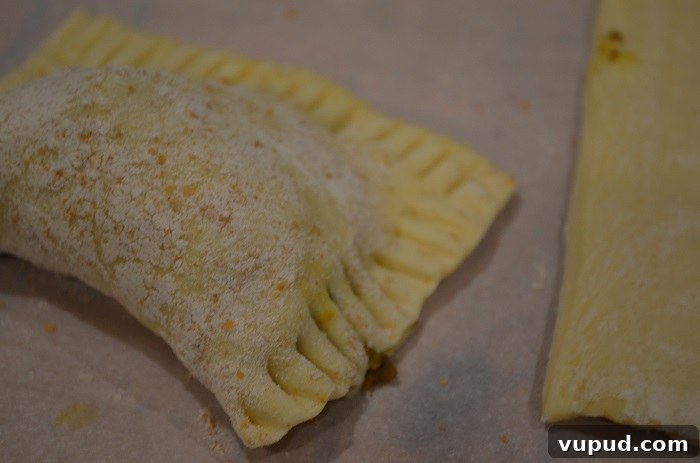
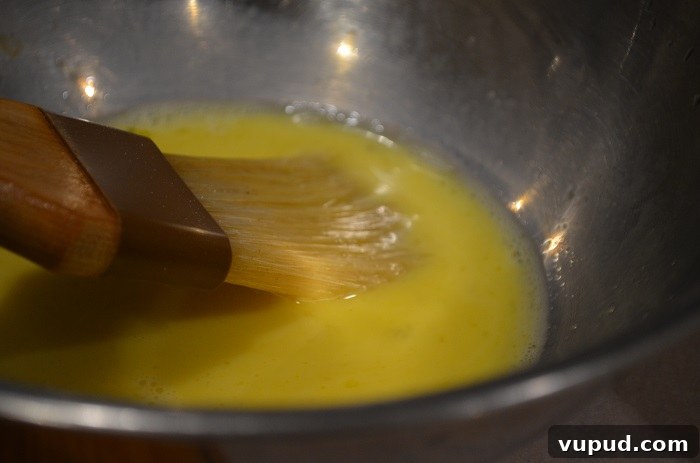
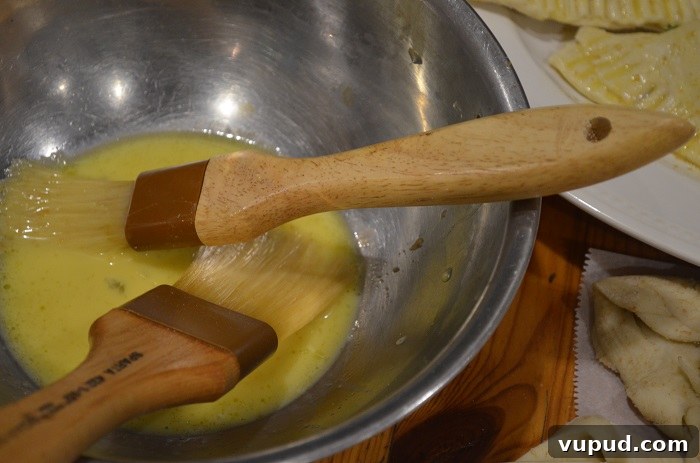
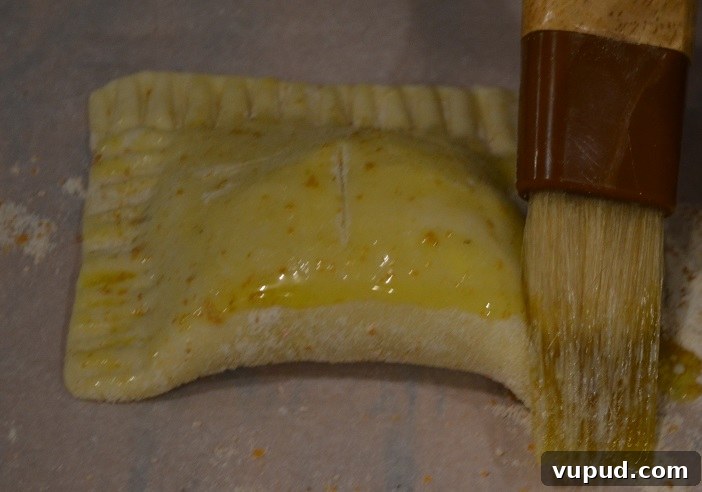
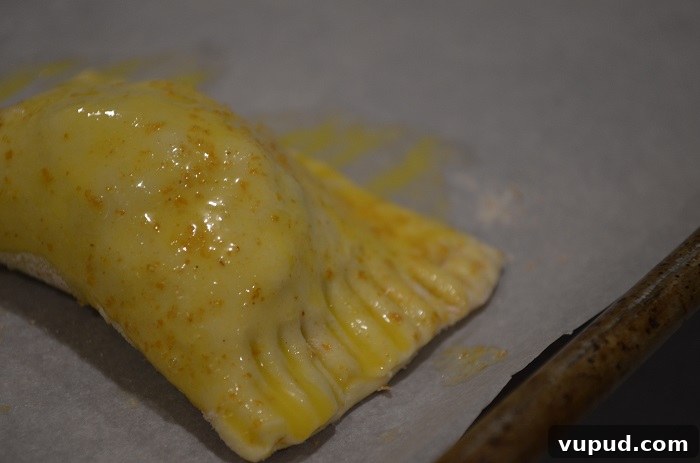
Brush the tops with an egg wash (one egg whisked with 1–2 tablespoons of whole milk). Two people working together will speed this step.
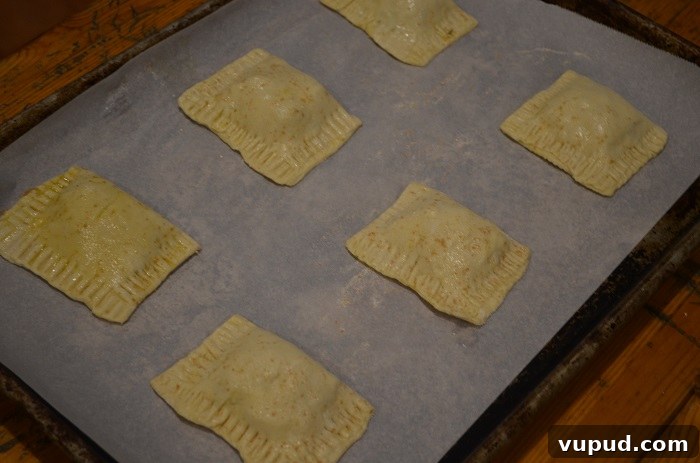
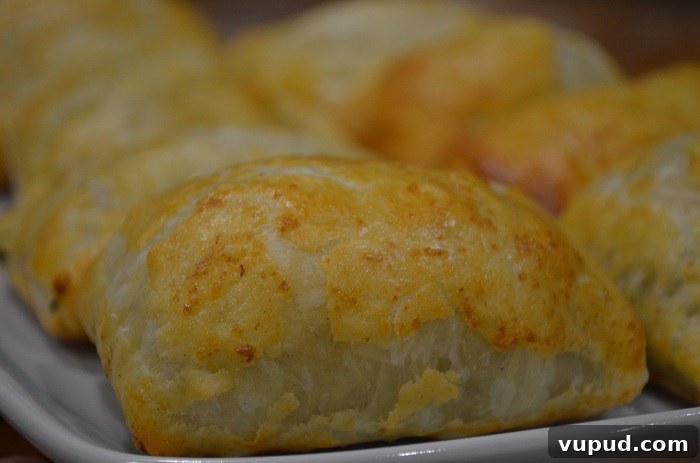
Arrange six pastries per parchment-lined baking sheet, leaving space between them so they can puff up. Bake at 400°F (200°C) for about 25 minutes, using the top oven rack for best puff and color.
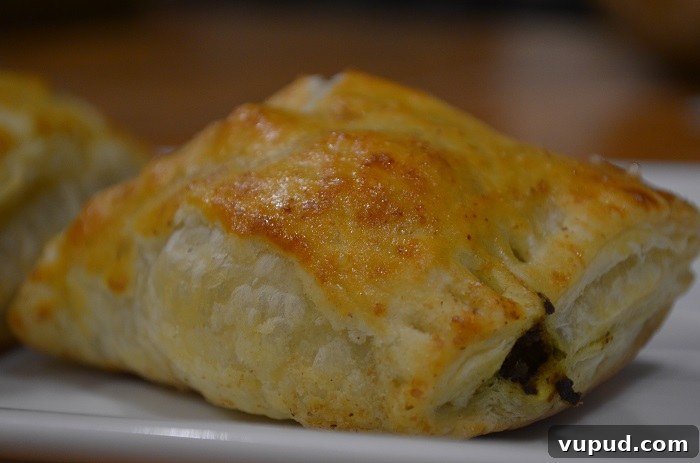
Remove the pastries and let them rest a few minutes before serving. If you open them too soon they may deflate, so a short cooling time helps them keep their shape and stay crisp.
How do you like your samosas—baked or fried, with potatoes or without, with peas or without? Any spices you always include? I’d love to hear your favorite variations.