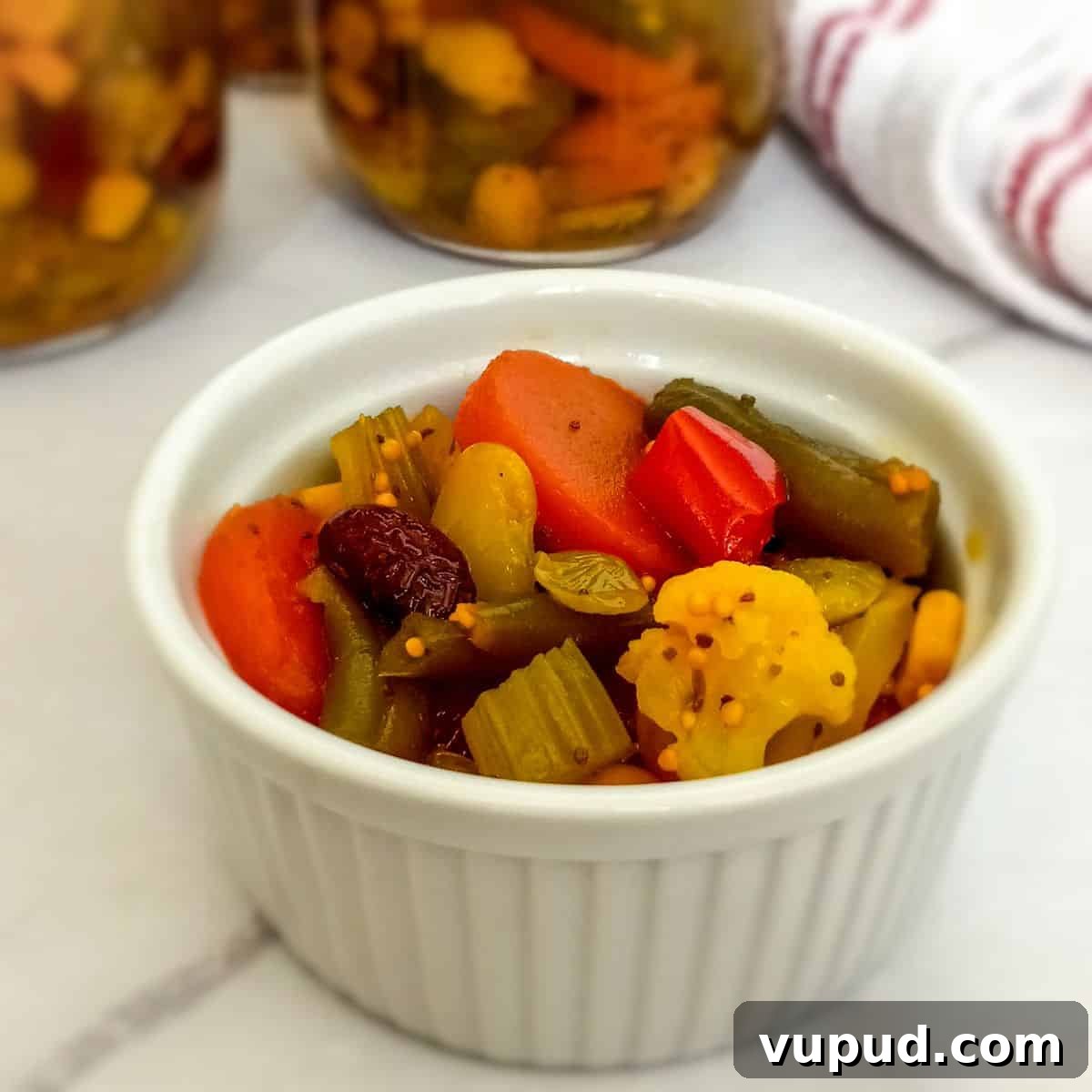
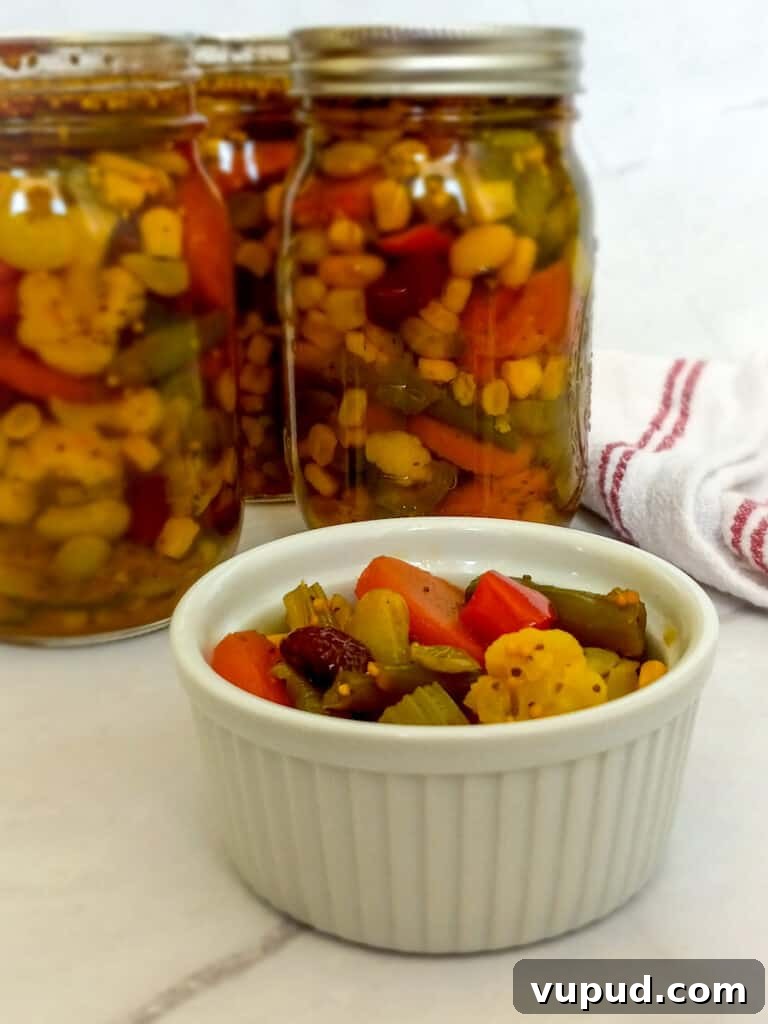
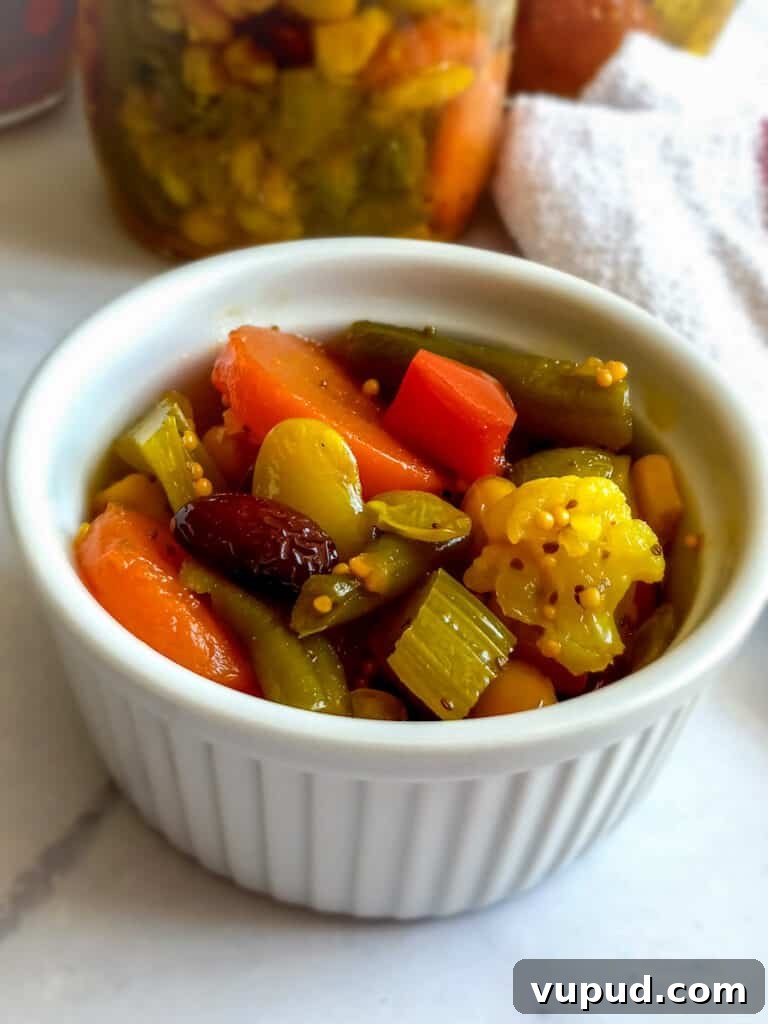
What is Amish chow chow? Amish or PA Dutch chow chow is a traditional pickled relish popular in Pennsylvania Dutch and Amish communities. It combines a variety of vegetables and beans in a sweet-tangy pickling brine. Essentially, it’s a pickled vegetable mix—perfect for anyone who enjoys tangy, crunchy preserves.
Typical ingredients include green beans, lima beans, bell peppers, carrots, cauliflower, corn and other seasonal vegetables. Chow chow is often served as a side or condiment and is especially common in late summer and fall when garden produce is plentiful.
Canning Amish Chow Chow
Canning is a long-standing practice in Amish households; many grow large gardens and spend summer and fall preserving sauces, relishes, pickles, vegetables and fruits. I grew up Amish and remember filling jars and freezers with homegrown food—canning chow chow was a regular task, often done near the end of the season to use up leftover vegetables.
We canned many jars because my father enjoyed chow chow with nearly every meal. I personally never craved it, but it was a staple in our house. Even if you’re not a lifelong fan, this recipe may be useful if you want an authentic PA Dutch version to try or to can for family who love pickles.
How to Can PA Dutch Chow Chow
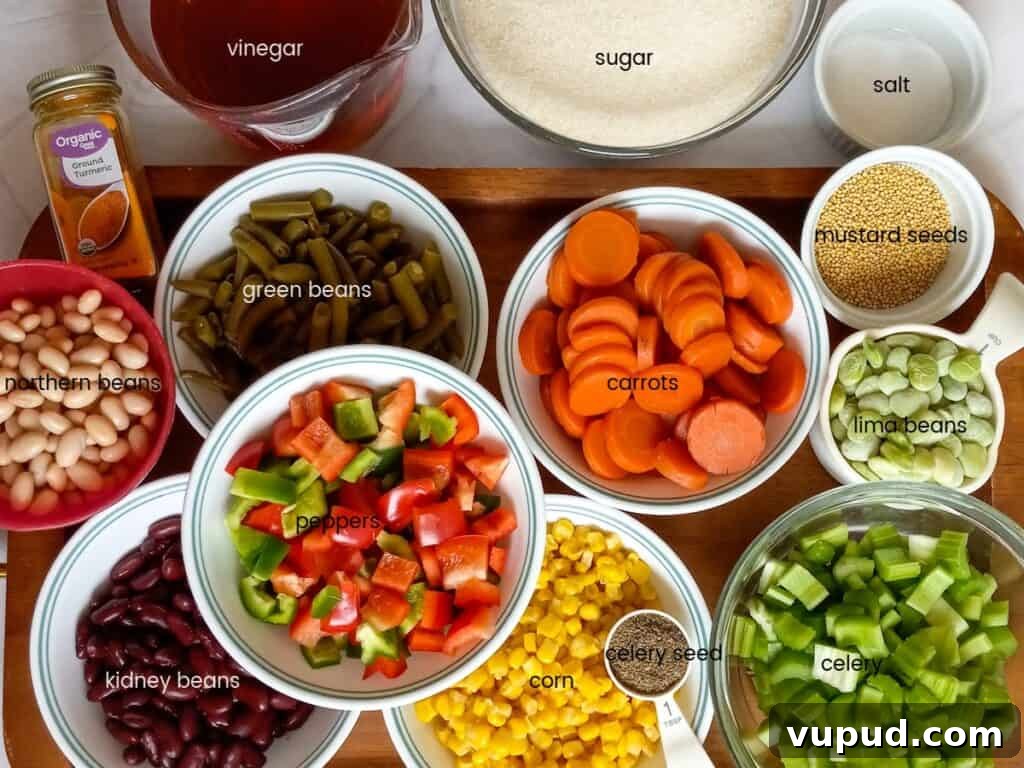
Choose the vegetables and beans you want to include. Wash and prepare them as for cooking, cutting into bite-sized pieces. Cook each vegetable separately in a little water until tender but still firm — overcooking will make them mushy. Celery can take longer, and dried beans must be fully cooked before using; canned beans are a convenient alternative.
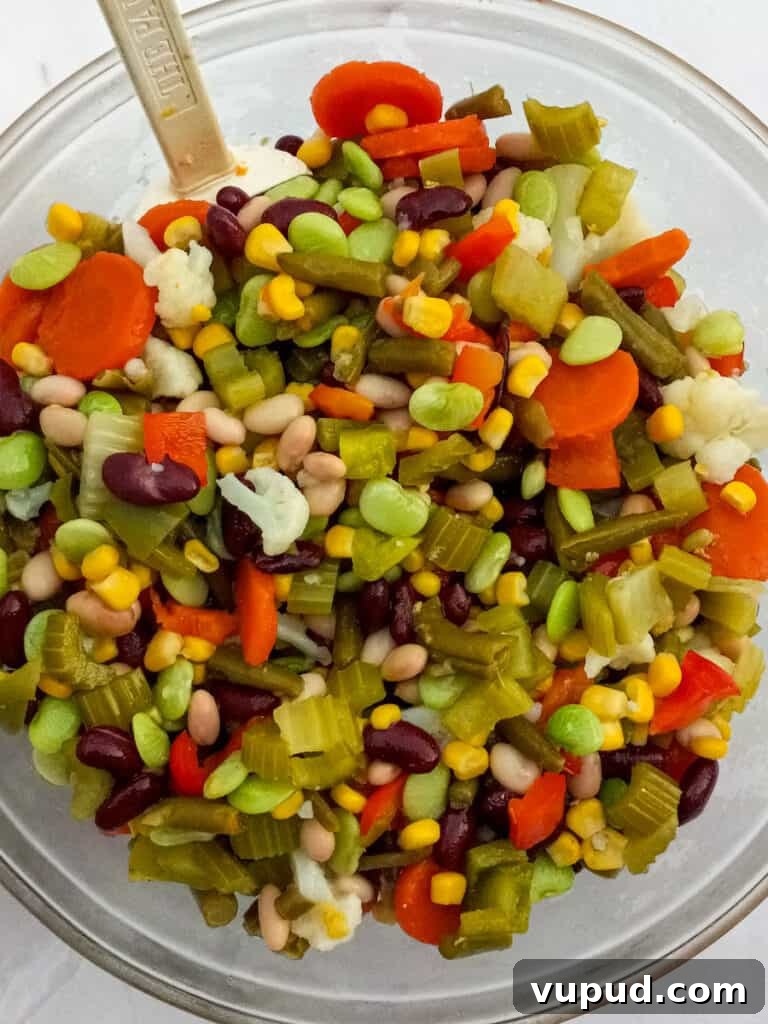
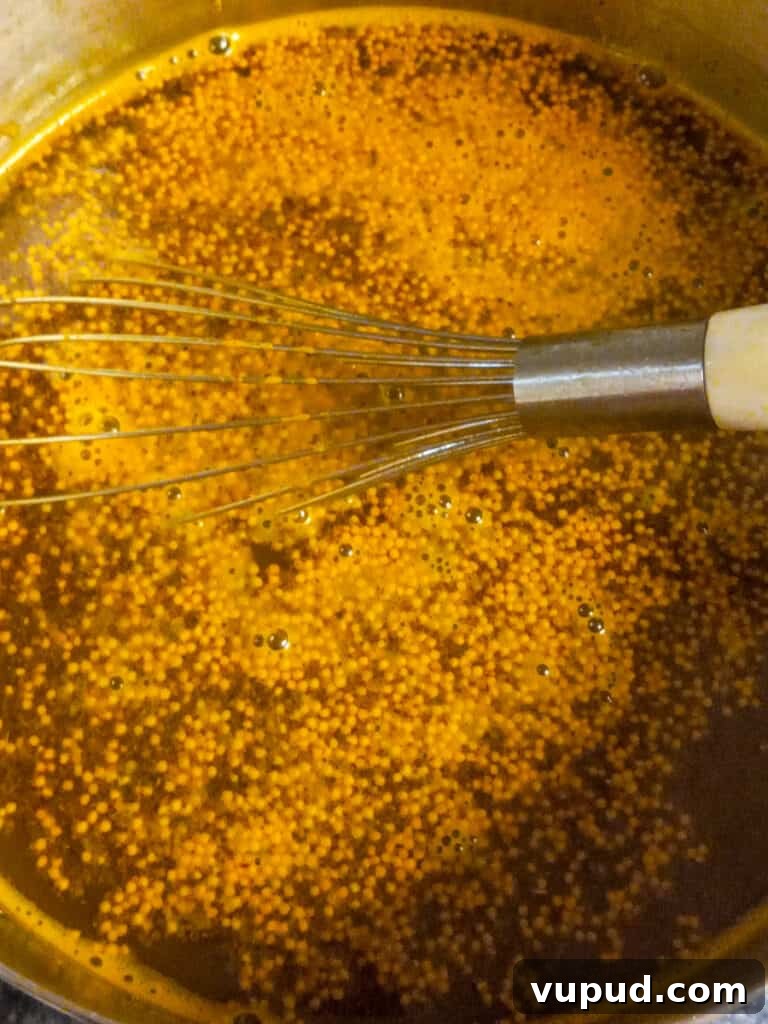
Drain the vegetables and combine them in a large bowl. Loosely fill sterile jars with the mixture so the brine can circulate among the pieces. Prepare the brine by combining the water, vinegar, sugar, mustard seeds, celery seeds, turmeric and salt in a pot and bringing it to a rolling boil. Pour the hot brine over the vegetables, leaving proper headspace, wipe jar rims clean, and apply lids and bands, fingertip-tight.
Place the jars in a boiling water canner, cover, return to a boil and process for 5 minutes. Remove the jars and set them on a heat-proof surface without disturbing for 24 hours. When cooled, check seals and store jars in a cool, dry place. Proper handling and safety around boiling liquids is essential.
New to Canning
If this is your first time canning, congratulations—preserving your own food is rewarding and practical. Canning is straightforward but it helps to review basic canning principles first, including jar sterilization, headspace, and safe processing times. A little research will help you feel confident and keep your preserved food safe for the seasons ahead.
Can I Use Different Vegetables and Beans?
Absolutely. This recipe is a flexible guideline. Many cooks add cauliflower, cucumbers, onions, cabbage, potatoes or even unusual items like cantaloupe chunks or watermelon rind. You can use fresh garden vegetables or canned/frozen ones. Adjust the brine sweetness to taste—some recipes call for as much as 5 cups of sugar; the version below reduces that amount, but you can cut it further if you prefer a less-sweet relish.
Where Did Its Name Come From?
The origin of the name “chow chow” is debated. Some link it to a Chinese term for mixed pickles, which fits the concept of a medley of vegetables. Webster’s dictionary defines chowchow as “a relish of chopped mixed pickles in mustard sauce.” Others trace the name to French-speaking Acadian settlers in the South, connecting it to the French word “chou” for cabbage. Regardless of origin, chow chow has regional variations—both PA Dutch and Southern recipes are common, each with distinct flavor profiles.
What’s clear is that chow chow is a versatile way to use surplus vegetables, reduce waste and capture summer flavors for year-round enjoyment.
A Dog Breed and a Pickled Relish with the Same Name?
The chow chow dog breed and the chow chow relish share a name by coincidence. They developed distinct meanings in different contexts and are not directly related in origin.
More Amish Recipes for Canning and Preserving Food
- Canning Pizza/Spaghetti Sauce
- Refrigerator Dill Pickles
- Freezing Basil Cubes
- Homemade Apple Butter
- Apple Pie Filling
If you enjoy pickled foods, you might also like pickled eggs and beets. I hope some of you will try this chow chow recipe—please leave a comment or rating if you do.
📖 Recipe Card
Amish Chow Chow Recipe
Ingredients
- 2 c. celery, chopped (approx. 4–5 ribs)
- 2 c. green and red sweet peppers, chopped
- 2 c. carrots, sliced
- 1 c. whole kernel sweet corn
- 3 c. cut green beans (or a mix of green and yellow beans)
- 2 c. lima beans
- 2 c. red kidney beans, rinsed and drained
- 1 c. navy beans, rinsed and drained
Brine:
- 2 ½ c. water
- 2 ½ c. vinegar
- 4–4 ½ c. sugar (adjust to taste)
- 2 Tbsp. mustard seeds
- 1 Tbsp. celery seeds
- 1 Tbsp. turmeric powder
- 2 tsp. salt
Instructions
- Wash, chop and prepare the vegetables. Cook each type separately in a small amount of water until tender but still firm. Drain and place in a large bowl.
- Add the rinsed and drained beans and gently combine the mixture.
- Loosely fill sterile jars with the vegetable-and-bean mixture.
- Mix the brine ingredients in a pot and bring to a rolling boil.
- Pour the hot brine into the jars, leaving appropriate headspace. Wipe rims, apply lids and bands and fingertip-tighten.
- Cold pack the jars in boiling water for 5 minutes.
- Remove jars and set on a heat-proof surface. Do not disturb for 24 hours.
- Confirm seals and store jars in a cool, dry place for up to a year or two.
Brine:
- Combine 2 ½ cups water, 2 ½ cups vinegar, 4–4 ½ cups sugar, 2 Tbsp mustard seeds, 1 Tbsp celery seeds, 1 Tbsp turmeric and 2 tsp salt in a pot. Bring to a rolling boil, then use to fill jars.
Notes
This recipe is a basic guide—use any combination of vegetables and beans you prefer. Adjust the sugar to achieve the desired sweetness; some recipes use more, some less. The recipe yields approximately 7–8 pints. Nutrition values are estimates.
Nutrition
Calories: 150 kcal
Carbohydrates: 34 g
Protein: 3 g
Fat: 1 g
Sugar: 26 g
Sodium: 175 mg
Fiber: 3 g
Let us know how it was!