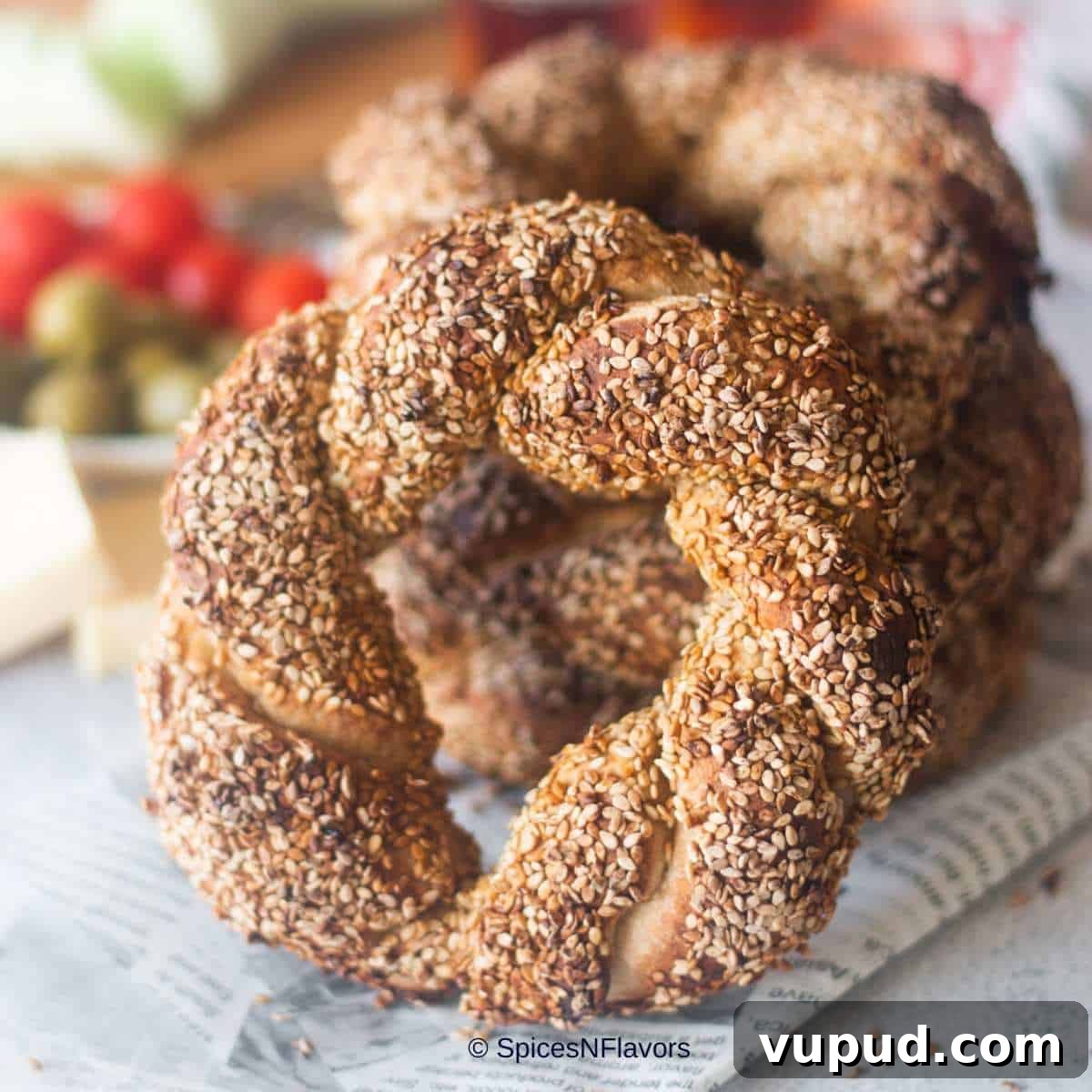
Get ready to enjoy the crunchy, sesame-coated delight of Turkish Simit. This guide explains how to make authentic simit with a crisp exterior and a soft, chewy interior—perfect for breakfast or a snack and evocative of Turkey’s lively street food culture.
What is Simit in Turkey?
Simit is a beloved Turkish ring-shaped bread that appears on nearly every street corner in Turkey. Often sold by vendors who carry large trays of fresh rings, simit is celebrated for its distinct contrast of textures: a shiny, crunchy crust covered in sesame seeds and a tender, slightly chewy interior. Traditionally enjoyed for breakfast with tea, cheese, or jam, simit is also a convenient, flavorful snack throughout the day.
What gives simit its unique flavor and deep color is the molasses-based glaze used before coating the rings in sesame seeds. This glaze adds a touch of sweetness and helps the seeds adhere and toast during baking.
Difference between Simit and Bagels
At first glance simit looks similar to a bagel, but there are key differences:
| Simit | Bagels |
|---|---|
| Originated in Turkey | Originated in Eastern Europe |
| Often twisted appearance and a larger central hole | Smoother ring with a smaller hole |
| Made with flour, water, yeast and a molasses glaze | Made with flour, water, yeast and sometimes sugar; traditionally boiled before baking |
| Generously coated with sesame seeds | May have various toppings and are usually not coated with a molasses glaze |
| Crispy exterior, soft interior | Generally chewy throughout |
Ingredients
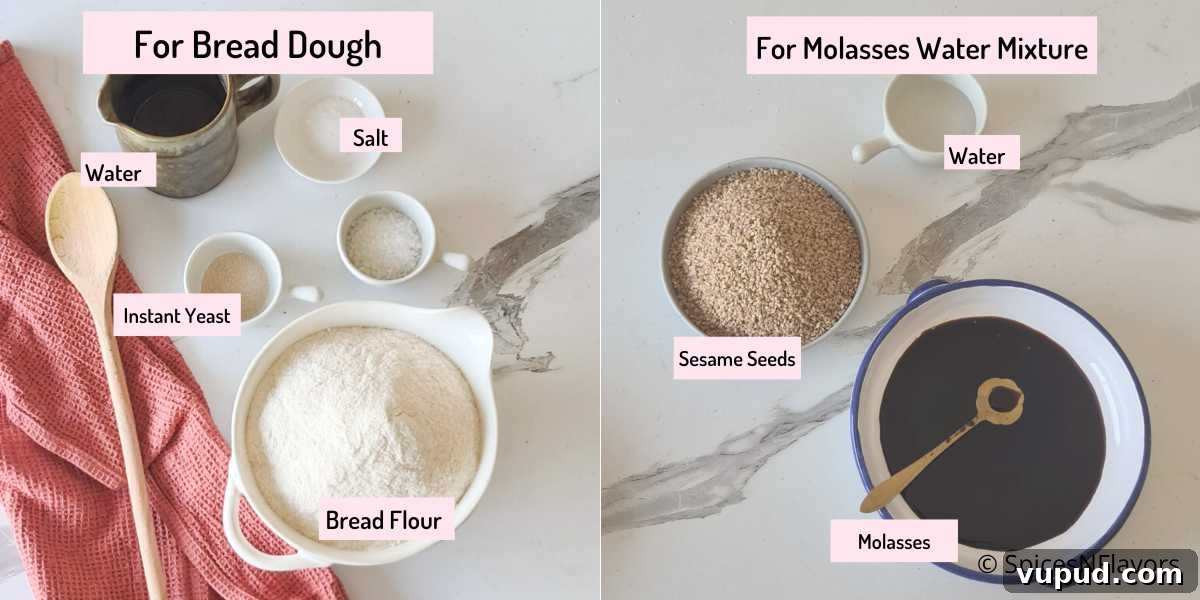
- Bread flour: Use bread flour for the best texture—its higher protein helps develop gluten and chewiness.
- Instant yeast: Convenient and reliable for this recipe.
- Molasses: Traditional recipes use grape molasses; pomegranate molasses or a similar dark syrup can be used as a substitute if needed.
- Sesame seeds: Toast them lightly if they are raw for a deeper nutty flavor.
Scroll to the recipe card at the end for exact measurements and timings.
Step-by-Step Tutorial
Step 1: Prepare the Dough
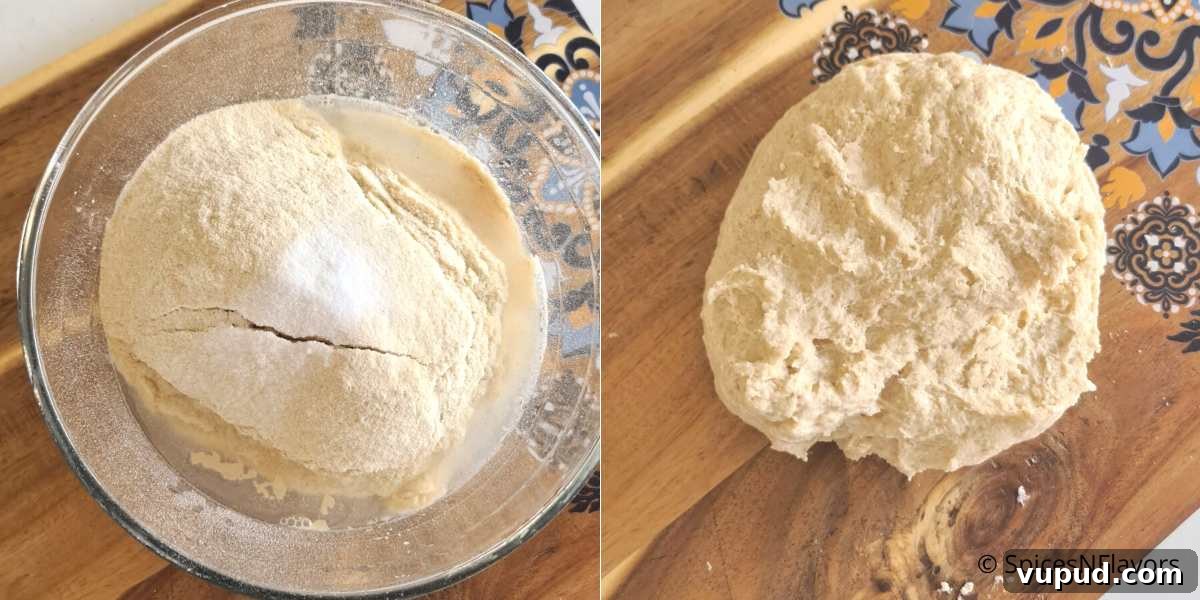
- Combine lukewarm water, sugar, and yeast in a large bowl until blended.
- Add bread flour and salt, mixing with a spoon until a shaggy dough forms.
- Turn the dough out onto a clean surface and knead by hand for about 6–8 minutes, or use a stand mixer with a dough hook until the dough is soft and pliable.
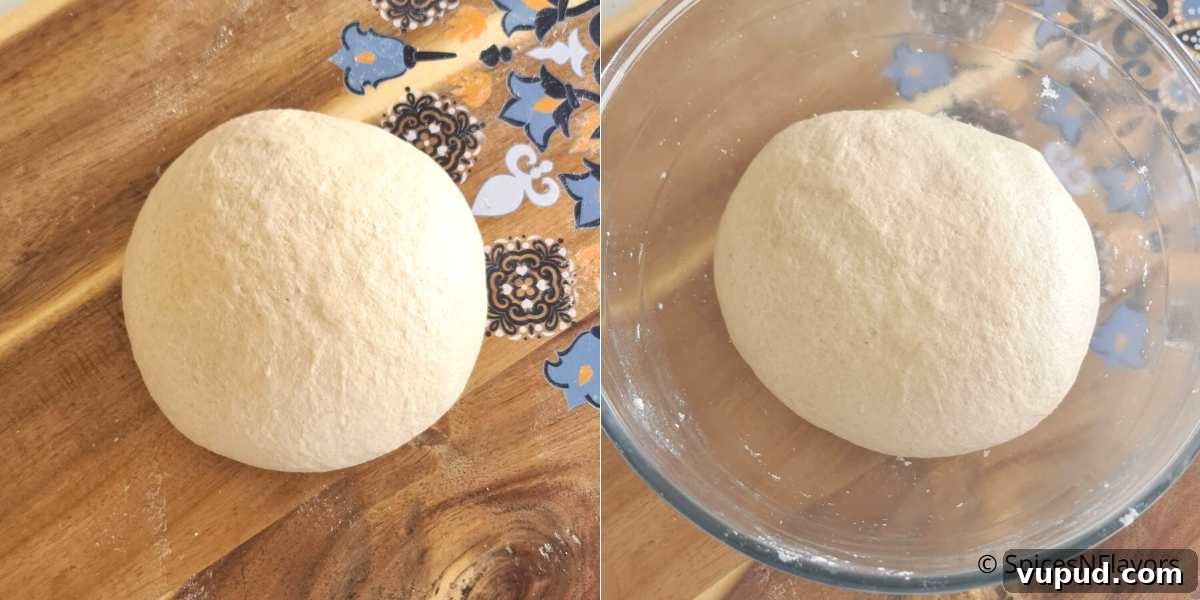
Step 2: First Proofing
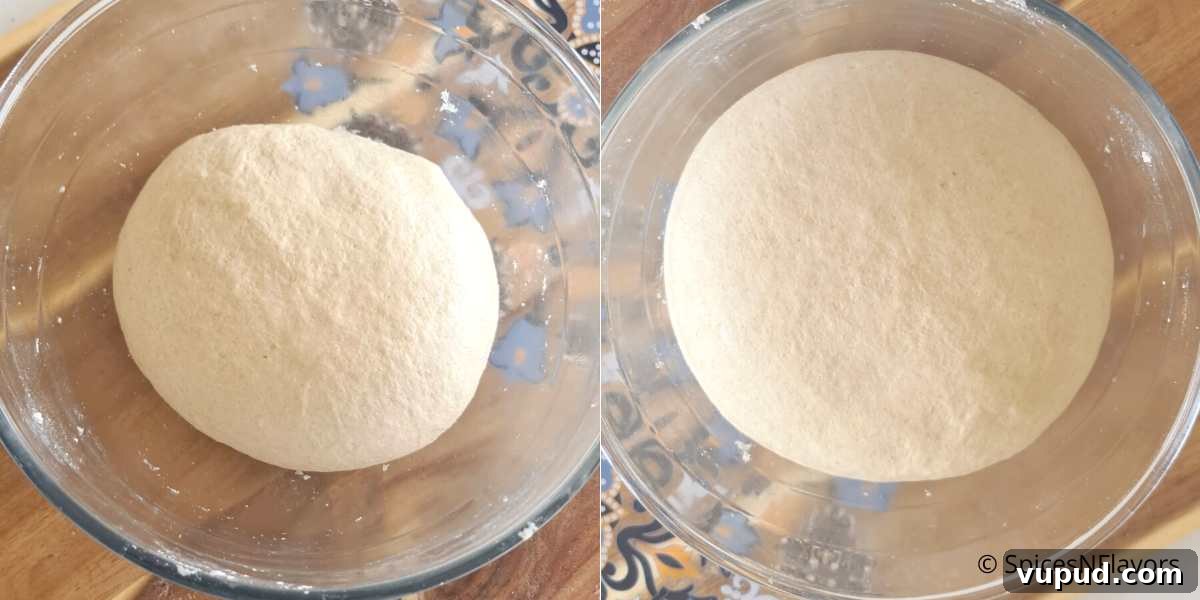
Place the dough in a lightly greased bowl, cover with a kitchen towel, and let it rise in a warm, draft-free spot for about 30 minutes, until it has relaxed and increased slightly in size.
Step 3: Shape the Simit Dough
Punch the dough down gently, then divide it into 12 equal pieces.
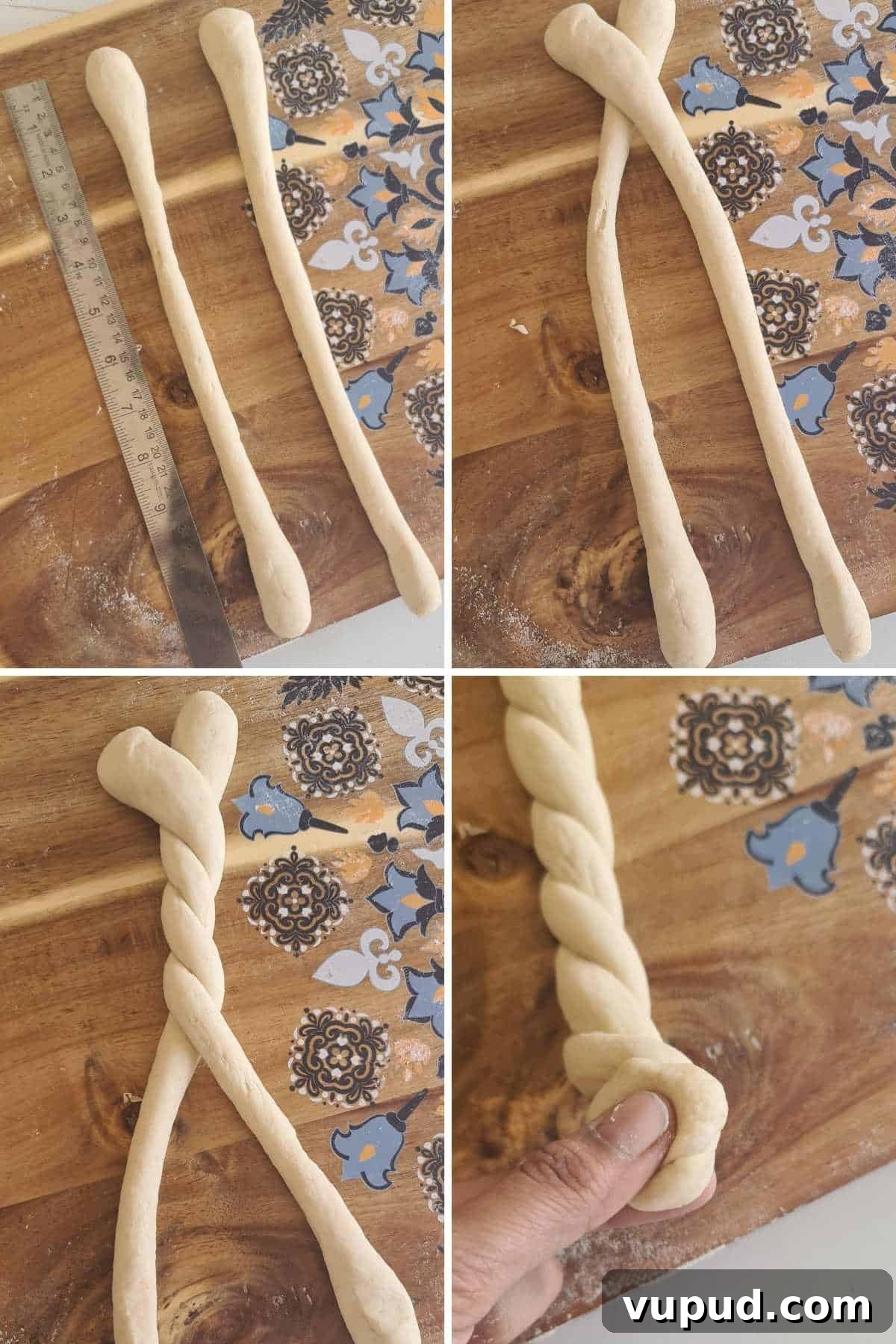
- Roll each piece into a rope about 10 inches long, keeping the ends slightly thicker than the center.
- Take two ropes and twist them together in opposite directions to form a braided pattern, then join the ends to create a ring and press to seal.
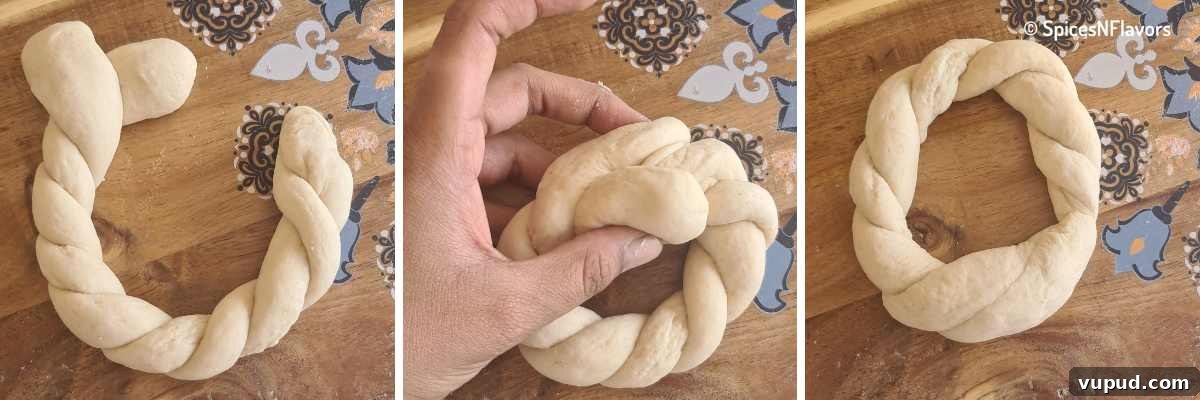
Step 4: Second Proofing
- Place the shaped rings on a parchment-lined baking tray with space between each so they can expand.
- Cover and let proof for 25–30 minutes until slightly puffy.
Step 5: Molasses Mixture
- Mix molasses with a small amount of water in a wide shallow bowl to form a syrup-like glaze.
- If using raw sesame seeds, toast them in a dry pan until golden and fragrant, then spread them on a plate for coating.
Step 6: Coat with Sesame Seeds
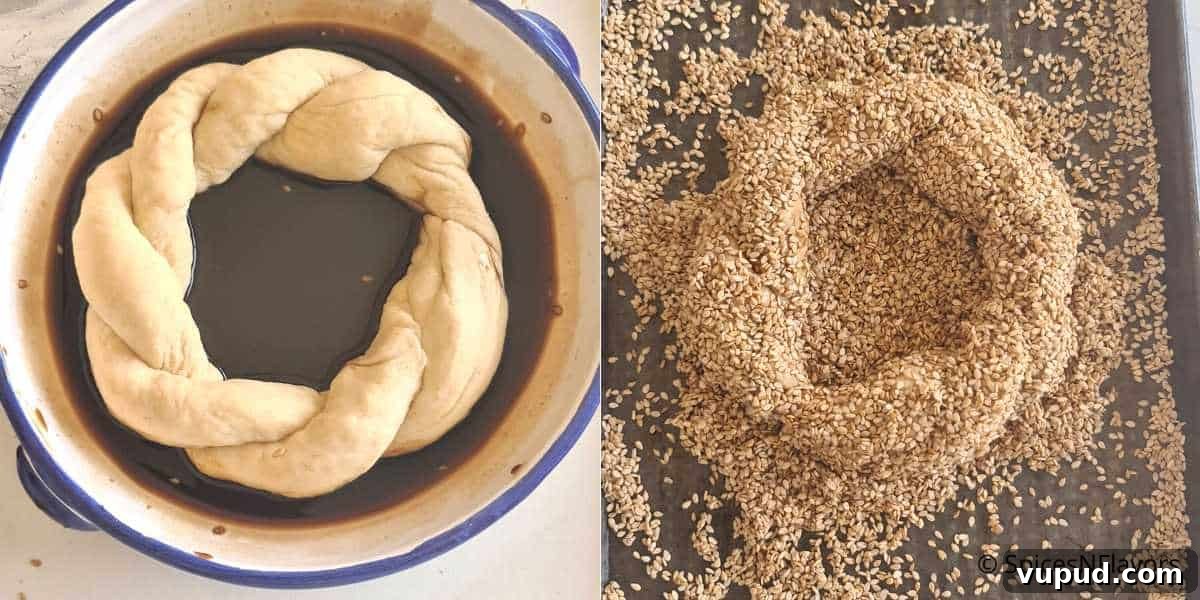
- Gently stretch each proofed ring to widen the center hole slightly.
- Dip the ring into the molasses glaze so it is evenly coated, then roll it in the toasted sesame seeds until well covered.
Step 7: Baking Process
Preheat the oven to 230°C (450°F). Arrange the coated rings on a baking sheet and bake for 15–20 minutes, until the crust is deep golden-brown and crisp. Be aware that molasses can darken the crust, so a deeper color is normal—not a sign of burning.
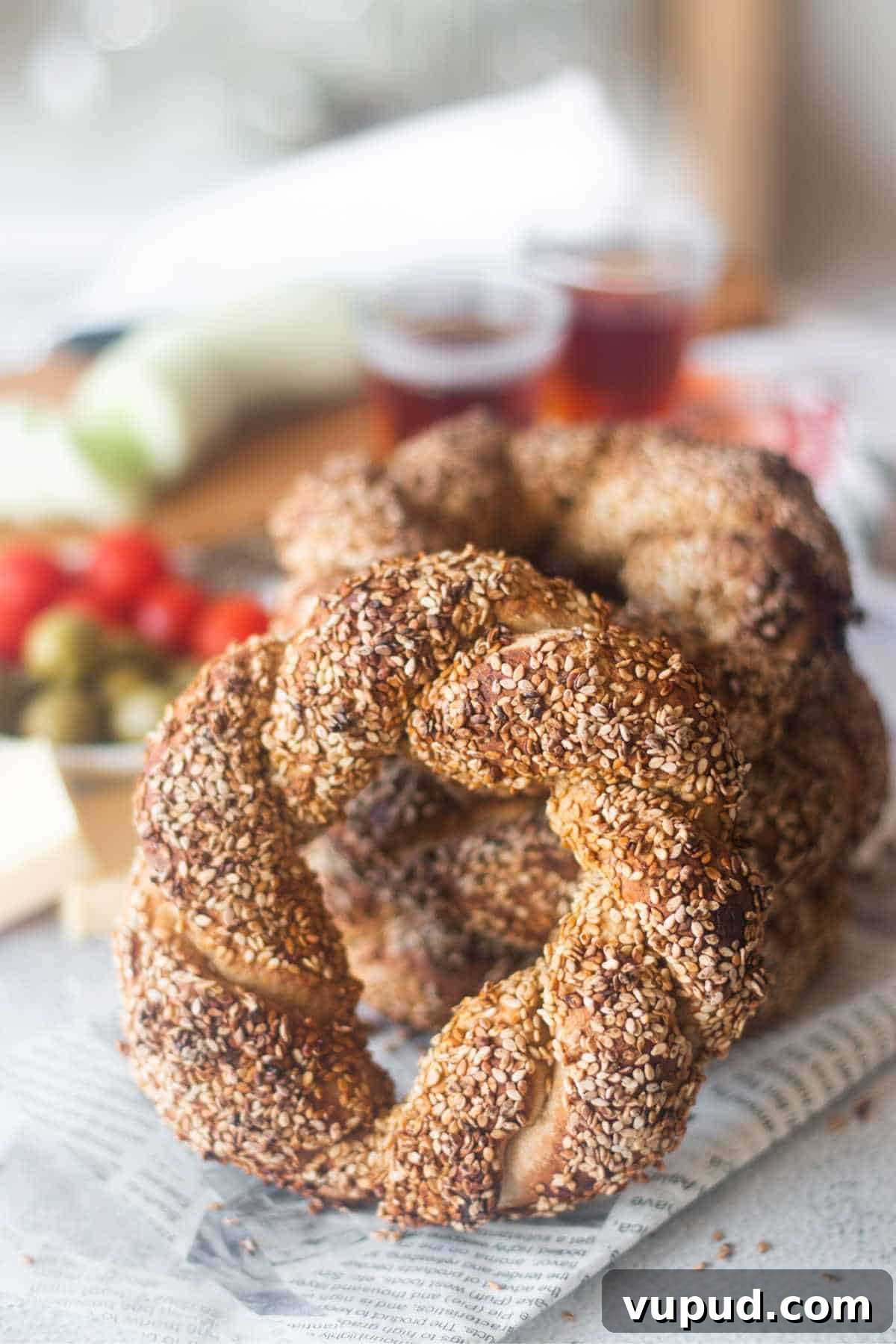
The result is fresh simit with a crisp, sesame-studded crust and a soft, chewy interior—best enjoyed warm.
Storage Instructions
To store leftovers:
- Cool: Let simit cool completely on a wire rack.
- Wrap: Individually wrap each piece in plastic wrap to seal in moisture.
- Seal: Place wrapped simit in an airtight container.
- Room temperature: Store at room temperature—avoid refrigeration to prevent drying.
- Use soon: Consume within 2–3 days for best texture and flavor. Reheat briefly in the oven to refresh slightly stale simit.
How to Eat Simit?
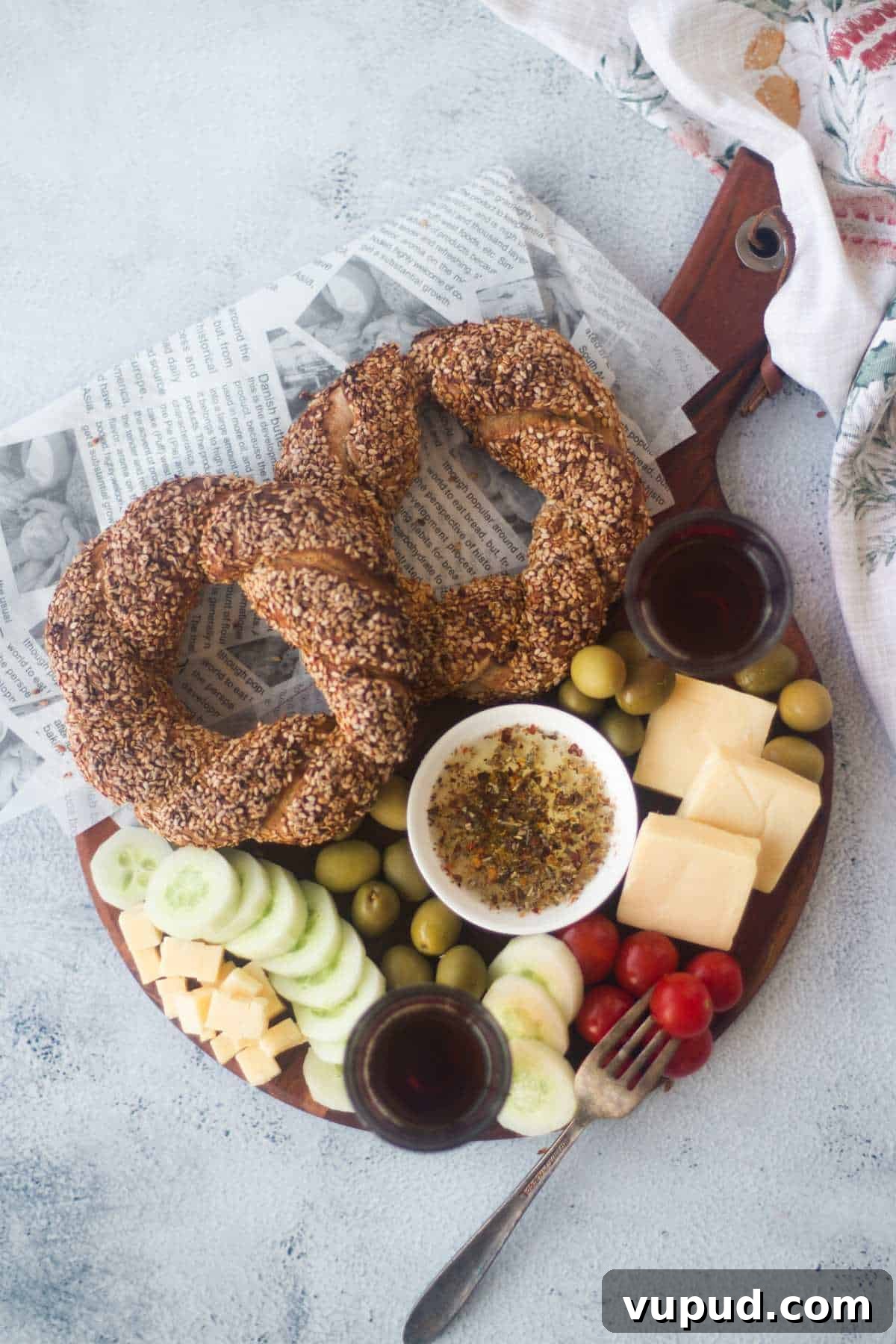
My favorite way is to tear simit into pieces and enjoy it with feta and cherry tomatoes drizzled with flavored olive oil. Other popular serving ideas:
- Plain: Enjoy the ring on its own to appreciate the texture and toasted sesame flavor.
- With Turkish tea: Dip pieces into a cup of strong Turkish tea—the classic pairing.
- Savory: Split and fill with cheese, tomatoes, cucumbers, olives, or other savory fillings.
- Sweet: Spread with jam, honey, or chocolate spread for a sweet variation.
Best Tips to Make Simit
Small details make a big difference. Keep these tips in mind:
- Use bread flour: Its higher protein content is essential for the right chew.
- Yeast: If using active dry yeast instead of instant, activate it first according to package directions.
- Knead thoroughly: Knead for 6–8 minutes until the dough is smooth and elastic to build gluten.
- Warm proofing: Rise the dough in a warm, draft-free spot for even fermentation.
- Keep dough covered: While shaping, keep unused dough covered so it doesn’t dry out.
- Generous sesame coating: The seeds define simit—don’t be shy.
- Watch the bake: Preheat to 230°C and bake until golden-brown; darker color is normal from the molasses.
Frequently Asked Questions
Yes. While sesame seeds are traditional, you can omit them for allergies or preferences. Other seeds—such as sunflower, poppy, or nigella—can be used for variety.
Simit is best the day it’s baked. Stored in an airtight container at room temperature, it stays good for 2–3 days. Reheating in the oven refreshes the crust and interior.
Absolutely. Poppy seeds, nigella seeds, or mixed seeds all work well and offer different flavor profiles.
You can use honey or maple syrup if needed, but the flavor and color will differ from classic simit made with molasses.
Related Recipes
- Best Bagels Recipe
- 2-Ingredient Bagel Recipe
- Bread Recipes
Wish to join us for the love of baking? Subscribe to the newsletter and follow the creator on social media for more recipes and baking tips.

Turkish Simit Recipe tutorial – Bagel Bread Style
Ingredients
For Bread Dough
- 288 gms (1 cup + 3 tbsp) Lukewarm Water
- 4 gms (1 tsp) Instant Yeast
- 15 gms (1 tbsp) Sugar
- 480 gms (4 cups) Bread Flour
- 1 tsp Salt
Molasses Water Mixture
- 1/4 cup Molasses
- 2 tbsp Water
- 142 gms (1 cup) Sesame Seeds
Instructions
Step 1: Prepare the Dough
- Combine lukewarm water, sugar, and yeast in a large bowl.
- Add flour and salt, mixing with a wooden spoon until a dough forms.
- Knead the dough on a clean work surface until soft and pliable, about 6–8 minutes.
Step 2 – First Proofing
- Place the dough in a greased bowl and cover with a kitchen towel.
- Let it rise in a warm, draft-free area for 30 minutes.
Step 3 – Shaping
- Punch down the dough to release air bubbles.
- Divide into 12 equal pieces and roll each into a 10-inch rope.
- Twist two ropes together, form a ring, and seal the ends.
Step 4 – Second Proofing
- Place shaped rings on a parchment-lined baking sheet, leaving space between them.
- Allow to proof for 25–30 minutes.
Step 5 – Molasses Water Mixture
- Mix molasses and water in a shallow bowl to create a syrupy glaze.
- Toast sesame seeds until golden if they are raw.
Step 6 – Coat with Sesame Seeds
- After proofing, stretch rings slightly, dip in the molasses glaze, then roll in sesame seeds.
Step 7 – Baking
- Preheat oven to 230°C (450°F).
- Bake the coated rings for 15–20 minutes until golden brown and crisp.
Notes
Tips to ensure great results: use bread flour, activate non-instant yeast if used, knead well for gluten development, proof in a warm spot, keep unused dough covered while shaping, be generous with sesame seeds, and monitor baking time—the molasses glaze will darken the crust.