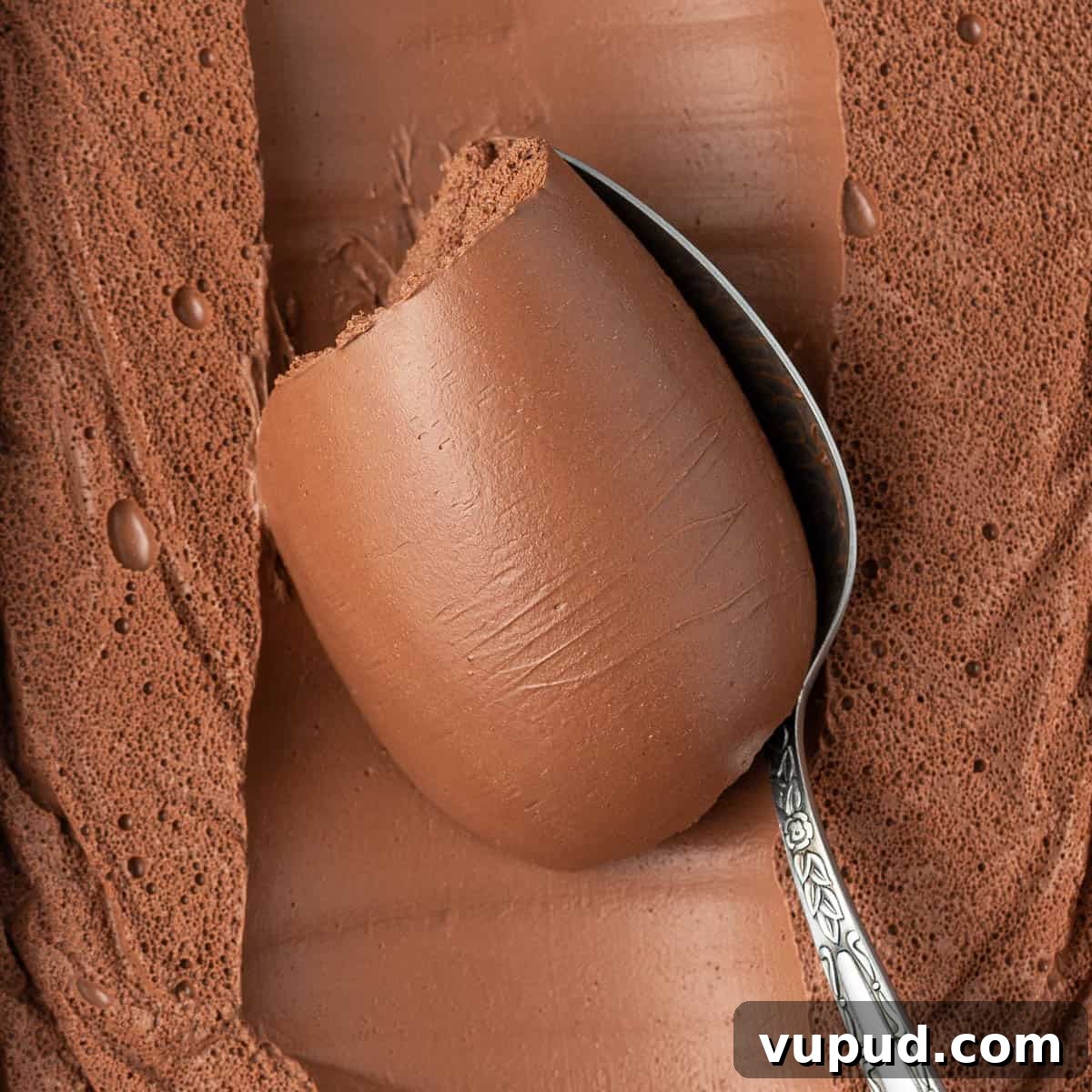
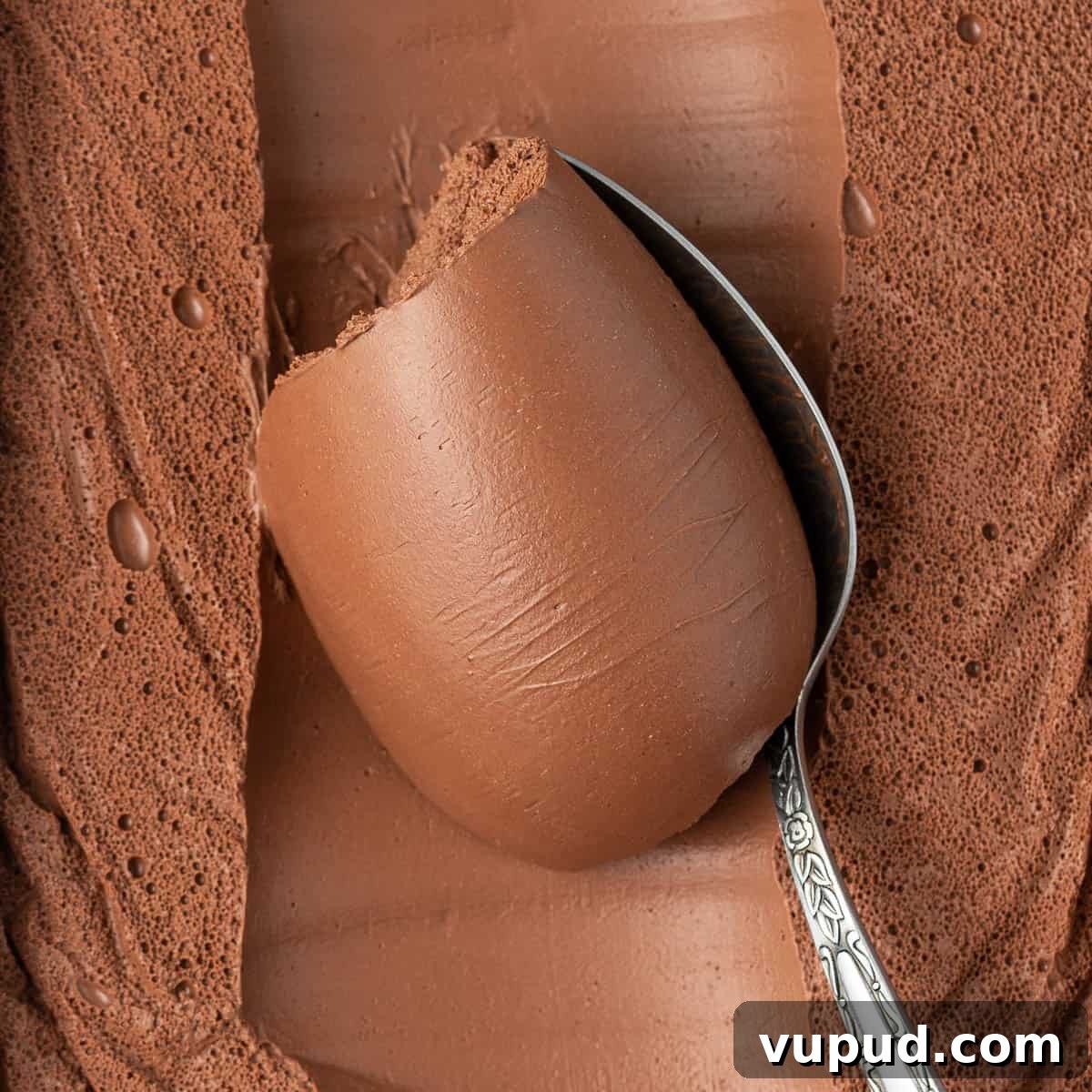
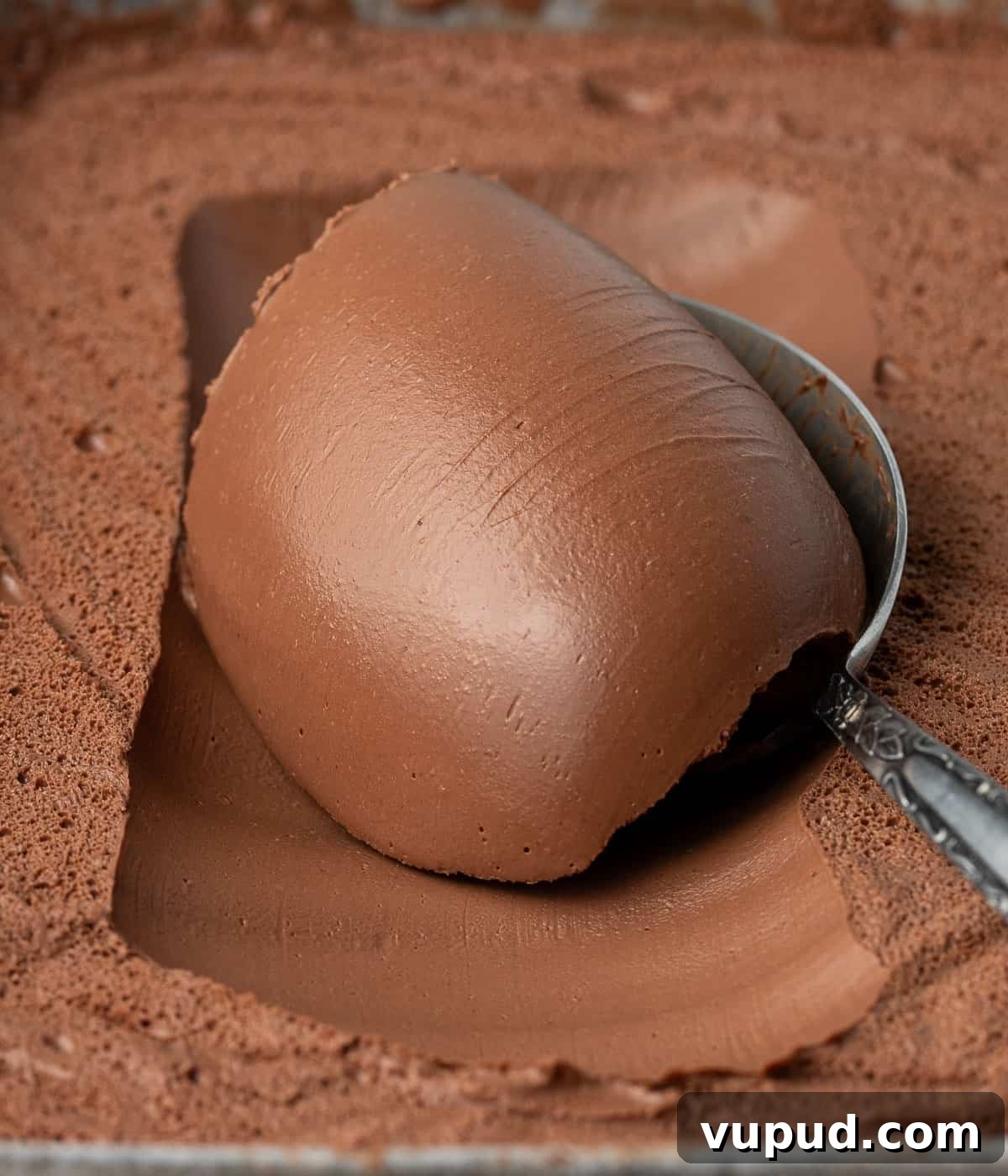
This dark chocolate Namelaka cream is silky, intensely chocolatey and melts in the mouth. It makes an excellent filling or frosting for cakes and pastries, and can also be enjoyed on its own as a dessert.
[feast_advanced_jump_to]
Why we love this recipe
Namelaka may be unfamiliar at first, but once you try it you’ll want to make it again and again. It combines the richness of ganache, the silkiness of a crémeux and the creaminess of pastry cream—resulting in a luxuriously smooth texture and glossy finish.
This version uses only four ingredients and requires no butter, flour or added sugar—the chocolate provides the sweetness. It’s easy to prepare and extremely versatile for professional-looking desserts.
What is Chocolate Namelaka
Namelaka, sometimes called “inverted ganache,” was developed by École Valrhona. The name comes from Japanese and means “smooth” or “creamy,” which perfectly describes the finished cream.
The classic formula combines quality chocolate (preferably couverture), milk, cream and gelatin. The result is soft yet stable, firm enough to pipe or to use between cake layers, but with a delicate melt-in-the-mouth feel.
Ingredients
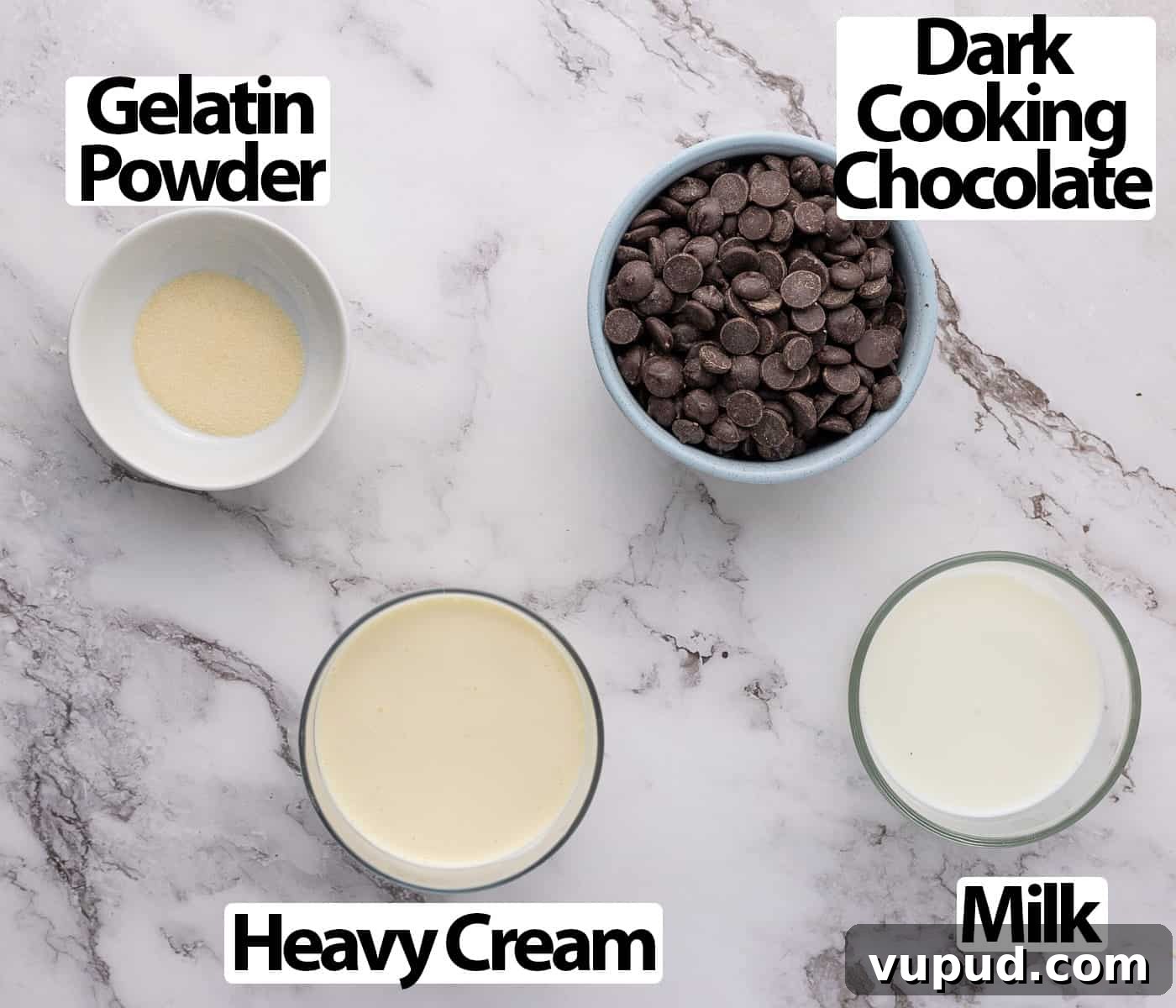
Scroll down to recipe card below for all quantities
What Namelaka is made of:
- Milk: Use full‑cream/whole milk for best texture and flavour. Warmed milk dissolves the gelatin and helps melt the chocolate.
- Chocolate: A 70% dark chocolate (couverture preferred) is ideal. The chocolate quality determines the final flavour—avoid chocolate chips or compound chocolate.
- Gelatin: Powder or sheets will work; the powder should be bloomed in a little cold water first. Adjust gelatin amount depending on how firm you want the cream.
- Cream: Cold heavy/thickened cream (minimum 30% fat). The cold cream added at the end creates the characteristic silky texture.
There is no added sugar in this recipe, so sweetness depends on the chocolate percentage. For extra smoothness and a touch of sweetness, add a small amount of honey or liquid glucose to the milk while warming.
Flavour variation
- Different chocolates: Swap the dark chocolate for milk or white chocolate, or try specialty varieties like caramelised white chocolate (dulcey). Note that ratios may need adjusting because cocoa butter content varies.
- Infused milk: Infuse warm milk with flavors—vanilla bean, coffee, citrus zest, tonka, or spices like cinnamon—then strain before proceeding for subtle aromatics.
How to make Namelaka step-by-step
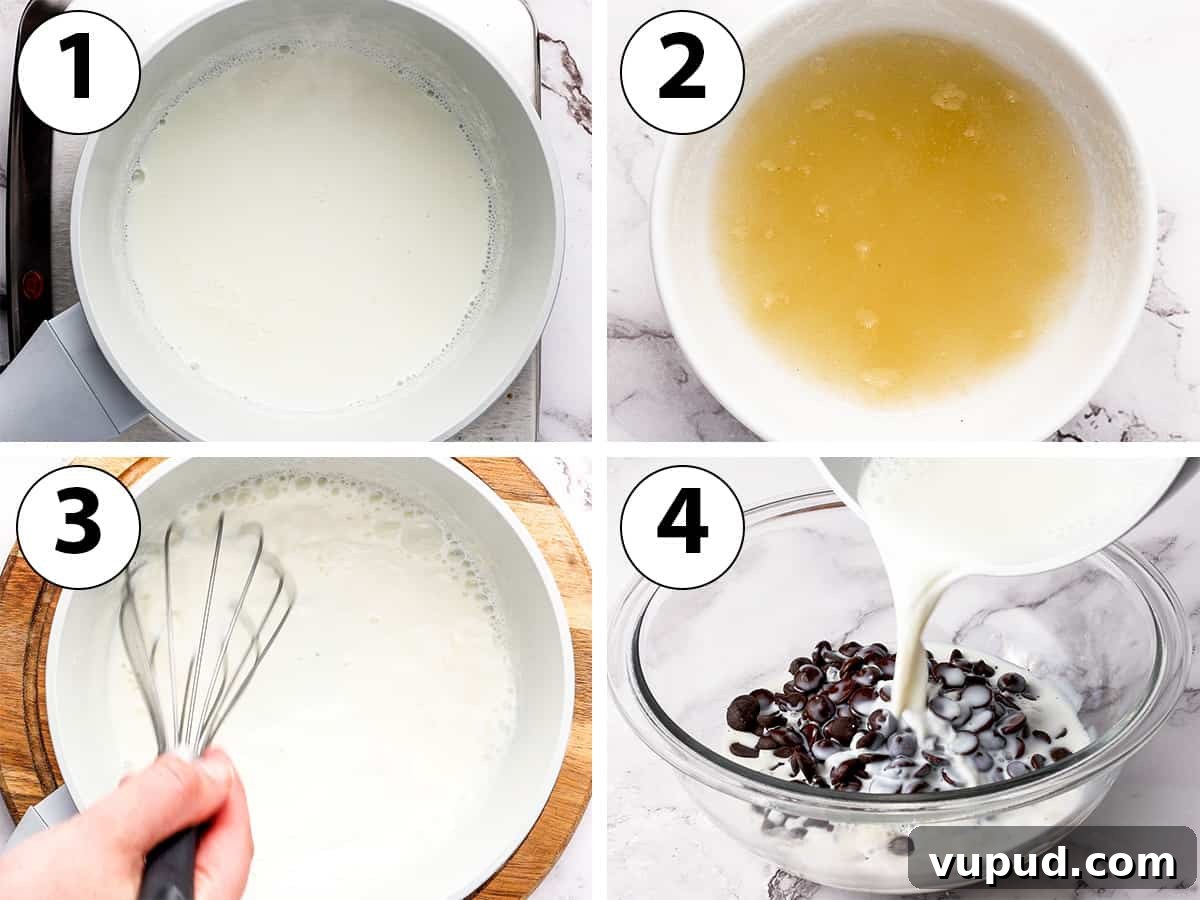
- Step 1: Place the milk in a small saucepan over low heat and bring to a gentle simmer. If using honey or glucose, add it now. If infusing flavours, do so while warming, then strain.
- Step 2: While the milk warms, bloom the gelatin powder in a tablespoon of very cold water until it forms a thick paste.
- Step 3: Remove the milk from heat once it simmers and whisk in the bloomed gelatin until fully dissolved.
- Step 4: Place the chopped chocolate or couverture callets in a heatproof bowl. Pour the hot milk mixture over the chocolate and leave for a couple of minutes to melt.
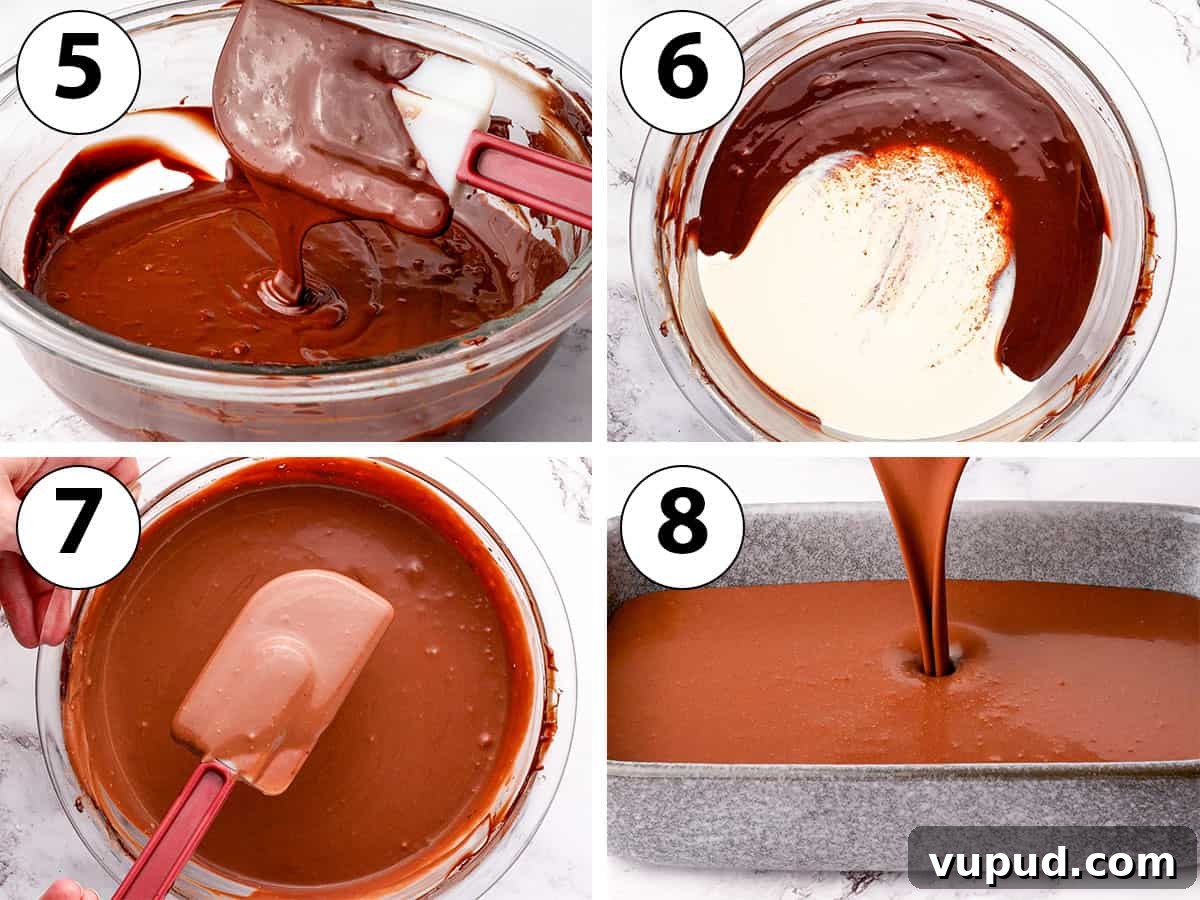
- Step 5: Stir gently with a heatproof spatula in small circles until the chocolate is fully melted and the mixture is smooth and emulsified. If needed, use an immersion blender briefly to perfect the emulsion—avoid moving it up and down to minimize air bubbles.
- Step 6: Pour the cold heavy cream over the melted chocolate and stir until completely combined. The mixture will be very runny; that’s normal.
- Step 7: Pour the namelaka into a small dish, cover the surface with plastic wrap, and chill for at least 8–10 hours or overnight to let the cocoa butter crystallise and the texture set.
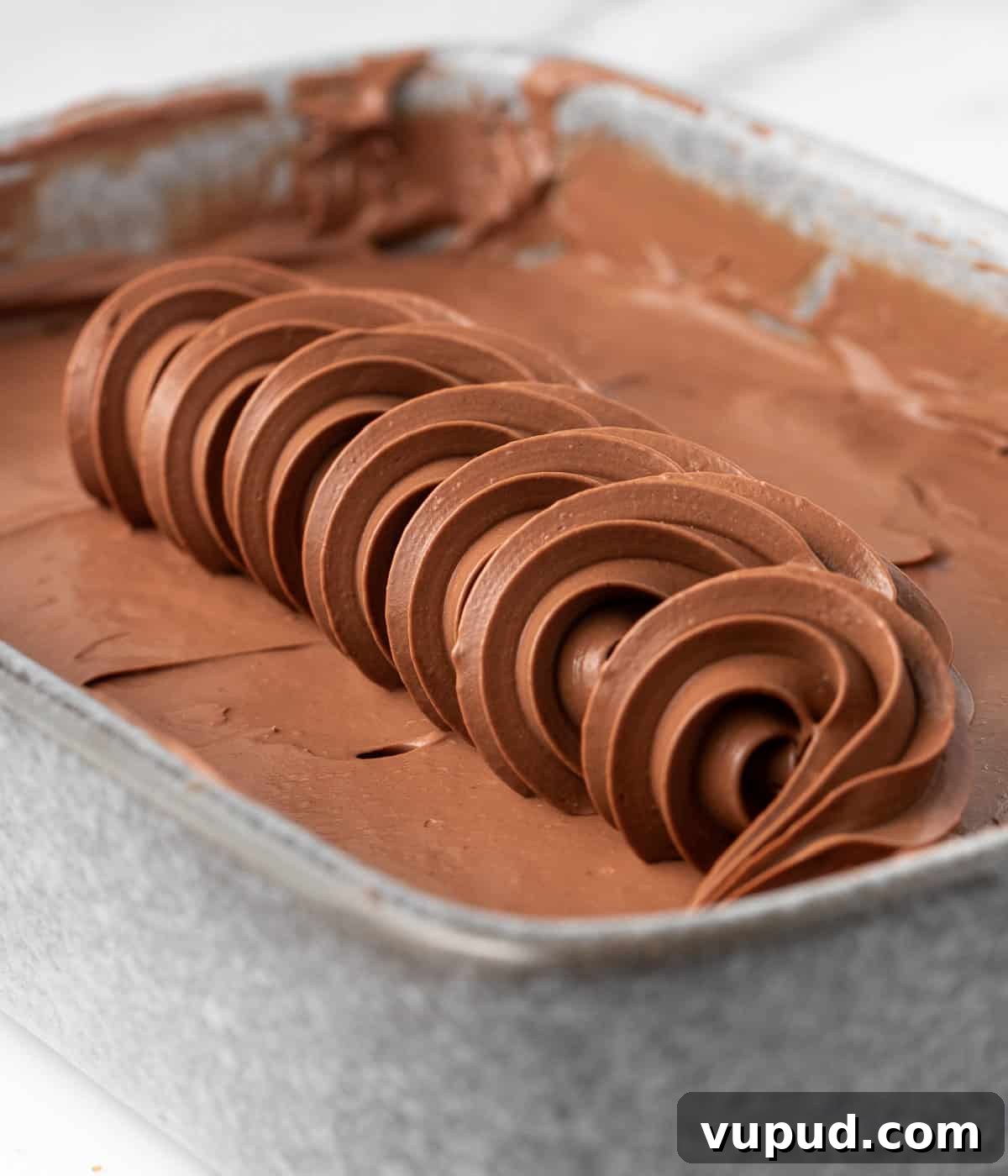
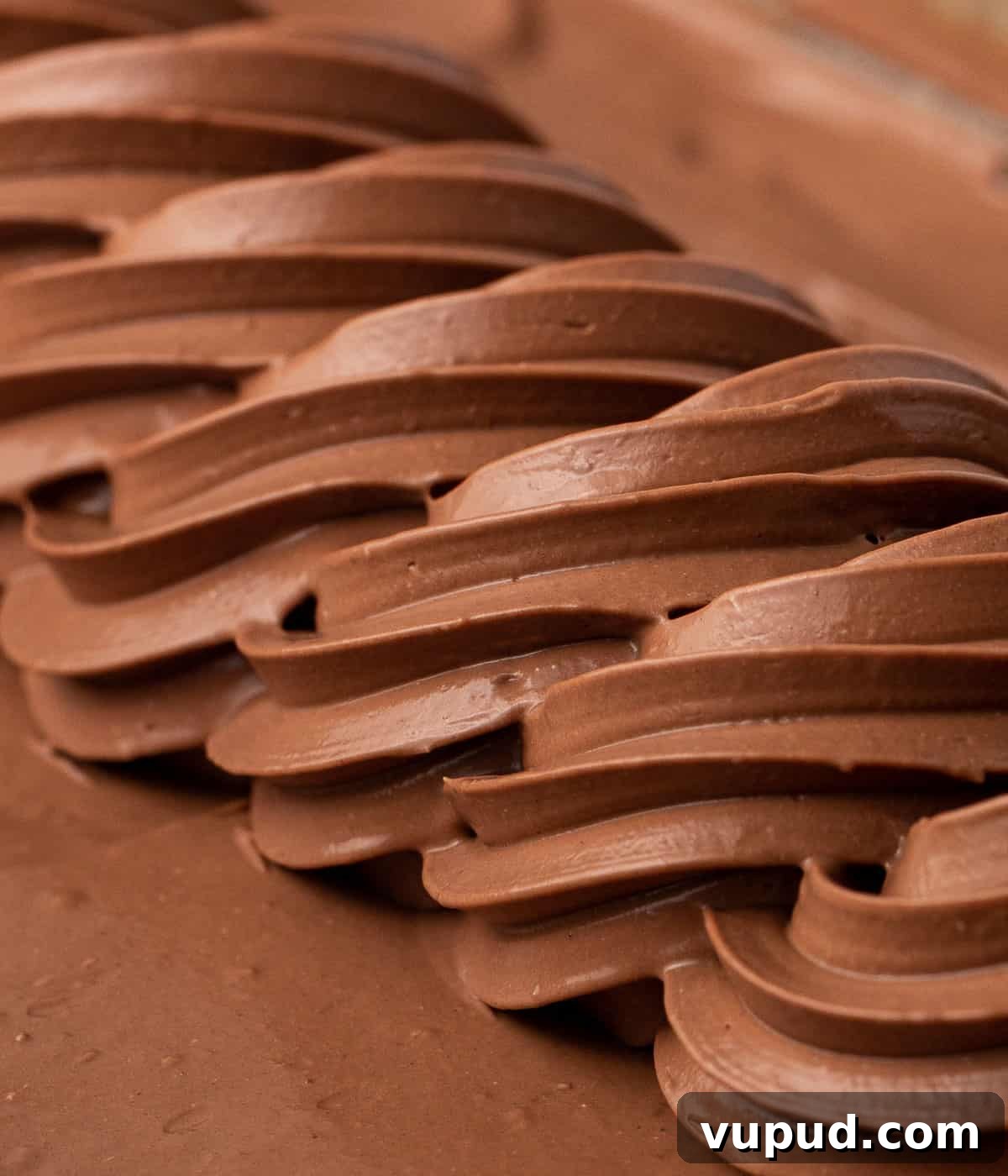
- Finish: Once chilled, use directly, transfer to a piping bag, or lightly whip for a fluffier texture similar to whipped ganache.
Pro tip: For a lighter, airier finish, lightly whip the chilled namelaka before using.
Recipe FAQs
Both are silky and rich, but crémeux is made from a crème anglaise base using egg yolks (plus gelatin), while namelaka contains no eggs and relies on milk, cream and gelatin for its texture.
Ganache is typically just chocolate and cream (often 1:1), producing a firmer, more intense filling. Namelaka uses milk, cream and a small amount of gelatin, giving a much smoother, silkier mouthfeel and a softer, more spreadable texture.
Use good-quality dark cooking chocolate or, ideally, couverture chocolate in callets or pistoles. Avoid chocolate chips or compound chocolate for best texture and flavour.
Yes. Because milk and white chocolate contain less cocoa butter, you’ll need a higher proportion of chocolate for the same set. For reference: white chocolate namelaka and milk chocolate namelaka typically require more chocolate than the dark recipe.
Agar behaves differently and sets as it cools, which can make it difficult to melt the chocolate smoothly. The recipe is written for gelatin, which gives the desired silky texture.
Tips for success
- Use an immersion blender to achieve a perfect emulsion, but keep it steady and avoid lifting it up and down to limit air incorporation.
- Don’t skip the long chilling time. Allowing the cream to rest overnight helps the cocoa butter crystallise slowly and produces the smooth, melt-in-the-mouth texture.
Troubleshooting
- Grainy or partially melted chocolate: This usually happens if the milk cooled before contacting the chocolate. Gently finish melting over a double boiler or briefly in the microwave, taking care not to overheat.
- Cream won’t set: This can be due to a chocolate with low cocoa butter (some milk or white chocolates), too little gelatin, or insufficient chilling time.
How to use Namelaka
- Fill tarts or tartlets in place of ganache, or pipe into cream puffs and choux pastries.
- Use between layers of cakes, in entremets or mousse cakes for a silky middle layer.
- Use as a frosting, decoration or piped element on cakes, cupcakes and plated desserts.
Storing & freezing
Store namelaka in the refrigerator in an airtight container (with plastic wrap touching the surface) for up to 3 days. Freezing is not recommended as it alters the texture.
More cream recipes
- Chocolate Pastry Cream
- Vanilla Crème Pâtissière
- Cookie Butter Cream Cheese Frosting
- Diplomat Cream
- Bavarian Cream
- Almond Cream Filling (Frangipane)
- Chocolate Crémeux
- Whipped Ganache Frosting
- Hazelnut Praline Paste
- Chocolate Whipped Cream
My debut cookbook “Bite-Sized French Pastries for the Beginner Baker” is now available.
Recipe
Namelaka
Ingredients
- 200 gr Couverture dark chocolate, 70%, or good quality dark cooking chocolate
- 180 ml Full cream / whole milk
- 30 gr Glucose syrup or honey (optional)
- 4 gr Gelatin powder, plus 1 tablespoon cold water
- 360 ml Thickened / heavy cream, min 30% fat content
Instructions
- Place the chocolate in a medium heatproof bowl; finely chop if using a bar.
- Warm the milk (and optional glucose or honey) to a gentle simmer.
- Bloom the gelatin in 1 tablespoon very cold water until it becomes a thick paste.
- Remove the milk from heat and whisk in the gelatin until dissolved.
- Pour the hot milk over the chocolate, let sit a couple of minutes, then stir in small circles until fully melted and emulsified.
- Add the cold heavy cream and stir until combined; the mixture should be runny.
- Pour into a small dish, cover with plastic wrap touching the surface and chill 8–10 hours or overnight.
- When set, transfer to a piping bag or use directly. For a lighter texture, gently whip after chilling.
Video
Notes
- No added sugar is included; sweetness depends on the chocolate. Glucose syrup or honey can be added for extra shine and sweetness.
- If the milk was not hot enough and small bits of chocolate remain, finish melting gently over a double boiler or briefly in the microwave—avoid overheating.
- An immersion blender helps create a perfect emulsion but avoid moving it up and down to prevent excess air bubbles.
Nutrition (per serving)
Carbohydrates: 117g
Made this recipe? Let us know if you liked it by leaving a comment below, and tag us on Instagram @a.baking.journey with a photo of your creation!