Sodium gets a lot of attention in nutrition conversations—and for good reason. The typical Western diet often contains more sodium than we need. The 2020–2025 Dietary Guidelines report that many people over age two in the U.S. consume excess sodium, so it’s helpful to understand guidelines and practical ways to keep intake in check for the whole family.
Quick link: See sodium guidelines by age
Sodium Guidelines for Babies, Toddlers and Older Kids
Sodium is not inherently bad. It occurs naturally in foods and is present in breastmilk. Salt (which contains sodium and chloride) enhances flavor and plays useful roles in cooking—acting as a preservative, texture and color enhancer, and binder. Sodium is also an essential electrolyte for nerve and muscle function. The important factor is quantity: consuming more sodium than the body needs can increase health risks over time.
Understanding recommended amounts helps you make smarter food choices when feeding children and the rest of your family.
Why sodium guidelines matter
Excess sodium intake is linked to several health risks, including higher blood pressure. Elevated blood pressure can begin in childhood and increases the long-term risk of heart disease and stroke. That’s why focusing on overall dietary sodium—not avoiding salt entirely—is important. Seasoning meals for flavor is fine; the goal is to limit frequent high-sodium foods and overall daily intake.
Where sodium commonly appears in diets
Many of the biggest contributors to sodium are prepared and restaurant foods. Common high-sodium items include:

- Pizza
- Mexican-style foods (burritos, tacos)
- Sandwiches and fast-food burgers, hot dogs
- Breads and rolls
- Processed and cured meats (pepperoni, sausage, deli meats)
- Soups
- Snacks like chips and pretzels
- Certain cheeses
- Milk (in moderation—about 100 mg per cup)
- Chicken, especially processed varieties
Some items—like milk—contain modest amounts of sodium but can add up when combined with other high-sodium foods. The pattern of the whole diet is what matters most. Many restaurant and packaged foods use extra sodium to boost flavor and shelf life, so limiting how often these are eaten helps lower overall intake.
Kid-specific high-sodium foods
When thinking specifically about kids, watch for:
- Packaged kids’ snacks (some are high in sodium despite marketing)
- Frozen meals
- Jarred sauces, like some pasta sauces
Crunchy or savory snacks—chips, crackers, and similar items—can contain a lot of sodium. Frozen meals often use sodium for flavor and preservation; aim for options under 500 mg per serving when possible. Check labels on pasta sauces and choose lower-sodium brands if available.
Recommended sodium intake by age
For adults, the general limit is 2,300 mg per day, and many adults exceed that. Teenage males commonly exceed it by the greatest margin. There’s no general benefit to severely restricting sodium below guidelines unless advised by a healthcare provider.
- Babies 0–6 months: less than 110 mg per day
- Babies 7–12 months: less than 370 mg per day
- Ages 1–3: less than 1,200 mg per day
- Ages 4–8: less than 1,500 mg per day
- Ages 9–13: less than 1,800 mg per day
Salt for babies under one
For infants up to six months, adequate intake for sodium is around 110 mg per day. Babies this age typically get sodium only from breastmilk or formula. From 7–12 months, the recommendation increases to about 370 mg per day as solid foods are introduced. Avoid adding salt to baby food; use herbs and spices for flavor in family meals while keeping the baby’s portion unsalted.

Sodium guidelines for toddlers and children
After age one, recommended sodium allowances rise. For ages 1–3, the adequate intake is about 800–1,200 mg per day. It’s wise to limit fast food and highly processed options because sodium accumulates quickly. Eating out occasionally is fine—balance those meals with lower-sodium choices at other times.
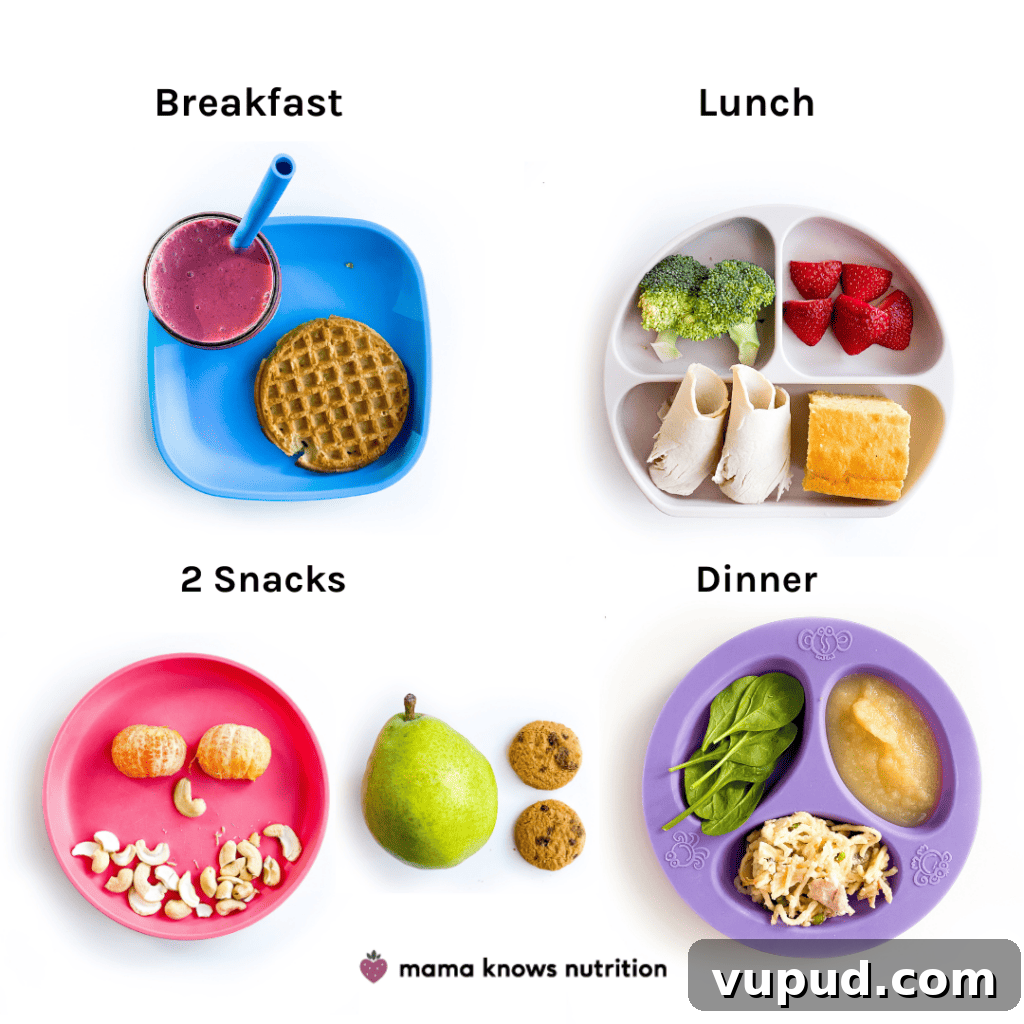
Here’s an example day around 1,000 mg of sodium, suitable for a toddler:
- Breakfast: smoothie with milk, blueberries, banana, almond butter; one whole grain waffle
- Lunch: broccoli, strawberries, a slice of deli turkey, and homemade cornbread
- Snacks: clementines, unsalted cashews, a pear with two simple cookies
- Dinner: spinach, unsweetened applesauce, spaghetti with chicken and peas, sprinkled parmesan
When to start salt in baby food
After the first birthday you can begin offering family foods seasoned with salt, but continue limiting very high-sodium items. Gradual exposure to family meals is fine, while still prioritizing mostly fresh and minimally processed foods.
How to limit sodium in the diet
Key strategies include preparing meals at home more often, limiting packaged sauces and instant mixes, and choosing fresh foods when possible. When you do buy processed items, read labels and choose lower-sodium options. Simple swaps and habits make a big difference over time.
- Limit processed meats, canned soups, and high-sodium condiments
- Choose fresh or frozen vegetables and fruits
- Rinse canned beans or tuna to reduce sodium
- Pick low-sodium cheeses like mozzarella or ricotta
- Opt for unsalted nuts and nut butters
Reading labels for sodium content
Know common label terms so you can compare products:
- Salt/Sodium-Free: less than 5 mg per serving
- Very Low Sodium: 35 mg or less per serving
- Low Sodium: 140 mg or less per serving
- Reduced Sodium: at least 25% less sodium than the original product
- Light in Sodium: at least 50% less sodium than the original product
- No-Salt-Added: no salt added during processing (may still contain natural sodium)
Marketing terms like “reduced sodium” don’t always mean the product is low in sodium overall, so always check the nutrition facts.
More practical tips
- Cook at home when possible to control sodium
- Limit packaged sauces and instant products
- Add herbs, citrus, and spices to boost flavor without salt
- Choose fresh or frozen whole foods
- Select fresh meats and seafood instead of processed varieties
- Choose unsalted snacks
- Mind condiments and use them sparingly
It’s unrealistic to be perfect all the time. Use lower-sodium products when you can, and balance occasional higher-sodium meals with fresh, lower-sodium options the rest of the time.
Some consistently lower-sodium choices include fruits and vegetables, fresh or frozen meats and fish, low-sodium cheeses, unsalted nuts and nut butters, Greek yogurt, avocados, eggs, and low-sodium canned beans. There are also many lower-sodium frozen and convenience options that can fit into a busy family routine.
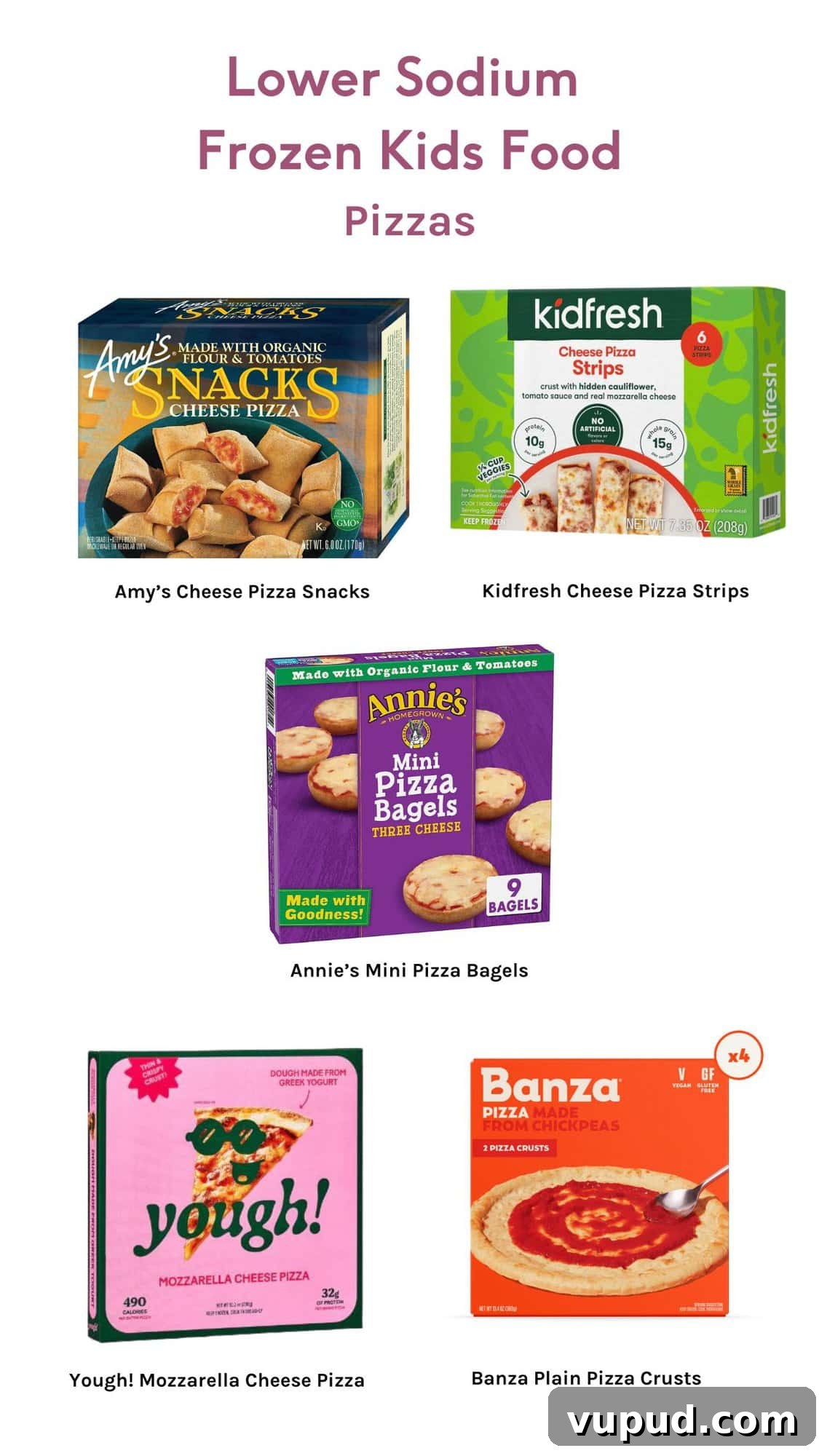
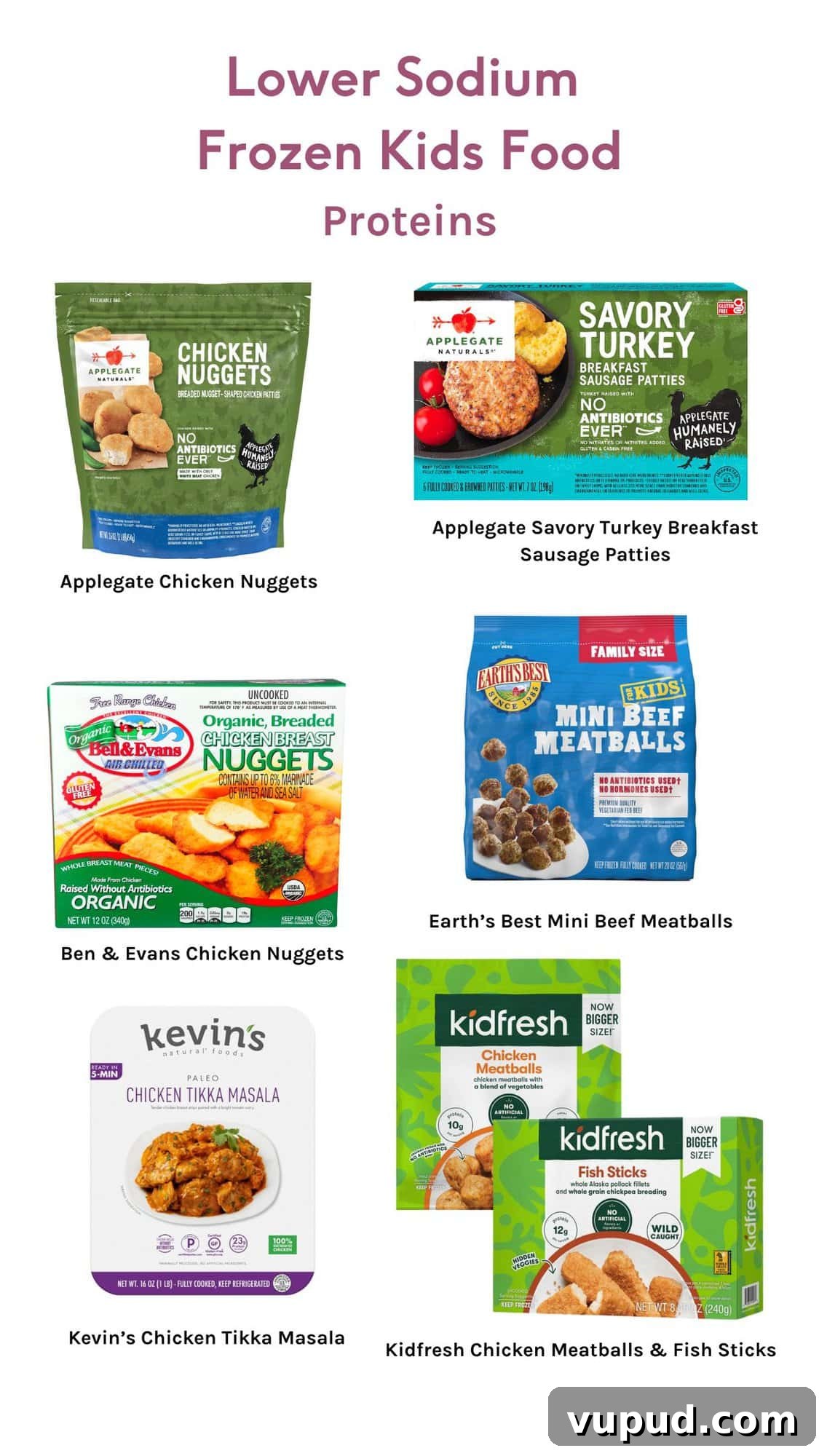
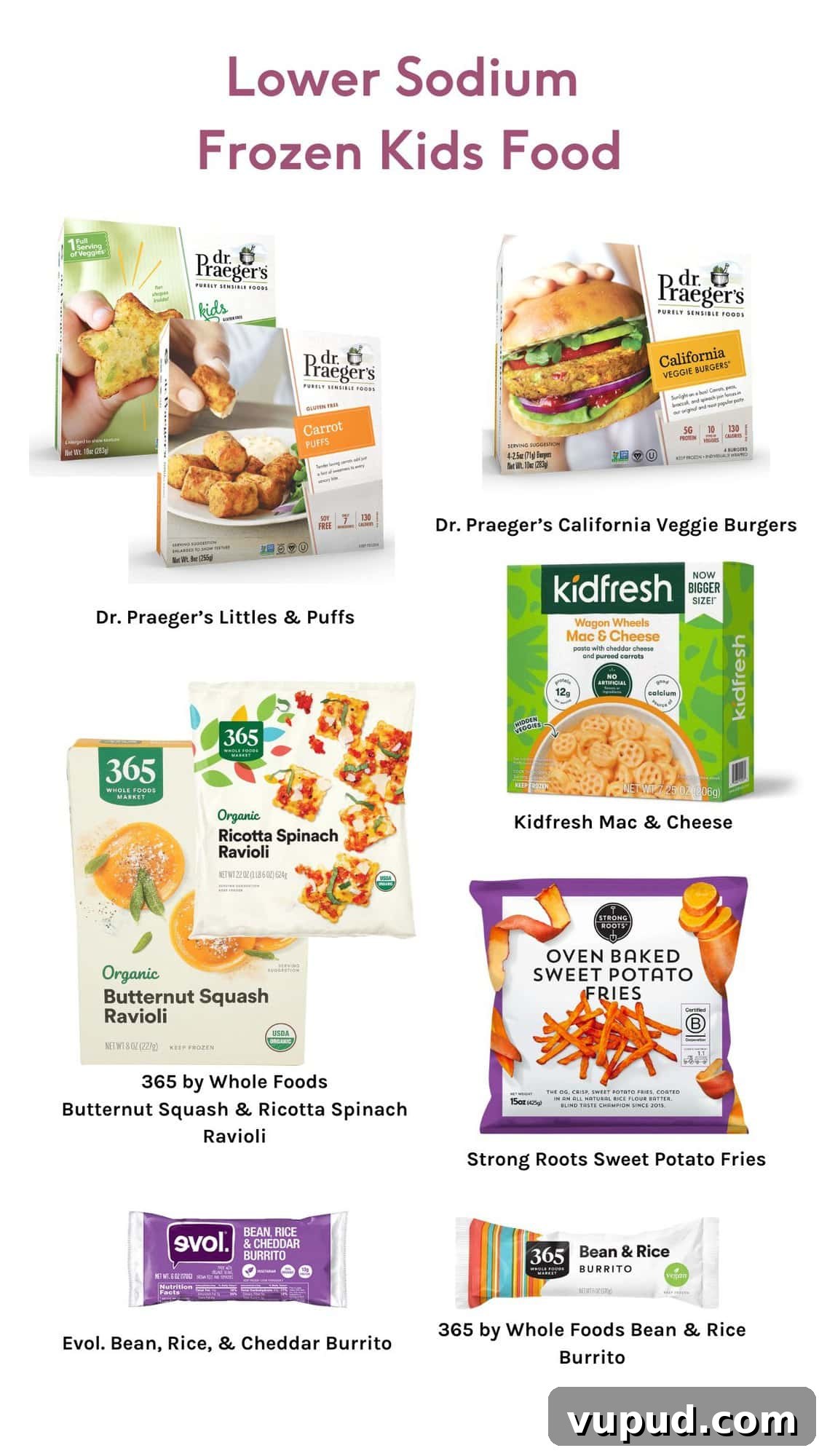
Lower-sodium frozen foods
Frozen foods can be a helpful shortcut—look for options under 500 mg per serving. Brands that often offer lower-sodium frozen pizzas, chicken products, and meals can make meal prep easier while keeping sodium reasonable.
Final thoughts on sodium
Sodium isn’t something to fear—it’s a normal part of food and flavor. The goal is awareness: aim to limit frequent high-sodium foods, favor fresh and minimally processed options, read labels, and balance meals across the week. Small changes add up and help set children up for healthier habits in the long run.